

Hey there! As a supplier of HSS circular saw blades, I often get asked about the noise level when using these blades. It's a crucial topic, especially for those who work in noisy environments or are concerned about the well - being of their workers. So, let's dig into it!
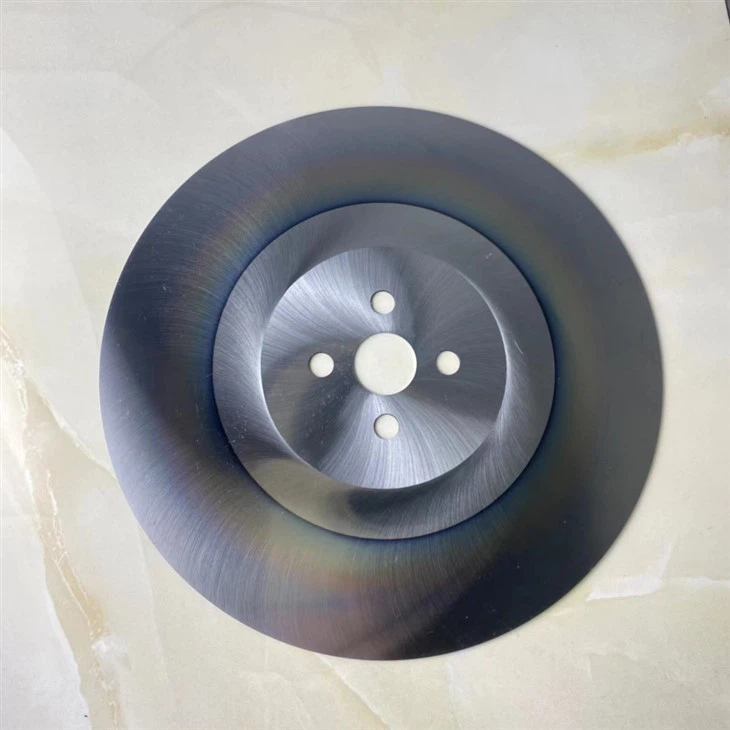
First off, what exactly are HSS circular saw blades? HSS stands for High - Speed Steel. These blades are known for their durability and ability to cut through a variety of materials, including stainless steel. You can check out our High Speed Steel Saw Blades and HSS Circular Saw Blades on our website. And if you're specifically looking for blades to cut stainless steel, we've got Circular Saw Blades for Stainless Steel too.
Now, back to the noise level. The noise generated when using an HSS circular saw blade can vary based on several factors. One of the main factors is the type of material being cut. Different materials have different densities and structures, which affect how the blade interacts with them. For example, cutting through a softwood is going to be a lot quieter than cutting through a thick piece of stainless steel. When the blade has to work harder to penetrate and cut through a dense material, it creates more vibration and, consequently, more noise.

The speed at which the saw is operating also plays a huge role. A higher - speed saw will generally produce more noise. This is because the faster the blade spins, the more air it displaces, and the more force it applies to the material. The interaction between the blade teeth and the material at high speeds can create a high - pitched screeching or a loud humming sound. On the other hand, a slower - speed saw will be relatively quieter, but it might take longer to complete the cut.
The condition of the blade itself is another important factor. A dull blade has to work harder to cut through the material. As it struggles, it vibrates more, and this increased vibration leads to more noise. Regularly sharpening or replacing your HSS circular saw blades can not only improve the quality of your cuts but also reduce the noise level. A sharp blade cuts through the material smoothly, with less resistance and vibration.
The design of the saw and the blade also impacts the noise. Some saws are designed with noise - reducing features, such as anti - vibration mounts or enclosures that help to dampen the sound. Similarly, the design of the blade, including the shape and spacing of the teeth, can affect the noise. Blades with a more optimized tooth design can cut more efficiently and quietly.
So, what kind of noise levels are we talking about? In general, when using an HSS circular saw blade, the noise level can range from around 80 decibels (dB) to over 100 dB. To put this into perspective, normal conversation is around 60 dB. A lawnmower typically operates at about 90 dB, and prolonged exposure to noise levels above 85 dB can start to cause hearing damage.
At the lower end of the range (around 80 dB), you might experience a relatively mild, steady hum. This could be the case when cutting a soft material at a moderate speed with a sharp blade. However, when cutting a hard material like stainless steel at a high speed with a dull blade, the noise level can easily reach over 100 dB. This is a very loud noise, similar to the sound of a jackhammer or a chainsaw.
It's important to take precautions when working with noisy tools like HSS circular saws. Wearing hearing protection, such as earplugs or earmuffs, is a must. This can significantly reduce the risk of hearing damage. Also, if possible, try to operate the saw in a well - ventilated area or an area with some sound - absorbing materials, like a room with thick walls or acoustic panels.
In a workplace setting, employers should also consider the overall noise environment. If multiple saws are being used simultaneously, the combined noise level can be extremely high. Implementing noise - control measures, such as installing noise barriers or scheduling work in a way that reduces the number of saws operating at the same time, can help to create a safer and more comfortable working environment.
As a supplier of HSS circular saw blades, we understand the importance of providing high - quality products that not only perform well but also take into account the user's comfort and safety. Our blades are designed to be as efficient as possible, which can help to reduce noise levels. We're constantly researching and developing new blade designs to improve cutting performance and reduce noise.
If you're in the market for HSS circular saw blades, whether you're a professional tradesperson or a DIY enthusiast, we've got you covered. Our range of High Speed Steel Saw Blades, HSS Circular Saw Blades, and Circular Saw Blades for Stainless Steel are all made with the highest quality materials and the latest manufacturing techniques.
We're always happy to discuss your specific needs and help you choose the right blade for your project. Whether you're looking for a blade to cut through a particular material or need advice on reducing noise levels, just reach out to us. We're here to assist you in getting the best results with your HSS circular saw blades.
If you have any questions or are interested in purchasing our HSS circular saw blades, don't hesitate to contact us. We look forward to working with you and helping you find the perfect solution for your cutting needs.
References
- Occupational Safety and Health Administration (OSHA) guidelines on noise exposure in the workplace.
- Research studies on the relationship between saw blade design and noise levels.
- Manufacturer's specifications and user manuals for HSS circular saw blades.


