Cold rolled steel sheets are widely used in various industries due to their excellent mechanical properties and smooth surface finish. However, one of the major challenges faced by these sheets is their susceptibility to corrosion. As a leading supplier of cold rolled steel sheets, we understand the importance of enhancing their corrosion resistance to meet the diverse needs of our customers. In this blog, we will explore various coating techniques that can significantly improve the corrosion resistance of cold rolled steel sheets.
Understanding Corrosion in Cold Rolled Steel Sheets
Before delving into the coating methods, it's crucial to understand how corrosion occurs in cold rolled steel sheets. Corrosion is an electrochemical process where the metal reacts with its environment, typically oxygen and moisture, to form metal oxides. In the case of steel, iron reacts with oxygen in the presence of water to form iron oxide, commonly known as rust. This rust not only degrades the appearance of the steel sheets but also weakens their structural integrity over time.
Several factors can accelerate the corrosion process in cold rolled steel sheets, including exposure to harsh environmental conditions, high humidity, and the presence of corrosive chemicals. Therefore, implementing effective corrosion protection measures is essential to extend the service life of these sheets.
Coating Techniques for Corrosion Resistance
1. Zinc Coating (Galvanization)
Zinc coating, also known as galvanization, is one of the most widely used methods to protect cold rolled steel sheets from corrosion. This process involves applying a layer of zinc to the surface of the steel through either hot - dip galvanizing or electro - galvanizing.
- Hot - Dip Galvanizing: In hot - dip galvanizing, the steel sheets are immersed in a bath of molten zinc at a temperature of around 450°C. The zinc reacts with the steel to form a series of zinc - iron alloy layers, followed by a layer of pure zinc on the outer surface. This thick and durable zinc coating provides excellent sacrificial protection to the steel. Zinc is more electrochemically active than steel, so in the presence of an electrolyte (such as water), the zinc corrodes preferentially, protecting the underlying steel from rusting.
- Electro - Galvanizing: Electro - galvanizing is a process where a thin layer of zinc is deposited on the steel surface using an electrolytic cell. The steel sheet acts as the cathode, and a zinc anode is used. When an electric current is applied, zinc ions from the anode are attracted to the steel surface and form a zinc coating. Electro - galvanized coatings are thinner and more uniform compared to hot - dip galvanized coatings, making them suitable for applications where a smooth and aesthetically pleasing finish is required.
2. Organic Coatings
Organic coatings, such as paint and powder coatings, are another effective way to protect cold rolled steel sheets from corrosion. These coatings act as a physical barrier, preventing moisture and oxygen from reaching the steel surface.
- Paint Coatings: Paint coatings can be applied using various methods, including spraying, brushing, or dipping. They come in different types, such as epoxy, polyurethane, and acrylic paints. Epoxy paints are known for their excellent adhesion and chemical resistance, making them suitable for applications in harsh environments. Polyurethane paints offer good weatherability and abrasion resistance, while acrylic paints provide a high - gloss finish and good UV resistance.
- Powder Coatings: Powder coatings are dry, free - flowing powders that are electrostatically applied to the steel surface and then cured in an oven. The electrostatic application ensures an even and uniform coating thickness. Powder coatings offer several advantages over paint coatings, including better durability, environmental friendliness (as they contain no solvents), and a wider range of colors and finishes.
3. Conversion Coatings
Conversion coatings are formed by chemically reacting the steel surface with a specific chemical solution. These coatings modify the surface of the steel to create a more corrosion - resistant layer.

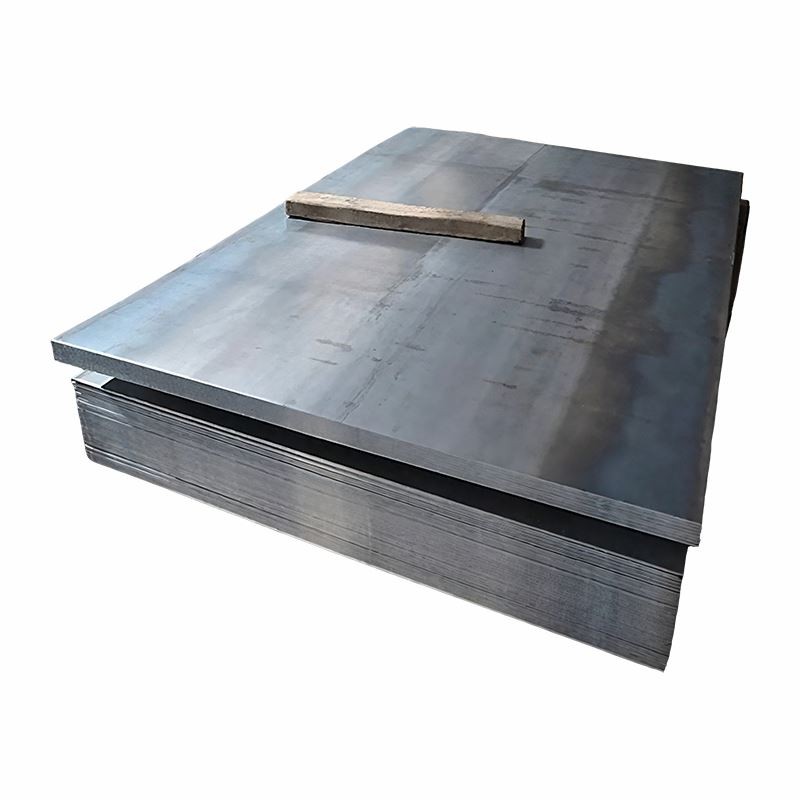
- Phosphate Coatings: Phosphate coatings are commonly used on cold rolled steel sheets. The steel is immersed in a phosphate solution, which reacts with the iron on the surface to form a layer of iron phosphate. Phosphate coatings provide good adhesion for subsequent paint or powder coatings and also offer some degree of corrosion protection on their own. They can improve the corrosion resistance of the steel by creating a barrier between the steel and the environment and by reducing the surface energy of the steel, which helps in the wetting and adhesion of the topcoat.
- Chromate Coatings: Chromate coatings were once widely used for corrosion protection due to their excellent performance. However, due to the environmental and health concerns associated with hexavalent chromium, their use has been restricted in many countries. Trivalent chromium - based conversion coatings are now being developed as a more environmentally friendly alternative. These coatings offer similar corrosion - protection properties to hexavalent chromate coatings.
Factors to Consider When Choosing a Coating
When selecting a coating for cold rolled steel sheets, several factors need to be considered:
- Environmental Conditions: The type of environment in which the steel sheets will be used is a crucial factor. For outdoor applications exposed to harsh weather conditions, such as high humidity, salt spray, or industrial pollutants, a more durable coating like hot - dip galvanizing or a high - performance paint coating may be required. In indoor applications with a relatively mild environment, a thinner and more aesthetically pleasing coating like electro - galvanizing or a powder coating may be sufficient.
- Cost: The cost of the coating process is an important consideration. Hot - dip galvanizing can be more expensive than electro - galvanizing due to the higher energy consumption and the cost of the molten zinc bath. Similarly, high - performance paint or powder coatings may be more costly than basic phosphate coatings. It's important to balance the cost of the coating with the expected service life and performance requirements of the steel sheets.
- Application Requirements: The specific application of the steel sheets also influences the choice of coating. For example, if the sheets will be used in a food - processing industry, a coating that is non - toxic and compliant with food - contact regulations must be selected. If the sheets need to be welded after coating, a coating that does not interfere with the welding process should be chosen.
Our Role as a Cold Rolled Steel Sheets Supplier
As a cold rolled steel sheets supplier, we are committed to providing our customers with high - quality products with enhanced corrosion resistance. We work closely with our customers to understand their specific requirements and recommend the most suitable coating solution.
We have a state - of - the - art production facility where we can apply various coatings to our cold rolled steel sheets. Our team of experts ensures that the coating processes are carried out with the highest level of quality control to guarantee the effectiveness of the corrosion protection. Whether you need High Speed Steel Plate, Hot Rolled Steel Sheets, or M42 High Speed Steel Sheet, we can offer the appropriate coating options to meet your needs.
Contact Us for Procurement and洽谈
If you are interested in purchasing cold rolled steel sheets with improved corrosion resistance, we invite you to contact us. Our sales team is ready to assist you with any questions you may have regarding our products and coating options. We can provide detailed product specifications, samples, and competitive pricing. Let's work together to find the best solution for your specific application.
References
- Uhlig, H. H., & Revie, R. W. (1985). Corrosion and Corrosion Control: An Introduction to Corrosion Science and Engineering. Wiley.
- Feliu, S., & Andrade, C. (2008). Atmospheric Corrosion of Metals. Elsevier.
- Payer, J. H. (2003). Pipeline Corrosion: Prevention and Control. NACE International.