

What are the differences between special shaped steel for high - rise and low - rise buildings?
As a supplier of special shaped steel, I've witnessed firsthand the distinct requirements that high - rise and low - rise buildings impose on the steel they use. Special shaped steel plays a crucial role in the construction industry, providing the necessary strength, durability, and flexibility for various building designs. In this blog, I'll explore the key differences between special shaped steel used in high - rise and low - rise buildings.
Structural Requirements
High - rise buildings face much more complex and demanding structural challenges compared to low - rise ones. High - rises are constantly subjected to strong wind forces, seismic activities, and their own massive self - weight. Therefore, the special shaped steel for high - rise buildings needs to have extremely high strength and stiffness.
For example, in earthquake - prone areas, high - rise buildings must be able to withstand lateral forces during an earthquake. Special shaped steel with excellent ductility is often selected. Ductile steel can deform plastically under high stress without sudden fracture, which helps the building dissipate seismic energy. On the other hand, low - rise buildings, which are generally less affected by wind and seismic forces, can use special shaped steel with relatively lower strength and stiffness requirements. The structural loads they bear are mainly vertical loads from the building's own weight and the weight of its contents.
Design Flexibility
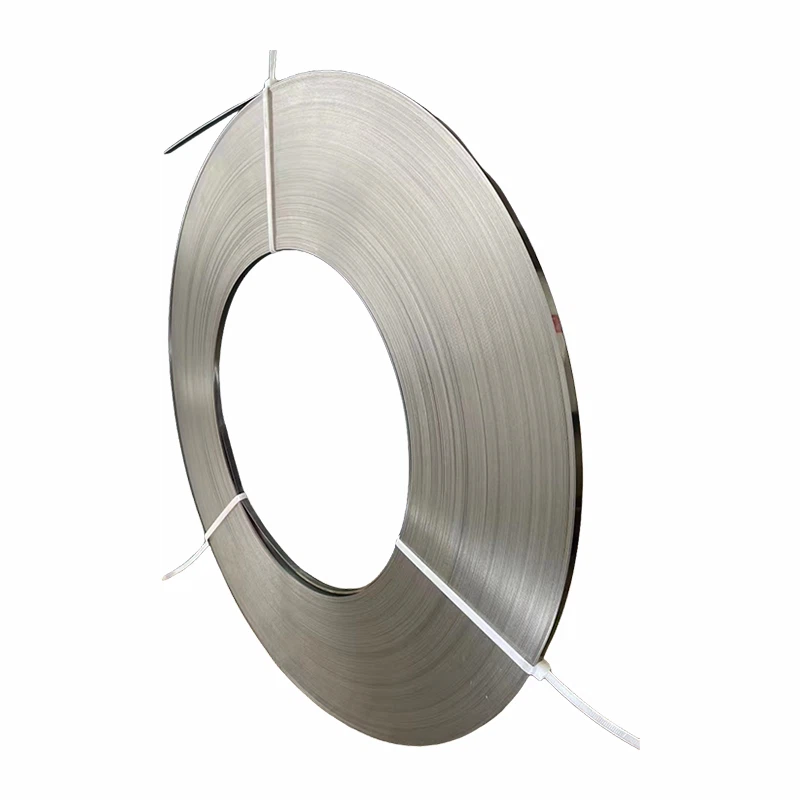
High - rise buildings often feature complex and innovative architectural designs. To achieve these unique shapes and functions, special shaped steel for high - rises needs to offer greater design flexibility. Manufacturers may produce custom - made special shaped steel to fit the specific design requirements of high - rise projects. For instance, some high - rise buildings have curved facades or irregular floor plans. Special shaped steel such as HSS Straight Strips can be bent and shaped to match these complex geometries.
In contrast, low - rise buildings usually have more straightforward and traditional designs. The special shaped steel used in low - rise construction can be more standardized. Common shapes like I - beams and C - channels are often sufficient to meet the structural and design needs of low - rise buildings. The demand for highly customized special shaped steel is relatively low in low - rise construction.
Fire Resistance
Fire safety is a critical concern in both high - rise and low - rise buildings, but high - rises face more stringent requirements. In the event of a fire, high - rise buildings need to maintain their structural integrity for a longer period to allow for the safe evacuation of occupants. Special shaped steel for high - rise buildings is often treated with fire - resistant coatings or made from fire - resistant alloys. These measures can significantly increase the time it takes for the steel to lose its strength under high - temperature conditions.
Low - rise buildings, with their shorter evacuation times and less complex evacuation routes, may have less strict fire - resistance requirements for the special shaped steel. However, basic fire - safety standards still need to be met, and some form of fire protection for the steel is usually applied.
Cost Considerations
The cost of special shaped steel is an important factor in both high - rise and low - rise construction. High - rise buildings typically require larger quantities of high - quality special shaped steel due to their size and the demanding structural requirements. The cost of producing special shaped steel with high strength, ductility, and fire - resistance can be relatively high. Additionally, the cost of custom - made special shaped steel for complex high - rise designs further adds to the overall expense.
Low - rise buildings, on the other hand, can often use more standard and less expensive special shaped steel. The lower strength and simpler design requirements result in lower material costs. Moreover, the smaller quantity of steel needed for low - rise construction also helps to reduce the overall cost.
Corrosion Resistance
High - rise buildings are often exposed to more severe environmental conditions due to their height. They are more likely to be affected by factors such as wind - driven rain, pollutants in the air, and salt spray in coastal areas. Special shaped steel for high - rise buildings needs to have better corrosion resistance to ensure its long - term durability. Galvanized steel or steel with anti - corrosion coatings is commonly used in high - rise construction.
Low - rise buildings, especially those in less harsh environments, may not require the same level of corrosion resistance. However, in areas with high humidity or corrosive substances in the air, appropriate corrosion protection measures should still be taken for the special shaped steel used in low - rise buildings.
Connection and Fabrication
The connection and fabrication of special shaped steel are also different for high - rise and low - rise buildings. High - rise buildings require more precise and reliable connections between steel members to ensure the overall structural stability. Advanced welding and bolting techniques are often used, and strict quality control measures are implemented during the fabrication process.
In low - rise buildings, the connection requirements are relatively less stringent. Simpler connection methods can be used, and the fabrication process may be less complex. This is mainly because the structural loads and the consequences of connection failure are less severe in low - rise buildings.
Types of Special Shaped Steel Used
In high - rise construction, various types of special shaped steel are commonly used. Hot Rolled COIL can be processed into different shapes and sizes to meet the specific needs of high - rise projects. HSS BAR is also popular due to its high strength and good ductility. These types of special shaped steel can be used for columns, beams, and other structural components in high - rise buildings.
In low - rise construction, standard I - beams, C - channels, and angle irons are frequently used. These types of steel are readily available, easy to fabricate, and cost - effective, making them suitable for the relatively simple structural requirements of low - rise buildings.

Conclusion
In conclusion, the differences between special shaped steel for high - rise and low - rise buildings are significant and are mainly driven by the varying structural, design, safety, and cost requirements of these two types of buildings. As a special shaped steel supplier, I understand the unique needs of both high - rise and low - rise construction projects. Whether you are working on a towering high - rise or a charming low - rise building, I can provide you with the appropriate special shaped steel solutions.
If you are interested in purchasing special shaped steel for your construction project, I invite you to contact me for a detailed discussion. We can explore the best options based on your specific requirements and budget. Let's work together to build structures that are not only safe and durable but also meet your aesthetic and functional needs.
References
- "Structural Steel Design for High - Rise Buildings" by A. S. Nowak
- "Low - Rise Building Design and Construction" by J. K. Wight
- Industry reports on special shaped steel manufacturing and construction applications.


