

What is the hardness of cold rolled steel sheets?
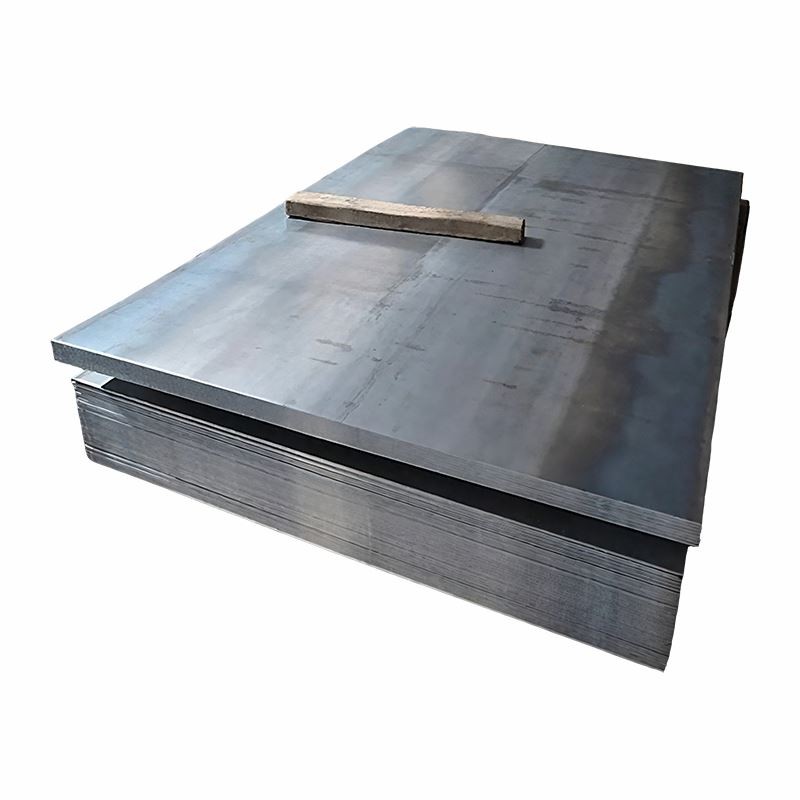
As a dedicated supplier of Cold Rolled Steel Sheets, I often encounter inquiries about the hardness of these versatile materials. Understanding the hardness of cold rolled steel sheets is crucial for various applications, from automotive manufacturing to construction and beyond. In this blog post, I will delve into the concept of hardness in cold rolled steel sheets, exploring the factors that influence it and its significance in different industries.
Defining Hardness in Cold Rolled Steel Sheets
Hardness is a fundamental property of materials that refers to their resistance to deformation, indentation, or scratching. In the context of cold rolled steel sheets, hardness is a measure of how well the material can withstand external forces without undergoing permanent changes in shape or structure. It is typically determined through standardized testing methods, such as the Rockwell, Brinell, or Vickers hardness tests.
The hardness of cold rolled steel sheets is influenced by several factors, including the chemical composition of the steel, the rolling process, and any subsequent heat treatment or surface finishing. Let's take a closer look at each of these factors and how they contribute to the overall hardness of the material.
Chemical Composition
The chemical composition of cold rolled steel sheets plays a significant role in determining their hardness. Steel is primarily composed of iron and carbon, with small amounts of other elements such as manganese, silicon, sulfur, and phosphorus. The carbon content, in particular, has a profound effect on the hardness of the steel.
Higher carbon content generally results in increased hardness and strength, as carbon atoms form hard carbide particles within the steel matrix. However, excessive carbon content can also make the steel brittle and prone to cracking. Therefore, the carbon content in cold rolled steel sheets is carefully controlled to achieve the desired balance between hardness and ductility.
In addition to carbon, other alloying elements can be added to the steel to enhance its hardness and other properties. For example, manganese can improve the strength and hardenability of the steel, while chromium can increase its corrosion resistance. By carefully selecting the appropriate alloying elements and their proportions, steel manufacturers can tailor the hardness and other properties of cold rolled steel sheets to meet the specific requirements of different applications.
Rolling Process
The rolling process used to produce cold rolled steel sheets also has a significant impact on their hardness. Cold rolling involves passing the steel through a series of rollers at room temperature, which reduces the thickness of the sheet and increases its density. This process also work-hardens the steel, which means that it becomes harder and stronger as a result of the deformation.
During cold rolling, the steel grains are elongated and aligned in the direction of rolling, which creates a more uniform and dense structure. This alignment of the grains increases the resistance of the steel to deformation and improves its hardness. The degree of work-hardening depends on several factors, including the reduction in thickness, the number of passes through the rollers, and the rolling speed.
In general, the greater the reduction in thickness during cold rolling, the higher the degree of work-hardening and the harder the steel becomes. However, excessive work-hardening can also make the steel brittle and difficult to form. Therefore, the rolling process is carefully controlled to achieve the desired balance between hardness and formability.
Heat Treatment
Heat treatment is another important factor that can affect the hardness of cold rolled steel sheets. Heat treatment involves heating the steel to a specific temperature and then cooling it at a controlled rate to achieve the desired microstructure and properties. There are several different types of heat treatment processes, including annealing, quenching, and tempering.
Annealing is a heat treatment process that involves heating the steel to a high temperature and then cooling it slowly to relieve internal stresses and improve its ductility. This process can also reduce the hardness of the steel, making it easier to form and machine.

Quenching is a heat treatment process that involves heating the steel to a high temperature and then cooling it rapidly by immersing it in a quenching medium, such as water or oil. This process can significantly increase the hardness of the steel by forming a hard martensitic microstructure. However, quenching can also make the steel brittle and prone to cracking, so it is often followed by tempering.
Tempering is a heat treatment process that involves heating the quenched steel to a lower temperature and then cooling it slowly to reduce its brittleness and improve its toughness. This process can also adjust the hardness of the steel to a desired level, depending on the specific requirements of the application.
Significance of Hardness in Different Industries
The hardness of cold rolled steel sheets is an important property that has significant implications for various industries. Let's take a look at some of the key industries where the hardness of cold rolled steel sheets plays a crucial role.
Automotive Industry
In the automotive industry, cold rolled steel sheets are widely used for the production of body panels, structural components, and other parts. The hardness of these sheets is critical for ensuring the safety and durability of the vehicles. Harder steel sheets can provide better resistance to impact and deformation, which can help to protect the passengers in the event of a collision.
In addition, the hardness of cold rolled steel sheets can also affect the formability and weldability of the material. Softer steel sheets are generally easier to form and weld, which can reduce the manufacturing costs and improve the efficiency of the production process. However, harder steel sheets may be required for certain applications where high strength and durability are essential.
Construction Industry
In the construction industry, cold rolled steel sheets are used for a variety of applications, including roofing, siding, and structural framing. The hardness of these sheets is important for ensuring the structural integrity and longevity of the buildings. Harder steel sheets can provide better resistance to corrosion, weathering, and mechanical damage, which can help to extend the lifespan of the structures.
In addition, the hardness of cold rolled steel sheets can also affect their fire resistance. Harder steel sheets can withstand higher temperatures without losing their strength and integrity, which can provide better protection in the event of a fire.
Manufacturing Industry
In the manufacturing industry, cold rolled steel sheets are used for the production of a wide range of products, including appliances, furniture, and machinery. The hardness of these sheets is critical for ensuring the quality and performance of the products. Harder steel sheets can provide better resistance to wear and tear, which can help to extend the lifespan of the products.
In addition, the hardness of cold rolled steel sheets can also affect their machinability and surface finish. Softer steel sheets are generally easier to machine and can provide a smoother surface finish, which can improve the aesthetic appeal of the products. However, harder steel sheets may be required for certain applications where high strength and durability are essential.
Conclusion
In conclusion, the hardness of cold rolled steel sheets is a complex property that is influenced by several factors, including the chemical composition, the rolling process, and any subsequent heat treatment or surface finishing. Understanding the hardness of cold rolled steel sheets is crucial for various applications, from automotive manufacturing to construction and beyond.
As a supplier of Cold Rolled Steel Sheets, I am committed to providing high-quality products that meet the specific requirements of my customers. Whether you need cold rolled steel sheets with a specific hardness level or other properties, I can work with you to find the right solution for your application.
If you are interested in learning more about the hardness of cold rolled steel sheets or would like to discuss your specific requirements, please feel free to contact me. I would be happy to answer your questions and provide you with more information about our products and services.
References
- ASM Handbook, Volume 1: Properties and Selection: Irons, Steels, and High-Performance Alloys. ASM International, 1990.
- Callister, William D., Jr. Materials Science and Engineering: An Introduction. John Wiley & Sons, 2007.
- Dieter, George E. Mechanical Metallurgy. McGraw-Hill, 1986.


