

Hey there! I'm a supplier of HSS circular saw blades, and today I wanna chat about the environmental impacts of using these bad boys.
First off, let's talk about what HSS circular saw blades are. HSS stands for High Speed Steel, and these saw blades are super popular in metal cutting and other industrial applications. You can check out more about them here: High Speed Steel Saw Blades. They're known for their durability and ability to cut through tough materials at high speeds. But like anything, they come with their own set of environmental pros and cons.
Raw Material Extraction and Production
The production of HSS circular saw blades starts with the extraction of raw materials. High-speed steel is made up of several elements like tungsten, molybdenum, chromium, and vanadium. Mining these metals has a significant environmental impact. For one, it often involves large - scale excavation, which can lead to deforestation and habitat destruction. Mines can disrupt entire ecosystems, displacing wildlife and causing soil erosion.
During the extraction process, a lot of energy is consumed. Heavy machinery is used to dig, transport, and process the ores. This energy usually comes from fossil fuels, which contribute to greenhouse gas emissions. And let's not forget about the water pollution. Mining operations can release heavy metals and other contaminants into nearby water sources, affecting aquatic life and the quality of drinking water for local communities.
Once the raw materials are extracted, they are refined and then made into high - speed steel. The manufacturing process of HSS is energy - intensive. Furnaces are used to melt and alloy the metals at extremely high temperatures. This requires a large amount of electricity, which again often comes from non - renewable energy sources. The emissions from these furnaces can include particulate matter, sulfur dioxide, and nitrogen oxides, all of which contribute to air pollution and can have negative health effects on humans and the environment.
Usage Phase
When it comes to using HSS circular saw blades, there are also some environmental factors to consider. One of the main things is the generation of waste. During the cutting process, metal chips and dust are produced. These waste materials can be a nuisance if not properly managed. Metal dust can be inhaled by workers, leading to health problems such as lung diseases. And if the waste isn't recycled, it ends up in landfills, taking up space and potentially leaching harmful substances into the soil over time.
Another aspect is the use of cutting fluids. Many metal - cutting operations with HSS circular saw blades rely on cutting fluids to cool the blade and the workpiece, reduce friction, and improve the quality of the cut. These cutting fluids are often petroleum - based, which means they are derived from non - renewable resources. Moreover, when these fluids are disposed of, they can contaminate soil and water if not treated properly.
However, there are also some positive aspects during the usage phase. HSS circular saw blades are very efficient at cutting. They can cut through materials quickly, which means less energy is consumed compared to some other cutting methods. For example, if you're using a less efficient blade, you might have to run the saw for a longer time to make the same cut, which would use more electricity. You can find high - quality HSS circular saw blades for metal cutting here: Hss Circular Saw Blades for Metal Cutting.
End - of - Life
When an HSS circular saw blade reaches the end of its useful life, what happens to it? Well, if it's not recycled, it's just another piece of waste. But the good news is that high - speed steel is recyclable. Recycling HSS circular saw blades can significantly reduce the environmental impact. It takes less energy to recycle steel than to produce it from scratch. By recycling, we can conserve natural resources and reduce the amount of waste going to landfills.

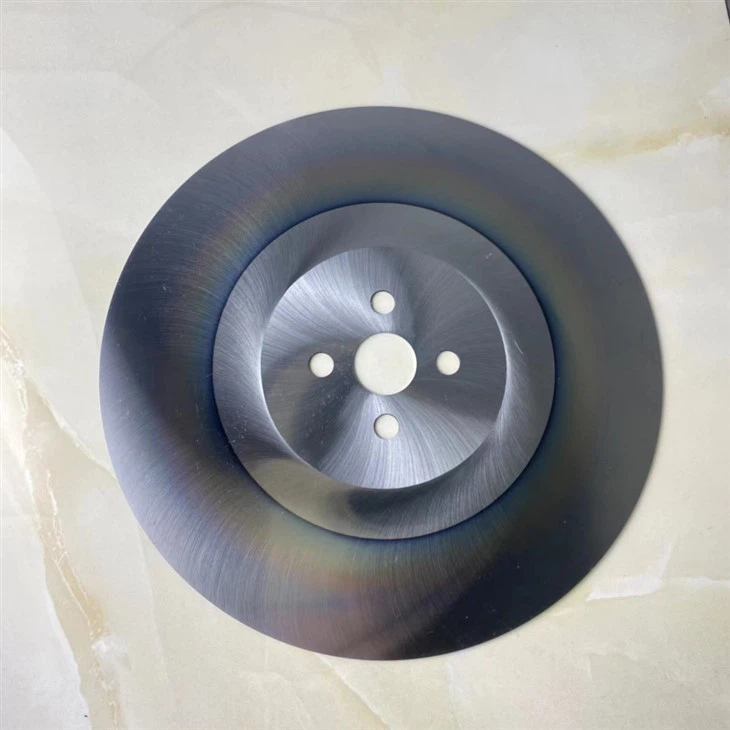
However, the recycling process isn't always perfect. There are challenges in separating the different metals in the high - speed steel alloy. And sometimes, the cost of recycling can be high, which might discourage some companies from doing it. But as a supplier, I encourage all my customers to recycle their used blades. You can learn more about HSS circular saw blades in general here: HSS Circular Saw Blades.
Mitigating the Environmental Impact
As a supplier, I'm always looking for ways to reduce the environmental impact of our HSS circular saw blades. One thing we're doing is promoting the use of more sustainable cutting fluids. There are now water - based and bio - based cutting fluids available that are less harmful to the environment. These fluids are biodegradable and don't rely on petroleum.
We're also working on improving the design of our saw blades to make them more durable. A longer - lasting blade means less frequent replacement, which in turn reduces the amount of raw materials needed for production. And we're actively encouraging our customers to recycle their used blades by providing information on local recycling facilities.
Conclusion
So, using HSS circular saw blades has both positive and negative environmental impacts. On one hand, the production and extraction of raw materials can be pretty hard on the environment. But on the other hand, their efficiency during the usage phase and the possibility of recycling at the end - of - life are pluses.
If you're in the market for high - quality HSS circular saw blades, I'd love to have a chat with you. Whether you're looking to cut metal for a small DIY project or for large - scale industrial applications, we've got the right blades for you. Let's work together to balance the need for efficient cutting with environmental responsibility.
References
- "Environmental Impacts of Metal Mining and Sustainability Issues" - Journal of Environmental Management
- "Recycling of High - Speed Steel: A Review" - International Journal of Recycling of Materials


