

M42 high speed steel sheet is a remarkable material widely used in various industries due to its excellent combination of high hardness, wear resistance, and thermal stability. Understanding the grain size of M42 high speed steel sheet is crucial for both manufacturers and end - users as it significantly impacts the material's mechanical properties and performance.
What is Grain Size?
Grain size refers to the average size of the individual crystalline grains that make up a metal or alloy. In the context of M42 high speed steel sheet, these grains are microscopic in nature. The formation of grains occurs during the solidification process of the steel. As the molten metal cools, crystals start to form at nucleation sites and grow until they meet other growing crystals. The size of these grains can be influenced by several factors, such as the cooling rate, alloy composition, and heat treatment processes.
Importance of Grain Size in M42 High Speed Steel Sheet
The grain size of M42 high speed steel sheet has a profound impact on its mechanical and physical properties.
- Hardness: Generally, a finer grain size leads to higher hardness. In M42 high speed steel, fine - grained structures have more grain boundaries. These boundaries act as barriers to the movement of dislocations (defects in the crystal structure), and thus more energy is required to deform the material. This results in increased hardness, which is essential for applications where the material needs to resist abrasion and cutting.
- Toughness: While hardness is important, toughness is also a critical property, especially in applications subjected to shock or impact loading. An intermediate grain size is often desired to achieve an optimal balance between hardness and toughness. A very fine - grained structure may be too brittle, while a coarse - grained structure may lack sufficient hardness.
- Wear Resistance: Fine - grained M42 high speed steel sheets exhibit better wear resistance. The increased number of grain boundaries helps to impede the propagation of cracks and also provides more sites for the precipitation of hard carbides, which contribute to wear resistance.
- Machinability: The grain size can also influence the machinability of the M42 high speed steel sheet. Coarser grains may lead to a more brittle chip formation, while finer grains can result in a more continuous and manageable chip. However, overly fine grains may increase the cutting forces and reduce tool life.
Factors Affecting Grain Size of M42 High Speed Steel Sheet
Cooling Rate
The cooling rate during the solidification of the steel is one of the most significant factors affecting grain size. A faster cooling rate leads to a larger number of nucleation sites and less time for the grains to grow, resulting in a finer grain size. In contrast, a slower cooling rate allows the grains more time to grow, leading to a coarser grain structure.
Alloy Composition
M42 high speed steel is an alloy containing elements such as tungsten, molybdenum, chromium, vanadium, and cobalt. These alloying elements can affect the grain size in different ways. For example, vanadium has a strong tendency to form fine carbides, which can act as nucleation sites and promote the formation of a finer grain structure. Cobalt, on the other hand, can increase the solubility of other elements in the steel matrix and influence the growth rate of the grains.
Heat Treatment
Heat treatment processes, such as annealing, quenching, and tempering, can significantly alter the grain size of M42 high speed steel sheet. Annealing is a process of heating the steel to a specific temperature and then cooling it slowly. This can be used to reduce internal stresses and adjust the grain size. Quenching involves rapidly cooling the steel from a high temperature, which can refine the grain structure and increase hardness. Tempering is usually carried out after quenching to reduce brittleness and further optimize the mechanical properties, and it can also have an impact on the grain size.
Measuring the Grain Size of M42 High Speed Steel Sheet
There are several methods for measuring the grain size of M42 high speed steel sheet.
- Microscopic Methods: One of the most common methods is to use a metallurgical microscope. A sample of the M42 high speed steel sheet is polished and etched to reveal the grain boundaries. Then, under the microscope, the grains can be observed and measured. The grain size can be determined by using standard methods, such as the comparison method or the intercept method. In the comparison method, the observed grain structure is compared with a standard set of grain - size charts. In the intercept method, the number of grain boundaries intercepted by a straight line of a known length is counted, and the grain size is calculated based on this value.
- X - Ray Diffraction: X - ray diffraction can also be used to analyze the grain size of M42 high speed steel sheet. By analyzing the width of the X - ray diffraction peaks, information about the crystal structure and grain size can be obtained. This method is non - destructive and can provide more detailed information about the internal structure of the material.
Typical Grain Size Range of M42 High Speed Steel Sheet
The typical grain size of M42 high speed steel sheet can vary depending on the manufacturing process and application requirements. Generally, the grain size can range from a few micrometers to tens of micrometers. For applications that require high hardness and wear resistance, such as cutting tools, a finer grain size in the range of 2 - 10 micrometers is often preferred. For applications where toughness is more important, a slightly coarser grain size may be acceptable.
Our Offerings as a M42 High Speed Steel Sheet Supplier
As a reliable supplier of M42 high speed steel sheet, we are committed to providing high - quality products with precise control over the grain size. We have advanced manufacturing processes that allow us to adjust the grain size according to the specific needs of our customers.
Our M42 high speed steel sheets are suitable for a wide range of applications. For example, in the tool - making industry, they can be used to manufacture drills, end mills, and taps. In the automotive and aerospace industries, they are used in components that require high strength and wear resistance.
We also offer comprehensive technical support to our customers. Our team of experts can provide advice on the selection of the appropriate grain size based on the specific application, as well as guidance on heat treatment and machining processes.
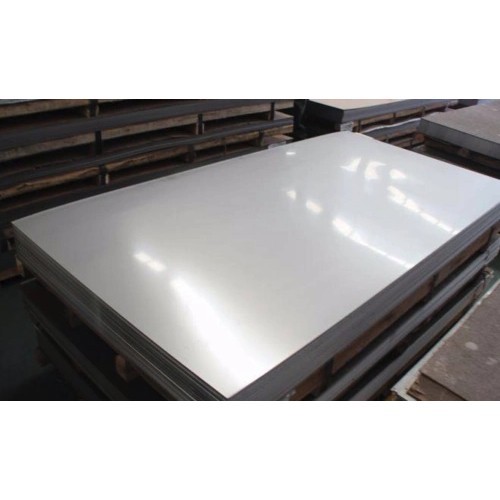
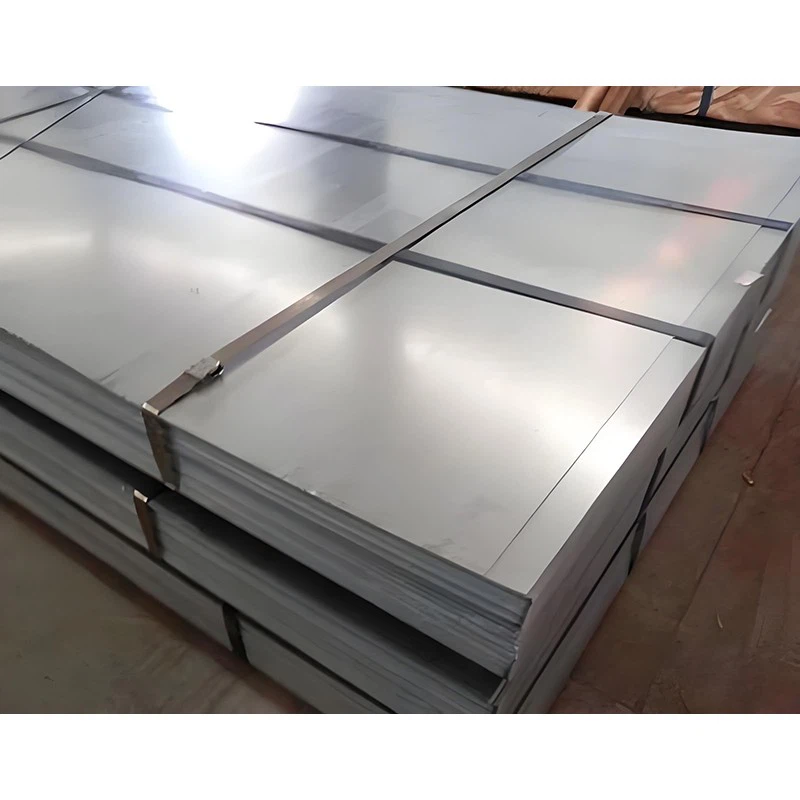
If you are looking for other related products, you can also explore our High Speed Steel Plate, Special Steel Sheet and SKH51 Steel Plate, which may meet your different needs.
Contact Us for Purchase and Consultation
If you are interested in our M42 high speed steel sheet products, or if you have any questions regarding grain size, mechanical properties, or application requirements, please feel free to contact us. We are more than happy to engage in discussions with you to help you find the most suitable solutions for your projects. Our professional team is ready to provide you with detailed product information, quotations, and technical support.
References
- ASM Handbook Committee, "ASM Handbook: Volume 9, Metallography and Microstructures", ASM International, 2004.
- George E. Totten, "Steel Heat Treatment: Metallurgy and Technology", CRC Press, 2006.


