

Hey there! I'm a supplier of M2 High Speed Steel Plate, and I often get asked about what grinding wheels are suitable for this type of steel. So, I thought I'd share some insights on this topic.
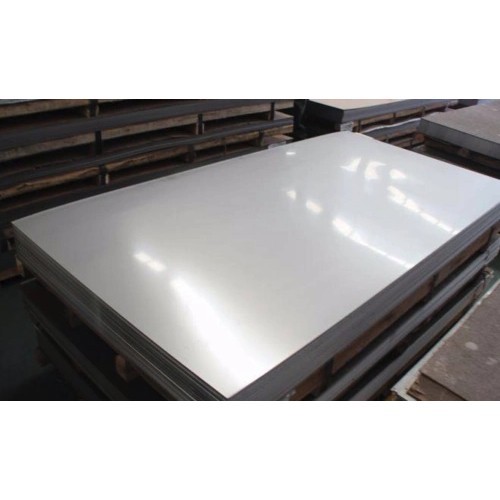
First off, let's talk a bit about M2 High Speed Steel Plate. M2 high - speed steel is a widely used grade in the industry. It's known for its excellent hardness, wear resistance, and high - temperature performance. These properties make it ideal for applications like cutting tools, drills, and milling cutters. If you're interested in other types of steel plates, you can check out Special Steel Sheet, SKH51 Steel Plate, or High Speed Steel Plate.
Now, when it comes to grinding M2 High Speed Steel Plate, choosing the right grinding wheel is crucial. The wrong wheel can lead to poor surface finish, overheating, and even damage to the steel plate.

Aluminum Oxide Grinding Wheels
Aluminum oxide grinding wheels are a popular choice for grinding M2 High Speed Steel Plate. They are made from aluminum oxide grains, which are hard and durable. These wheels work well because the aluminum oxide grains can withstand the high temperatures generated during the grinding process.
One of the advantages of using aluminum oxide grinding wheels is their self - sharpening ability. As the wheel wears, new sharp edges are exposed, which helps maintain a consistent cutting performance. They are also relatively inexpensive compared to some other types of grinding wheels.
However, there are some downsides. Aluminum oxide wheels may not be the best choice if you need a very fine surface finish. They can sometimes leave a rough surface on the steel plate, especially if the grinding pressure is too high.
Silicon Carbide Grinding Wheels
Silicon carbide grinding wheels are another option. They are harder than aluminum oxide wheels and are better at grinding hard and brittle materials. For M2 High Speed Steel Plate, silicon carbide wheels can be used for rough grinding operations.
The high hardness of silicon carbide allows it to cut through the steel plate quickly. But silicon carbide wheels are more brittle than aluminum oxide wheels, which means they can break more easily if the grinding conditions are not right. Also, they generate more heat during grinding, which can cause thermal damage to the M2 steel plate if not properly controlled.
Cubic Boron Nitride (CBN) Grinding Wheels
Cubic Boron Nitride (CBN) grinding wheels are a high - performance option for grinding M2 High Speed Steel Plate. CBN is extremely hard, second only to diamond. These wheels offer several benefits.
They can achieve a very fine surface finish, which is great for applications where precision is key. CBN wheels also have a long service life, which means you don't have to replace them as often. They are more efficient at removing material compared to aluminum oxide and silicon carbide wheels, which can save you time and money in the long run.
However, CBN grinding wheels are quite expensive. They are usually reserved for high - end applications where the quality of the finish and the efficiency of the grinding process are of utmost importance.
Diamond Grinding Wheels
Diamond grinding wheels are the hardest and most expensive option. They are made with diamond particles, which are the hardest known material. Diamond wheels are excellent for grinding M2 High Speed Steel Plate when you need a very high - precision finish.
They can grind the steel plate with a very fine tolerance, making them suitable for applications like tool manufacturing. But just like CBN wheels, diamond wheels are costly. They also require special handling and maintenance to ensure their long - term performance.
Factors to Consider When Choosing a Grinding Wheel
When choosing a grinding wheel for M2 High Speed Steel Plate, there are several factors you need to take into account:
Grinding Operation
The type of grinding operation you're performing matters. If it's a rough grinding operation to remove a large amount of material quickly, you might choose a silicon carbide or aluminum oxide wheel. For finishing operations where a smooth surface finish is required, CBN or diamond wheels would be a better choice.
Surface Finish Requirements
If you need a very smooth surface finish on the M2 steel plate, you should lean towards CBN or diamond wheels. Aluminum oxide wheels can give a decent finish but may not be as smooth as the other two.
Cost
Cost is always a factor. If you're on a tight budget, aluminum oxide wheels are a cost - effective option. But if you can afford it and need high - quality results, investing in CBN or diamond wheels might be worth it.
Grinding Machine
The type of grinding machine you're using also affects the choice of the grinding wheel. Some machines are better suited for certain types of wheels. For example, a high - speed grinding machine may work better with CBN or diamond wheels, while a low - speed machine might be more compatible with aluminum oxide or silicon carbide wheels.
Tips for Grinding M2 High Speed Steel Plate
Here are some tips to get the best results when grinding M2 High Speed Steel Plate, no matter which grinding wheel you choose:
- Control the Grinding Pressure: Applying too much pressure can cause overheating and damage to the steel plate. Use a light and consistent pressure during the grinding process.
- Coolant Usage: Using a coolant is essential to prevent overheating. Coolants can reduce the temperature of the grinding wheel and the steel plate, which helps improve the surface finish and prevent thermal damage.
- Dressing the Grinding Wheel: Regularly dressing the grinding wheel is important to maintain its cutting performance. Dressing removes the dull grains and exposes new sharp edges.
In conclusion, choosing the right grinding wheel for M2 High Speed Steel Plate depends on your specific requirements. Whether you're looking for a cost - effective solution for rough grinding or a high - precision finish for a high - end application, there's a grinding wheel out there for you.
If you're in the market for M2 High Speed Steel Plate or have any questions about grinding it, feel free to reach out. We're here to help you find the best solutions for your needs.
References
- "Grinding Technology: Theory and Applications of Machining with Abrasives" by Stephen Malkin
- "Handbook of Machining with Grinding Wheels" by Paul R. Blau


