

The rolling temperature is a critical parameter in the production of hot rolled steel sheets, significantly influencing their mechanical and physical properties. As a leading supplier of Hot Rolled Steel Sheets, I have witnessed firsthand the profound impact of rolling temperature on the final product. In this blog, I will delve into the effects of rolling temperature on the properties of hot rolled steel sheets, exploring how different temperature ranges can alter the microstructure, strength, ductility, and other key characteristics of the steel.
Microstructure Evolution
The microstructure of hot rolled steel sheets is greatly affected by the rolling temperature. At high rolling temperatures, typically above the recrystallization temperature of the steel, dynamic recrystallization occurs during the rolling process. This process involves the formation of new strain - free grains, which replace the deformed grains. As a result, the steel has a fine and uniform grain structure, which is beneficial for improving its mechanical properties.
When the rolling temperature is close to the austenite - ferrite transformation temperature, the phase transformation from austenite to ferrite can be controlled. A lower rolling temperature in this range promotes the formation of a finer ferrite grain size. Finer grains generally lead to higher strength and better toughness of the steel. For example, in the production of high - strength low - alloy (HSLA) steels, precise control of the rolling temperature around the transformation point can result in a complex microstructure consisting of ferrite, bainite, and sometimes martensite, which imparts excellent strength - to - weight ratios.
On the other hand, if the rolling temperature is too high, the grains may grow excessively during the post - rolling cooling process. Coarse grains can reduce the strength and toughness of the steel, making it more prone to brittle fracture. Therefore, maintaining an appropriate rolling temperature is crucial for achieving the desired microstructure and properties of hot rolled steel sheets.
Strength and Hardness
Rolling temperature has a direct impact on the strength and hardness of hot rolled steel sheets. Generally, as the rolling temperature decreases, the strength and hardness of the steel increase. This is mainly due to the following reasons:
Firstly, at lower rolling temperatures, the deformation resistance of the steel is higher. The increased resistance to deformation leads to a greater amount of strain being accumulated in the steel during rolling. This strain hardening effect contributes to an increase in the strength and hardness of the steel. For instance, cold - worked steels, which can be considered as an extreme case of low - temperature deformation, have much higher strength compared to their hot - rolled counterparts.
Secondly, the grain refinement caused by lower rolling temperatures also enhances the strength of the steel. According to the Hall - Petch relationship, the yield strength of a polycrystalline material is inversely proportional to the square root of the grain size. Therefore, a finer grain size resulting from lower rolling temperatures leads to higher yield strength.
However, it is important to note that if the rolling temperature is too low, the steel may become too brittle, and the rolling process may become more difficult due to the high deformation resistance. This can lead to problems such as cracking and surface defects in the steel sheets.
Ductility and Formability
Ductility and formability are important properties for hot rolled steel sheets, especially when they are used in applications that require extensive shaping, such as automotive body panels and construction components. The rolling temperature has an inverse relationship with the ductility and formability of the steel.
At higher rolling temperatures, the steel has better ductility and formability. This is because the high temperature allows for easier movement of dislocations within the crystal lattice of the steel. Dislocation movement is the primary mechanism for plastic deformation in metals. With more mobile dislocations, the steel can undergo larger amounts of plastic deformation without fracturing.
In contrast, lower rolling temperatures reduce the ductility and formability of the steel. As mentioned earlier, lower temperatures lead to strain hardening and grain refinement, which increase the strength of the steel but also make it more difficult to deform plastically. When the steel is too hard and brittle, it may crack or fracture during forming operations.
Surface Quality
The rolling temperature also affects the surface quality of hot rolled steel sheets. At high rolling temperatures, the steel is more likely to react with the oxygen in the air, forming a thick oxide scale on the surface. This oxide scale can cause problems such as surface roughness, poor paint adhesion, and corrosion resistance issues.
On the other hand, if the rolling temperature is too low, the surface of the steel may be subject to cold - working marks and scratches. These surface defects can not only affect the appearance of the steel sheets but also reduce their fatigue life and corrosion resistance. Therefore, an optimal rolling temperature is required to minimize surface defects and ensure good surface quality.
Impact on Different Types of Steel
The effect of rolling temperature can vary depending on the type of steel. For example, in carbon steels, the rolling temperature mainly affects the grain size and the amount of pearlite and ferrite in the microstructure. By controlling the rolling temperature, the proportion of these phases can be adjusted to achieve the desired strength and ductility.
In alloy steels, such as stainless steels and Special Steel Sheet, the presence of alloying elements can interact with the rolling temperature to produce unique microstructures and properties. For instance, in some stainless steels, a specific rolling temperature range is required to promote the formation of austenite, which is essential for the corrosion resistance and formability of the steel.
Comparison with Cold Rolled Steel Sheets
When comparing hot rolled steel sheets with Cold Rolled Steel Sheets, the rolling temperature plays a key role in differentiating their properties. Cold rolled steel sheets are produced at room temperature or slightly above, which results in a much higher level of strain hardening compared to hot rolled steel sheets. Cold rolled steel sheets generally have higher strength and better surface finish but lower ductility and formability.
Hot rolled steel sheets, on the other hand, are produced at elevated temperatures, which allows for easier deformation and the formation of a more uniform microstructure. They are often used in applications where high strength is not the primary requirement, such as in structural components and general - purpose construction.
Conclusion
In conclusion, the rolling temperature has a profound effect on the properties of hot rolled steel sheets. It influences the microstructure, strength, ductility, formability, and surface quality of the steel. As a supplier of hot rolled steel sheets, we understand the importance of precise control of the rolling temperature to meet the diverse needs of our customers.

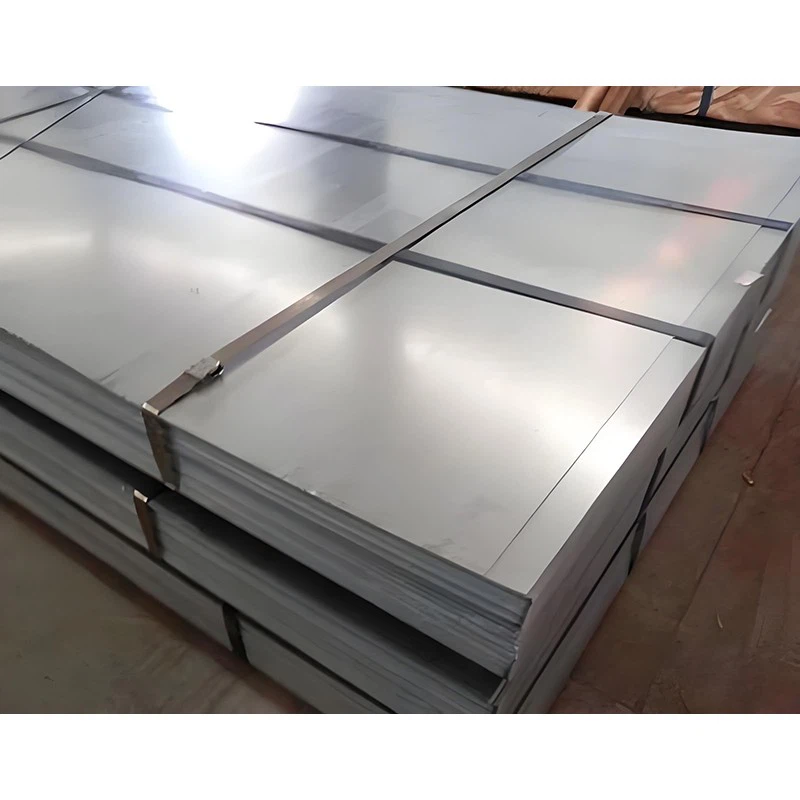
Whether you need steel sheets for automotive, construction, or other industrial applications, we can provide high - quality hot rolled steel sheets with the desired properties. By carefully controlling the rolling temperature during the production process, we ensure that our products have the optimal combination of strength, ductility, and surface quality.
If you are interested in purchasing hot rolled steel sheets or have any questions about our products, please feel free to contact us for further discussion. We are committed to providing you with the best solutions and excellent customer service.
References
- ASM Handbook Committee. ASM Handbook Volume 6: Welding, Brazing, and Soldering. ASM International, 1993.
- Bhadeshia, H. K. D. H., & Honeycombe, R. W. K. Steels: Microstructure and Properties. Elsevier, 2006.
- Totten, G. E., & MacKenzie, D. S. Handbook of Aluminum: Physical Metallurgy and Processes. CRC Press, 2003.


