

Hey there! As a supplier of M2 High Speed Steel Plate, I've had my fair share of questions about how rolling affects its microstructure. So, I thought I'd dive into this topic and share what I've learned.
First off, let's talk a bit about M2 High Speed Steel. It's a super popular choice in the industry because of its excellent combination of hardness, wear resistance, and toughness. It's used in all sorts of applications, from cutting tools to dies.
Now, rolling is a key process in the manufacturing of steel plates. There are two main types of rolling: hot rolling and cold rolling. Each has its own unique effects on the microstructure of M2 High Speed Steel Plate.
Hot Rolling
Hot rolling is done at high temperatures, usually above the recrystallization temperature of the steel. When we hot roll M2 High Speed Steel Plate, several things happen to the microstructure.
One of the most significant changes is the refinement of the grain structure. During hot rolling, the large, as-cast grains are broken down into smaller, more uniform grains. This is because the high temperature allows the atoms in the steel to move around more freely, and the deformation from rolling causes the grains to recrystallize. Smaller grains generally mean better mechanical properties, like increased strength and toughness.
Another effect of hot rolling is the alignment of the carbide particles. M2 High Speed Steel contains a lot of carbide particles, which are hard and contribute to the steel's wear resistance. During hot rolling, these carbide particles get elongated and aligned in the direction of rolling. This alignment can improve the directional properties of the steel, making it stronger and more wear-resistant in the rolling direction.
However, hot rolling also has some potential drawbacks. One issue is the formation of surface oxides. Since the steel is at a high temperature during hot rolling, it can react with the oxygen in the air to form oxides on the surface. These oxides can affect the surface finish of the plate and may need to be removed through additional processing steps, like pickling.
Cold Rolling
Cold rolling, on the other hand, is done at room temperature or slightly above. Unlike hot rolling, cold rolling doesn't involve recrystallization. Instead, it causes work hardening of the steel.
When we cold roll M2 High Speed Steel Plate, the steel is deformed plastically, and the dislocations in the crystal structure multiply and entangle. This makes it harder for the atoms to move, which increases the strength and hardness of the steel. Cold rolling can significantly increase the yield strength and tensile strength of the plate.
Cold rolling also has a different effect on the carbide particles compared to hot rolling. Instead of aligning them, cold rolling can break up the carbide particles into smaller pieces. This can improve the homogeneity of the carbide distribution in the steel, which is beneficial for the overall mechanical properties.
However, cold rolling also has its limitations. Since the steel is work-hardened during cold rolling, it becomes more brittle. This means that cold-rolled M2 High Speed Steel Plate may have reduced ductility compared to hot-rolled plate. Additionally, cold rolling can introduce residual stresses in the plate, which may need to be relieved through heat treatment.
Comparing the Two
So, which type of rolling is better for M2 High Speed Steel Plate? Well, it depends on the specific application.

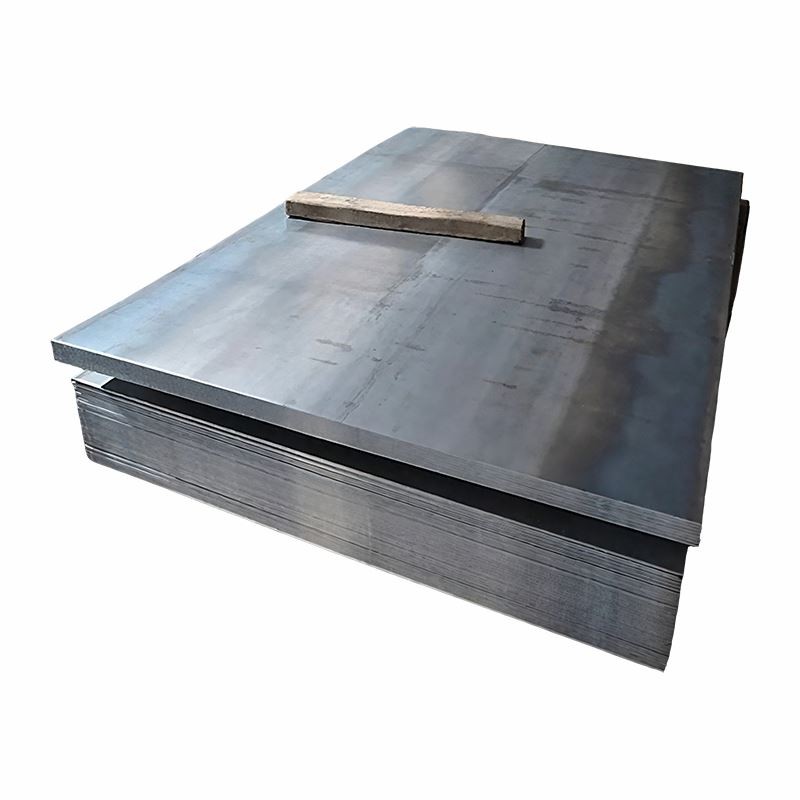
If you need a plate with high strength and good ductility, hot rolling might be the way to go. The refined grain structure and aligned carbide particles can give the plate excellent mechanical properties in the rolling direction. Hot-rolled plates are often used in applications where the steel needs to be formed or machined, like in the manufacturing of cutting tools.
On the other hand, if you need a plate with high hardness and wear resistance, cold rolling could be a better choice. The work-hardening effect of cold rolling can significantly increase the strength and hardness of the plate, making it suitable for applications where the steel is subjected to high wear, like in dies and punches.
Impact on Applications
The microstructure changes caused by rolling have a direct impact on the performance of M2 High Speed Steel Plate in different applications.
For cutting tools, the refined grain structure and aligned carbide particles from hot rolling can improve the cutting performance. The smaller grains make the tool more resistant to chipping and breakage, while the aligned carbides provide better wear resistance. This means that the cutting tool can maintain its sharpness for longer periods, resulting in more efficient machining operations.
In the case of dies and punches, the high hardness and wear resistance achieved through cold rolling are crucial. The work-hardened steel can withstand the high pressures and forces involved in forming and stamping operations without deforming or wearing out quickly. This leads to longer tool life and reduced production costs.
Conclusion
In conclusion, rolling has a profound effect on the microstructure of M2 High Speed Steel Plate. Hot rolling refines the grain structure and aligns the carbide particles, while cold rolling work-hardens the steel and breaks up the carbide particles. Each type of rolling has its own advantages and disadvantages, and the choice between them depends on the specific requirements of the application.
If you're in the market for M2 High Speed Steel Plate or want to learn more about how rolling can affect its performance, don't hesitate to reach out. We're here to help you find the right solution for your needs. Whether you're interested in M42 High Speed Steel Sheet, Cold Rolled Steel Sheets, or Hot Rolled Steel Sheets, we've got you covered.
References
- Smith, J. (2018). "Microstructure and Properties of High Speed Steels." Steel Research International, 89(5), 1-10.
- Johnson, A. (2019). "The Effect of Rolling on the Microstructure and Mechanical Properties of Steel Plates." Journal of Materials Science, 54(12), 4567-4578.
- Brown, C. (2020). "High Speed Steel: A Review of Its Microstructure, Properties, and Applications." Materials Science and Engineering A, 789, 139432.


