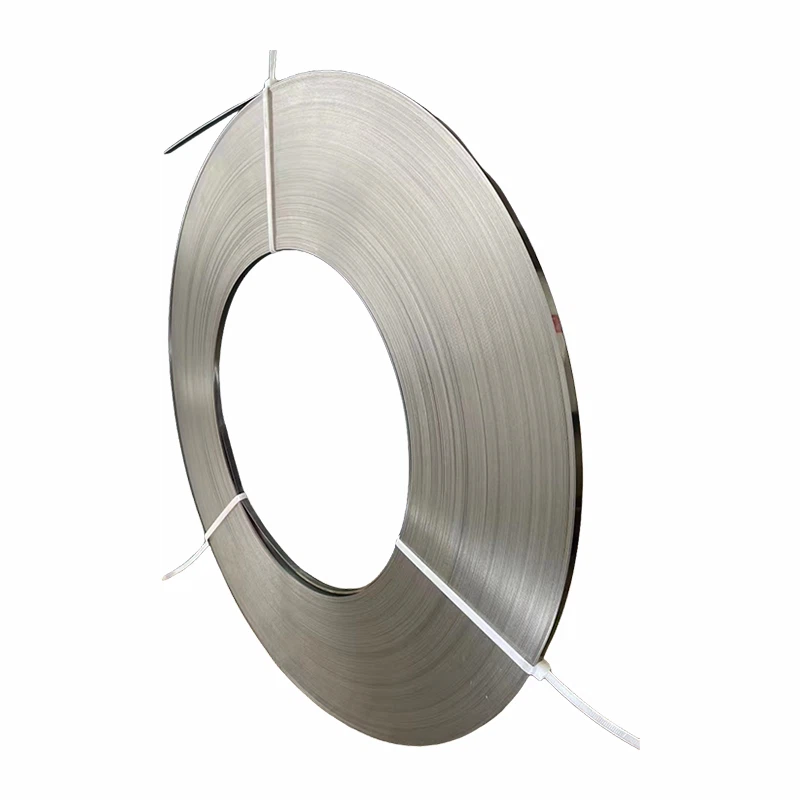
In the realm of high - speed steel (HSS) products, HSS FLAT holds a significant position due to its wide range of applications in various industries. As a leading HSS FLAT supplier, I often encounter inquiries regarding the bending radius of HSS FLAT. This blog aims to comprehensively explore what the bending radius of HSS FLAT is, factors influencing it, and its practical implications.
Understanding the Bending Radius of HSS FLAT
The bending radius of HSS FLAT refers to the minimum radius at which the HSS FLAT can be bent without causing cracks, fractures, or other forms of damage. It is a crucial parameter in metalworking and manufacturing processes, as it determines the feasibility of shaping HSS FLAT into desired forms. A smaller bending radius implies greater flexibility and the ability to create more complex shapes, while a larger bending radius may limit the design possibilities but could be more suitable for certain applications where stress distribution needs to be carefully managed.
Factors Influencing the Bending Radius of HSS FLAT
1. Material Properties
The chemical composition and mechanical properties of HSS FLAT play a fundamental role in determining its bending radius. High - speed steel typically contains elements such as tungsten, molybdenum, chromium, and vanadium, which contribute to its high hardness, wear resistance, and heat resistance. However, these same elements can also make the material more brittle, increasing the minimum bending radius required to avoid cracking. For example, HSS with a higher carbon content may have a larger bending radius compared to those with lower carbon content, as carbon tends to increase the hardness and brittleness of the steel.
2. Thickness of the HSS FLAT
The thickness of the HSS FLAT is another critical factor. Generally, thicker HSS FLAT requires a larger bending radius. This is because the outer fibers of the material experience greater tensile stress during bending, and thicker sections are more resistant to deformation. As the thickness increases, the stress concentration at the bend area becomes more significant, making it more likely for cracks to form if the bending radius is too small.
3. Bending Method
The method used to bend the HSS FLAT can also affect the bending radius. There are several bending methods available, including press braking, roll bending, and rotary draw bending. Each method has its own characteristics and limitations. For instance, press braking is suitable for making sharp bends but may require a relatively larger bending radius for thicker materials. Roll bending, on the other hand, is better suited for creating curved shapes with a larger radius and is often used for long lengths of HSS FLAT.

Importance of Determining the Correct Bending Radius
1. Product Quality
Ensuring the correct bending radius is essential for maintaining the quality of the final product. If the bending radius is too small, the HSS FLAT may crack or develop internal stresses that can lead to premature failure during use. This can compromise the performance and reliability of the product, resulting in costly repairs or replacements.
2. Design Flexibility
Knowing the bending radius of HSS FLAT allows designers to create more innovative and complex designs. By understanding the material's limitations, designers can optimize the shape and dimensions of the product to meet specific requirements. For example, in the manufacturing of Hot Rolled COIL, a precise understanding of the bending radius can enable the production of coils with different curvatures and geometries.
3. Cost - Effectiveness
Using the correct bending radius can also improve cost - effectiveness. By avoiding excessive bending that may damage the material, manufacturers can reduce waste and minimize the need for rework. Additionally, choosing the appropriate bending method based on the bending radius requirements can help optimize production efficiency and reduce production costs.
Measuring the Bending Radius of HSS FLAT
There are several ways to measure the bending radius of HSS FLAT. One common method is to use a radius gauge, which is a tool specifically designed to measure the radius of curved surfaces. Another approach is to use a template or a CAD model to compare the bent HSS FLAT with the desired shape. In some cases, advanced measurement techniques such as laser scanning or coordinate measuring machines (CMM) may be used for more accurate measurements.
Applications of HSS FLAT with Different Bending Radii
1. Cutting Tools
HSS FLAT with a relatively small bending radius can be used to manufacture cutting tools such as HSS Straight Strips for Metal Cutting. These strips can be bent into various shapes to create different types of cutting edges, such as drills, end mills, and saw blades. The ability to bend the HSS FLAT with a small radius allows for the production of more precise and efficient cutting tools.
2. Structural Components
In structural applications, HSS FLAT with a larger bending radius may be used. For example, in the construction of bridges or buildings, HSS FLAT can be bent to form arches or curved supports. The larger bending radius helps to distribute the stress evenly across the structure, ensuring its stability and durability.
3. Steel Vanes
Steel vanes often require a specific bending radius to function properly. The bending radius affects the aerodynamic performance of the vanes, as well as their structural integrity. By carefully controlling the bending radius of HSS FLAT used in steel vanes, manufacturers can optimize the performance of the vanes in applications such as turbines and compressors.
Conclusion
The bending radius of HSS FLAT is a complex parameter that is influenced by multiple factors, including material properties, thickness, and bending method. Understanding the bending radius is crucial for ensuring product quality, design flexibility, and cost - effectiveness. As a HSS FLAT supplier, we are committed to providing our customers with high - quality products and technical support to help them achieve the best results in their applications.
If you are interested in purchasing HSS FLAT or have any questions regarding the bending radius or other technical aspects, please feel free to contact us for further discussion and procurement negotiation. We look forward to working with you to meet your specific needs.
References
- ASM Handbook, Volume 1: Properties and Selection: Irons, Steels, and High - Performance Alloys.
- Metals Handbook Desk Edition, Third Edition.
- Technical literature on high - speed steel manufacturing and processing.