

Hey there! As a supplier of hot rolled steel sheets, I've seen firsthand how crucial it is to keep these sheets clean. Clean steel sheets not only look better but also perform better and have a longer lifespan. In this blog, I'll share some tips on how to clean hot rolled steel sheets effectively.
Why is Cleaning Hot Rolled Steel Sheets Important?
First off, let's talk about why cleaning is so important. Hot rolled steel sheets are often covered with mill scale, rust, and other contaminants during the manufacturing process and storage. Mill scale is a hard, brittle layer of iron oxides that forms on the surface of the steel during the hot rolling process. It can prevent proper coating adhesion, reduce corrosion resistance, and affect the overall quality of the steel sheet. Rust, on the other hand, is a sign of corrosion that can weaken the steel and make it more prone to damage.
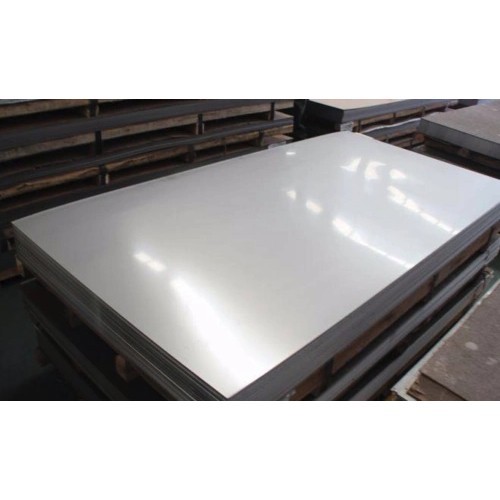

Tools and Materials You'll Need
Before you start cleaning, you'll need to gather a few tools and materials. Here's what I recommend:
- Safety Gear: Safety should always be your top priority. Wear gloves, safety glasses, and a dust mask to protect yourself from sharp edges, chemicals, and dust.
- Wire Brush or Sandpaper: A wire brush or coarse sandpaper is great for removing mill scale, rust, and other debris from the surface of the steel sheet. You can choose between a handheld wire brush or a power brush for larger surfaces.
- Cleaning Solution: Depending on the level of dirt and contaminants, you may need a cleaning solution. Mild detergents, degreasers, or acidic solutions can be used to remove oil, grease, and rust. Make sure to choose a cleaning solution that is compatible with steel and follow the manufacturer's instructions.
- Water and Rinse Equipment: You'll need water to rinse the steel sheet after cleaning. A garden hose or a pressure washer can be used to rinse off the cleaning solution and debris.
- Dry Cloth or Air Compressor: After rinsing, use a dry cloth to wipe off any excess water or use an air compressor to blow dry the steel sheet. This will prevent rust from forming during the drying process.
Step-by-Step Cleaning Process
Now that you have all the necessary tools and materials, let's get started with the cleaning process.
Step 1: Prepare the Work Area
- Set up your work area in a well-ventilated space. If you're using a cleaning solution, make sure to work in an area where the fumes can dissipate easily.
- Place the steel sheet on a stable surface, such as a workbench or sawhorses. Make sure the surface is clean and free of debris.
Step 2: Remove Loose Debris
- Use a wire brush or sandpaper to remove any loose mill scale, rust, or other debris from the surface of the steel sheet. Start from one end and work your way across the sheet in a consistent motion. Apply firm pressure to ensure that you're removing all the loose material.
- If you're using a power brush, be careful not to apply too much pressure, as this can damage the surface of the steel sheet.
Step 3: Apply the Cleaning Solution
- Mix the cleaning solution according to the manufacturer's instructions. If you're using a mild detergent, mix it with water in a bucket. If you're using a degreaser or acidic solution, make sure to wear appropriate protective gear and follow the safety precautions.
- Apply the cleaning solution to the steel sheet using a brush, sponge, or sprayer. Make sure to cover the entire surface evenly. Let the cleaning solution sit on the surface for the recommended amount of time to allow it to penetrate and break down the dirt and contaminants.
Step 4: Scrub the Surface
- After the cleaning solution has had time to work, use a wire brush or a scrubbing pad to scrub the surface of the steel sheet. Pay special attention to areas with stubborn dirt or rust. Scrub in a circular motion to ensure thorough cleaning.
- If the contamination is severe, you may need to repeat the process or use a stronger cleaning solution.
Step 5: Rinse the Steel Sheet
- Use a garden hose or a pressure washer to rinse off the cleaning solution and debris from the steel sheet. Start from the top and work your way down, making sure to rinse all the nooks and crannies.
- Make sure to rinse the steel sheet thoroughly to remove all traces of the cleaning solution. Otherwise, the remaining solution can cause corrosion over time.
Step 6: Dry the Steel Sheet
- Use a dry cloth to wipe off any excess water from the steel sheet. If you have an air compressor, you can also use it to blow dry the sheet. Make sure the steel sheet is completely dry before proceeding to the next step.
- If the weather is sunny, you can also let the steel sheet dry naturally in the sun. However, make sure to cover it with a tarp or a plastic sheet to prevent dust and debris from settling on the surface.
Additional Tips and Considerations
- Preventive Maintenance: Regularly inspect your hot rolled steel sheets for signs of rust or contamination. If you notice any issues, address them promptly to prevent further damage.
- Storage Conditions: Store your steel sheets in a dry, well-ventilated area to prevent rust and corrosion. Avoid storing them on the ground or in direct contact with moisture.
- Coating and Finish: After cleaning, consider applying a protective coating or finish to the steel sheet to prevent future rust and corrosion. There are many different types of coatings available, such as paint, powder coating, and galvanizing. Choose a coating that is appropriate for your application and follow the manufacturer's instructions.
Some Related Products
If you're also interested in other types of steel products, we also supply SKH51 Steel Plate, Special Steel Sheet, and Cold Rolled Steel Sheets. These products have their own unique properties and applications, so feel free to check them out if you need something different.
Contact for Purchase
If you're in the market for high-quality hot rolled steel sheets or any of our other products, don't hesitate to reach out. We're always ready to discuss your specific needs and provide you with the best solutions. Whether you're a small business or a large industrial enterprise, we can offer competitive prices and excellent service. Let's start a conversation about how we can meet your steel requirements!
References
- "Steel Processing and Finishing" - Various industry publications on steel manufacturing and maintenance.
- Manufacturer's instructions for cleaning solutions and equipment used in steel cleaning.


