Yo! As a supplier of High Speed Steel Plate, I'm super stoked to take you on a wild ride through how these bad - ass steel plates are made. High Speed Steel Plate is like the superhero in the world of metals, known for its amazing hardness, wear - resistance, and ability to keep its cool even under high temperatures.
Let's start at the very beginning - the raw materials. The main ingredients for High Speed Steel Plate are iron, carbon, and a bunch of alloying elements. These alloying elements are like the secret sauce that gives high - speed steel its unique properties. We're talking about things like tungsten, molybdenum, chromium, and vanadium. Each of these elements plays a crucial role. Tungsten, for example, increases the steel's hardness and heat resistance. It's like adding a tough shield to the steel. Molybdenum helps with the strength and toughness, kind of like giving the steel some muscle. Chromium improves corrosion resistance, so the steel doesn't get all rusty and weak, and vanadium refines the grain structure, making the steel more durable.
Once we've got our raw materials sorted, it's time for the melting process. This happens in a big, industrial electric arc furnace. The furnace is like a giant, super - hot oven that can reach temperatures up to several thousand degrees Celsius. We dump all the raw materials into the furnace, and the electric arcs generated between the electrodes start to heat everything up. As the temperature rises, the metals start to melt and mix together. It's like making a really hot, metallic soup!
During the melting process, we have to be really careful to control the temperature and the chemical composition. We use special sensors and testing equipment to keep an eye on things. If the temperature is too high or too low, or if the amount of alloying elements is off, the quality of the steel can be seriously affected. Once the melt has the right composition and temperature, we're ready for the next step.
After the melting, we move on to casting. There are a few different ways to do this, but one common method is continuous casting. In continuous casting, the molten steel is poured into a water - cooled mold. As the steel enters the mold, it starts to solidify on the outer surface. The solidified steel is then slowly pulled out of the mold while more molten steel is added at the top. This process creates a continuous strand of solid steel. It's like making a long, metal sausage!
The continuous casting process has a bunch of advantages. It's more efficient than traditional casting methods, and it produces a more uniform product. The steel strand that comes out of the continuous casting machine is then cut into smaller pieces, which will eventually become our High Speed Steel Plates.
Next up is the rolling process. This is where we really start to shape the steel into plates. The steel pieces are heated up again in a reheating furnace to make them soft and malleable. Then, they're sent through a series of rolling mills. The rolling mills are like big, heavy - duty rollers that squeeze and stretch the steel. Each pass through the rollers makes the steel thinner and longer.
There are two main types of rolling: hot rolling and cold rolling. Hot rolling is usually done first. In hot rolling, the steel is at a very high temperature, which makes it easier to shape. The hot - rolled steel has a rough surface finish, but it's also more ductile. After hot rolling, the steel may be cold - rolled if a smoother surface finish and more precise dimensions are required. Cold rolling is done at room temperature, and it further refines the steel's properties. You can check out more about Hot Rolled Steel Sheets for a better understanding of this process.
Once the rolling is complete, the steel plates are heat - treated. Heat treatment is like giving the steel a magic boost. There are different types of heat treatments, such as annealing, quenching, and tempering. Annealing is used to relieve internal stresses in the steel and make it more ductile. Quenching is a rapid cooling process that increases the steel's hardness. But quenching can also make the steel brittle, so we follow it up with tempering. Tempering is a process of reheating the steel to a lower temperature and then cooling it slowly. This reduces the brittleness and gives the steel a good balance of hardness and toughness.
After heat treatment, the steel plates go through a series of quality control checks. We use non - destructive testing methods like ultrasonic testing and magnetic particle testing to check for internal defects like cracks or inclusions. We also measure the thickness, width, and flatness of the plates to make sure they meet the required specifications. Only the plates that pass all the quality control tests are sold as High Speed Steel Plate.
One of the popular types of High Speed Steel Plate is the SKH51 Steel Plate. It's widely used in the manufacturing industry because of its excellent performance. You can find more details about SKH51 Steel Plate.
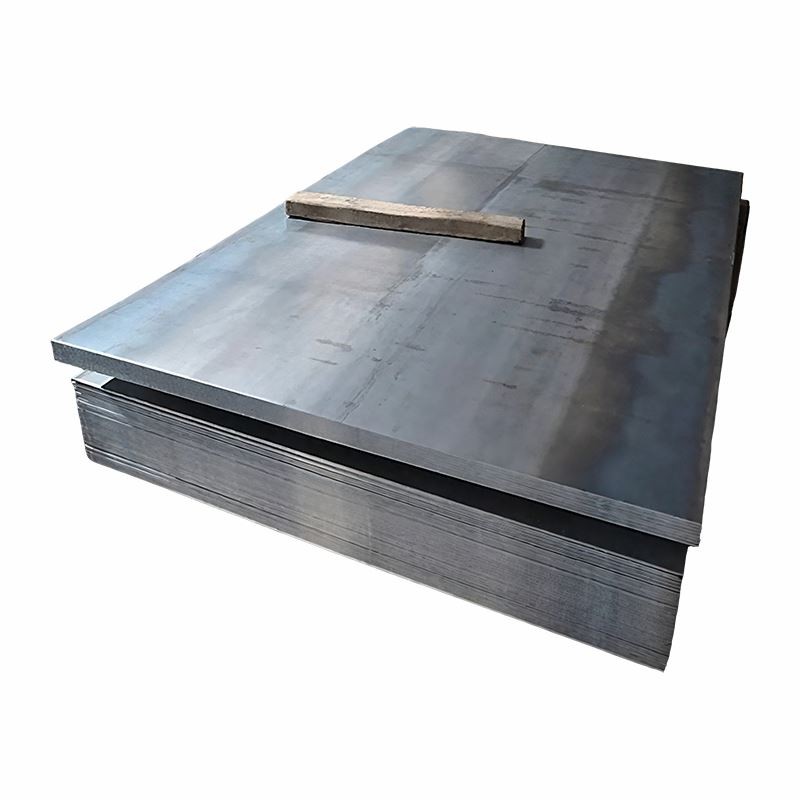

So there you have it, folks! That's the low - down on how High Speed Steel Plate is manufactured. It's a complex process that involves a lot of steps and careful control, but the end result is a high - quality product that can be used in a wide range of applications, from cutting tools to industrial machinery.
If you're in the market for High Speed Steel Plate and want to start a conversation about your requirements, don't hesitate to reach out. Whether you need a small quantity for a special project or a large order for your manufacturing business, I'm here to help you find the perfect solution. Let's talk and see how we can work together!
References
- "Metallurgy for Engineers" by George L. Kehl
- "Introduction to Steelmaking" by Jeffrey J. McKelvey