Wear resistance is a crucial property for steel vanes, especially in applications where they are subjected to continuous friction, abrasion, and impact. As a leading supplier of Steel Vanes, we have delved deep into the wear - resistance mechanism of steel vanes to provide high - quality products that meet the diverse needs of our customers.
1. Introduction to Steel Vanes
Steel vanes are widely used in various industries such as pumps, compressors, and turbines. In these applications, they play a vital role in fluid handling and energy conversion. For example, in a vane pump, the steel vanes slide against the pump housing, creating chambers that draw in and expel fluid. Due to the high - speed movement and contact with other components, steel vanes are prone to wear, which can lead to reduced efficiency, increased maintenance costs, and even system failure. Therefore, understanding the wear - resistance mechanism is essential for improving the performance and service life of steel vanes.
2. Factors Affecting the Wear Resistance of Steel Vanes
2.1 Material Composition
The material composition of steel vanes is one of the most important factors affecting their wear resistance. High - speed steel (HSS) is a popular choice for steel vanes due to its excellent hardness, toughness, and wear resistance. HSS contains elements such as tungsten (W), molybdenum (Mo), chromium (Cr), and vanadium (V). These alloying elements form hard carbides during the heat - treatment process, which enhance the hardness and wear resistance of the steel.
For instance, vanadium forms vanadium carbides (VC), which have a very high hardness and are effective in resisting abrasion. Chromium improves the corrosion resistance of the steel and also contributes to the formation of a hard oxide layer on the surface, which can reduce friction and wear. Tungsten and molybdenum increase the red - hardness of the steel, allowing it to maintain its hardness at high temperatures, which is crucial in applications where the vanes are subjected to frictional heating.
Our HSS STEEL VANE products are made from high - quality HSS with precisely controlled alloying element contents. This ensures that the vanes have optimal wear resistance and performance in different operating conditions.
2.2 Heat Treatment
Heat treatment is another key factor in enhancing the wear resistance of steel vanes. Processes such as quenching and tempering can significantly improve the hardness, strength, and toughness of the steel. During quenching, the steel is heated to a high temperature and then rapidly cooled, which transforms the austenite structure into martensite, a very hard and brittle phase. However, martensite alone is not suitable for most applications due to its brittleness.
Tempering is then carried out to reduce the brittleness of the quenched steel. By heating the quenched steel to a moderate temperature and holding it for a certain period, some of the martensite decomposes into a more ductile structure, while still maintaining a high level of hardness. The combination of quenching and tempering can achieve a good balance between hardness and toughness, which is essential for wear - resistant steel vanes.
2.3 Surface Finish
The surface finish of steel vanes also has a significant impact on their wear resistance. A smooth surface finish can reduce friction and prevent the accumulation of debris, which can cause abrasive wear. Polishing the surface of the vanes can improve their surface quality and reduce the coefficient of friction.
In addition, surface treatments such as nitriding or coating can be applied to further enhance the wear resistance. Nitriding introduces nitrogen into the surface layer of the steel, forming hard nitride compounds that increase the surface hardness and wear resistance. Coatings such as titanium nitride (TiN) or diamond - like carbon (DLC) can provide a low - friction and wear - resistant surface, protecting the steel vanes from abrasion and corrosion.
3. Wear - Resistance Mechanisms of Steel Vanes
3.1 Abrasive Wear Resistance
Abrasive wear occurs when hard particles slide or roll against the surface of the steel vanes. The hard carbides in the steel matrix act as barriers to prevent the penetration of abrasive particles. For example, the vanadium carbides in HSS are very hard and can resist the scratching and cutting action of abrasive particles.
The hardness of the steel also plays a crucial role in abrasive wear resistance. A harder steel can better withstand the pressure exerted by abrasive particles, reducing the amount of material removed from the surface. The heat - treatment process, which increases the hardness of the steel, is therefore an important factor in improving abrasive wear resistance.
3.2 Adhesive Wear Resistance
Adhesive wear occurs when two surfaces in contact adhere to each other and material is transferred from one surface to the other. In the case of steel vanes, this can happen when they slide against the pump housing or other components. The presence of a hard and smooth surface can reduce the tendency of adhesion.
The alloying elements in the steel can also affect adhesive wear resistance. For example, chromium can form a passive oxide layer on the surface of the steel, which can prevent direct contact between the two surfaces and reduce the adhesion. In addition, the toughness of the steel is important in preventing the formation of large - scale adhesive wear. A tough steel can better withstand the shear forces generated during sliding contact, reducing the risk of material transfer and galling.
3.3 Fatigue Wear Resistance
Fatigue wear occurs when the steel vanes are subjected to cyclic loading. The repeated stress can cause the formation and propagation of cracks on the surface of the vanes, eventually leading to material loss. The hardness and toughness of the steel are both important factors in fatigue wear resistance.
A hard steel can resist the initiation of cracks, while a tough steel can prevent the rapid propagation of cracks. The alloying elements in the steel, such as nickel (Ni), can improve the toughness of the steel and enhance its fatigue wear resistance. Heat treatment can also optimize the microstructure of the steel, reducing the stress concentration and improving the fatigue life of the vanes.
4. Our Solutions for Wear - Resistant Steel Vanes
As a professional supplier of steel vanes, we offer a wide range of products with excellent wear resistance. Our HSS Straight Strips for Metal Cutting can be used as raw materials for manufacturing high - performance steel vanes.

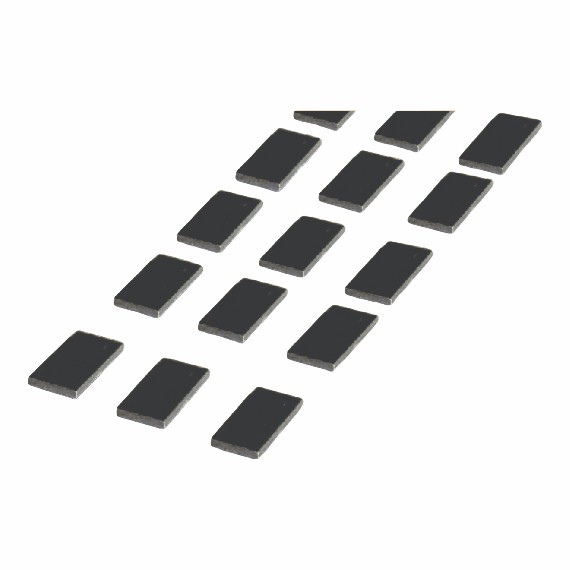
We use advanced manufacturing processes and quality control systems to ensure the consistency and reliability of our products. Our R & D team is constantly working on improving the wear - resistance mechanism of steel vanes by exploring new materials, heat - treatment processes, and surface treatments.
5. Conclusion
The wear - resistance mechanism of steel vanes is a complex phenomenon that is affected by multiple factors such as material composition, heat treatment, and surface finish. Understanding these factors and mechanisms is crucial for developing high - performance steel vanes.
As a leading supplier of steel vanes, we are committed to providing our customers with the best - quality products that offer excellent wear resistance and long service life. If you are interested in our steel vanes or have any questions about wear - resistance, please feel free to contact us for procurement and further discussion.
References
-ASM Handbook, Volume 3: Alloy Phase Diagrams. ASM International, 1992.
-Schrader, K. E. "High - Speed Steels: Their Properties and Applications." Journal of Materials Engineering and Performance, Vol. 1, No. 1, 1992.
-Totten, G. E., and MacKenzie, D. L. Steel Heat Treatment: Metallurgy and Technologies. CRC Press, 2004.