

Hey there! As a supplier of Steel Vanes, I've been getting a lot of questions lately about how these bad boys perform in high - pressure environments. So, I thought I'd sit down and share some insights with you all.
First off, let's talk about what steel vanes are. Steel vanes are essential components in a variety of industrial applications. They're used in pumps, compressors, and other machinery where fluid flow control and pressure management are crucial. You can check out more about them on our Steel Vanes page.
Now, high - pressure environments are no joke. They can put a tremendous amount of stress on any component, and steel vanes are no exception. But the good news is that steel vanes are designed to handle this kind of pressure like a champ.
One of the key factors that determine how well steel vanes perform in high - pressure environments is the material they're made from. Most of the steel vanes we supply are crafted from high - quality steel alloys. These alloys are chosen for their excellent strength, toughness, and resistance to wear and corrosion. For example, some of our vanes are made from HSS FLAT, which is a high - speed steel known for its ability to maintain its hardness even at high temperatures. This means that in high - pressure applications where the temperature can rise significantly, these vanes won't lose their shape or performance.
Another important aspect is the manufacturing process. We use advanced manufacturing techniques to ensure that our steel vanes have precise dimensions and smooth surfaces. In high - pressure environments, even the slightest imperfection can lead to problems. A rough surface can cause increased friction, which not only reduces the efficiency of the machinery but also generates more heat. This extra heat can further degrade the performance of the vanes and other components. By using precision machining and finishing processes, we can minimize these issues and ensure that our vanes perform optimally.
When it comes to the actual performance in high - pressure situations, steel vanes have several advantages. First of all, they have high stiffness. This means that they can withstand the high forces exerted on them without bending or deforming. In a pump or compressor, for instance, the vanes need to maintain their shape to create a proper seal and ensure efficient fluid transfer. If the vanes were to deform under pressure, it could lead to leaks, reduced flow rates, and decreased overall performance.
Steel vanes also have good fatigue resistance. In high - pressure environments, the vanes are subjected to repeated loading and unloading cycles. Over time, this can cause fatigue failure in some materials. However, the steel alloys we use have been engineered to resist fatigue. This means that our vanes can last a long time even in the most demanding high - pressure applications.
But it's not all smooth sailing. There are some challenges that steel vanes face in high - pressure environments. One of the main issues is cavitation. Cavitation occurs when the pressure in a liquid drops below its vapor pressure, causing bubbles to form. When these bubbles collapse, they can generate extremely high - pressure shock waves that can damage the surface of the vanes. To combat this, we can use special coatings on our vanes. These coatings can provide an extra layer of protection against cavitation erosion.
Another challenge is the compatibility with the fluid being handled. Some fluids can be corrosive or abrasive, which can wear down the vanes over time. That's why we work closely with our customers to understand the specific requirements of their applications. We can recommend the right type of steel alloy and surface treatment to ensure that the vanes are compatible with the fluid and can withstand the high - pressure conditions.
Now, let's talk about how our Steel Vanes compare to other materials. There are some alternative materials out of there, like plastics or ceramics. While these materials have their own advantages in certain applications, they often can't match the performance of steel vanes in high - pressure environments. Plastics, for example, may not have the same strength and stiffness as steel. They can also be more prone to deformation and wear under high pressure. Ceramics, on the other hand, are brittle and can crack easily if subjected to sudden impacts or high - pressure spikes.

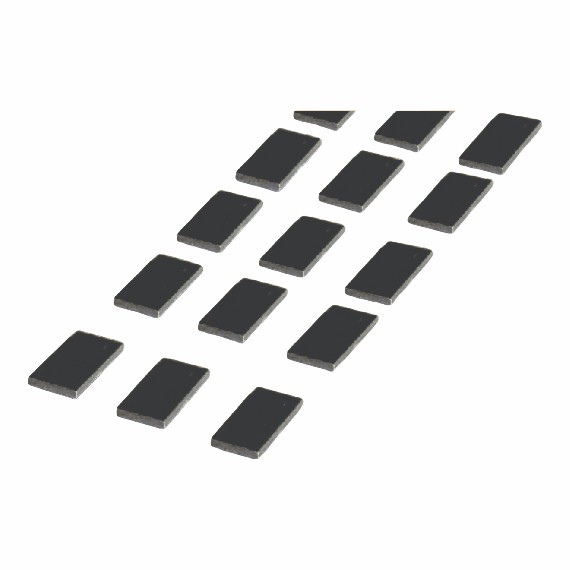
In conclusion, steel vanes are a great choice for high - pressure environments. They offer excellent strength, toughness, and resistance to wear and corrosion. With the right material selection, manufacturing process, and surface treatments, they can perform reliably for a long time.
If you're in the market for high - quality steel vanes for your high - pressure applications, we'd love to hear from you. We have a wide range of vanes available, and we can work with you to find the perfect solution for your specific needs. Whether you're in the oil and gas industry, the chemical industry, or any other field that requires high - pressure machinery, we've got you covered. So, don't hesitate to reach out and start a conversation about your procurement needs.
References:
- "Materials Science and Engineering: An Introduction" by William D. Callister Jr. and David G. Rethwisch
- "Handbook of Tribology: Materials, Coatings, and Surface Treatments" by Bharat Bhushan


