

As a supplier of M42 High Speed Steel Sheet, I often receive inquiries about its suitability for various applications, especially when it comes to cutting non-ferrous metals. In this blog post, I will delve into the properties of M42 High Speed Steel Sheet and explore whether it can be effectively used for cutting non-ferrous metals.
Understanding M42 High Speed Steel Sheet
M42 High Speed Steel Sheet is a premium-grade tool steel known for its exceptional hardness, wear resistance, and high-temperature performance. It belongs to the high-speed steel family, which is specifically designed for applications that require cutting, machining, and shaping of various materials. The M42 grade is characterized by its high vanadium and cobalt content, which contribute to its superior cutting performance and durability.
The key properties of M42 High Speed Steel Sheet include:
- High Hardness: M42 steel can achieve a hardness of up to 67 HRC, making it suitable for cutting through tough materials with ease.
- Wear Resistance: The high vanadium content in M42 steel enhances its wear resistance, reducing the need for frequent tool changes and increasing productivity.
- High-Temperature Performance: M42 steel can maintain its hardness and cutting edge at elevated temperatures, making it ideal for high-speed cutting operations.
- Toughness: Despite its high hardness, M42 steel exhibits good toughness, which helps prevent tool breakage during cutting.
Cutting Non-Ferrous Metals
Non-ferrous metals are metals that do not contain iron as their main component. Examples of non-ferrous metals include aluminum, copper, brass, and titanium. These metals are widely used in various industries due to their unique properties, such as high conductivity, corrosion resistance, and lightweight.
When it comes to cutting non-ferrous metals, different cutting tools are required depending on the specific metal and the cutting application. Some common cutting tools used for non-ferrous metals include carbide tools, diamond tools, and high-speed steel tools.
Can M42 High Speed Steel Sheet be Used for Cutting Non-Ferrous Metals?
The answer is yes, M42 High Speed Steel Sheet can be used for cutting non-ferrous metals. However, its suitability depends on several factors, such as the type of non-ferrous metal, the cutting conditions, and the specific requirements of the application.
Advantages of Using M42 High Speed Steel Sheet for Cutting Non-Ferrous Metals
- Cost-Effective: M42 High Speed Steel Sheet is generally more affordable than carbide or diamond tools, making it a cost-effective option for cutting non-ferrous metals, especially for small to medium-scale operations.
- Versatility: M42 steel can be used for a wide range of cutting applications, including turning, milling, drilling, and threading. It can also be used for both roughing and finishing operations, providing flexibility in the machining process.
- Good Cutting Performance: M42 steel offers good cutting performance when used for cutting non-ferrous metals. It can achieve high cutting speeds and feeds, resulting in improved productivity and reduced machining time.
- Easy to Sharpen: M42 High Speed Steel Sheet can be easily sharpened using conventional sharpening methods, such as grinding or honing. This allows for quick and cost-effective tool reconditioning, ensuring consistent cutting performance over time.
Limitations of Using M42 High Speed Steel Sheet for Cutting Non-Ferrous Metals
- Limited Heat Resistance: While M42 steel has good high-temperature performance, it may not be suitable for cutting non-ferrous metals at extremely high speeds or in applications where excessive heat is generated. In such cases, carbide or diamond tools may be more appropriate.
- Lower Wear Resistance Compared to Carbide: Although M42 steel has good wear resistance, it may not be as wear-resistant as carbide tools when cutting hard or abrasive non-ferrous metals. This can result in faster tool wear and the need for more frequent tool changes.
- Susceptible to Chipping: M42 steel may be more susceptible to chipping or breakage when cutting non-ferrous metals with hard inclusions or irregular surfaces. Care must be taken to select the appropriate cutting parameters and tool geometry to minimize the risk of chipping.
Applications of M42 High Speed Steel Sheet for Cutting Non-Ferrous Metals
M42 High Speed Steel Sheet can be used for a variety of applications in the cutting of non-ferrous metals, including:
- Aluminum Machining: M42 steel is commonly used for machining aluminum alloys, which are widely used in the aerospace, automotive, and electronics industries. It can be used for turning, milling, drilling, and threading operations, providing good surface finish and dimensional accuracy.
- Copper and Brass Machining: M42 steel is also suitable for machining copper and brass alloys, which are known for their high conductivity and corrosion resistance. It can be used for cutting, shaping, and finishing operations, producing high-quality parts with minimal burrs and surface defects.
- Titanium Machining: Although titanium is a difficult-to-machine metal, M42 steel can be used for certain titanium machining applications, such as roughing and semi-finishing operations. It can provide good cutting performance and tool life when used with the appropriate cutting parameters and coolant.
Choosing the Right M42 High Speed Steel Sheet for Cutting Non-Ferrous Metals
When choosing an M42 High Speed Steel Sheet for cutting non-ferrous metals, several factors should be considered, including:
- Thickness and Size: The thickness and size of the steel sheet should be selected based on the specific cutting application and the requirements of the machining equipment.
- Quality and Grade: It is important to choose a high-quality M42 High Speed Steel Sheet from a reputable supplier to ensure consistent performance and reliability. Look for sheets that meet the relevant industry standards and specifications.
- Coating: Some M42 High Speed Steel Sheets may be coated with a special coating to improve their wear resistance and cutting performance. Consider the type of coating and its suitability for the specific non-ferrous metal being cut.
- Tool Geometry: The tool geometry, such as the rake angle, clearance angle, and cutting edge radius, can have a significant impact on the cutting performance of the M42 steel sheet. Choose the appropriate tool geometry based on the type of non-ferrous metal and the cutting operation.
Conclusion
In conclusion, M42 High Speed Steel Sheet can be a viable option for cutting non-ferrous metals, offering a cost-effective and versatile solution for a variety of applications. While it has its advantages, such as good cutting performance and ease of sharpening, it also has some limitations, such as limited heat resistance and lower wear resistance compared to carbide tools.

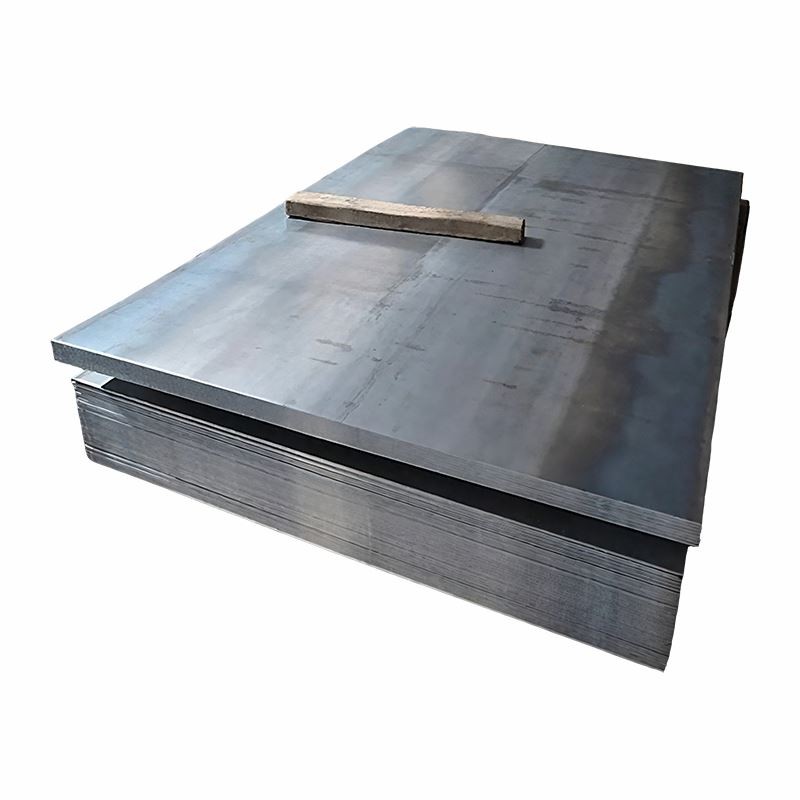
When considering using M42 High Speed Steel Sheet for cutting non-ferrous metals, it is important to carefully evaluate the specific requirements of the application, including the type of non-ferrous metal, the cutting conditions, and the desired surface finish. By choosing the right M42 steel sheet and using it with the appropriate cutting parameters and tool geometry, you can achieve optimal cutting performance and productivity.
If you are interested in learning more about M42 High Speed Steel Sheet or have any questions about its suitability for cutting non-ferrous metals, please feel free to contact us for further information and assistance. We are a leading supplier of M42 High Speed Steel Sheet, Hot Rolled Steel Sheets, and SKH51 Steel Plate, and we are committed to providing high-quality products and excellent customer service.
References
- "High-Speed Steel: Properties, Applications, and Selection." ASM Handbook, Volume 14A: Metalworking: Cutting, ASM International, 2013.
- "Machining of Non-Ferrous Metals." Machining Handbook, 31st Edition, Industrial Press, 2012.
- "Tool Materials for Machining." Manufacturing Engineering Handbook, CRC Press, 2010.


