

What is the tensile strength of hot rolled coil?
As a supplier of Hot Rolled COIL, I often get asked about the tensile strength of this essential steel product. Tensile strength is a crucial property that determines the performance and suitability of hot rolled coil in various applications. In this blog post, I will delve into the concept of tensile strength, its significance for hot rolled coil, and how it affects the end - use of the material.
Understanding Tensile Strength
Tensile strength is defined as the maximum amount of tensile (pulling) stress that a material can withstand before it breaks or fails. It is typically measured in units of force per unit area, such as megapascals (MPa) or pounds per square inch (psi). When a hot rolled coil is subjected to a pulling force, its atoms and molecules resist the separation. The point at which the material can no longer withstand the force and fractures is the ultimate tensile strength.
There are different types of tensile strength that are relevant when discussing hot rolled coil. The yield strength is the stress at which the material begins to deform plastically, meaning it will not return to its original shape after the force is removed. The ultimate tensile strength, on the other hand, is the maximum stress the material can handle before breaking. The difference between these two values can provide insights into the material's ductility and workability.
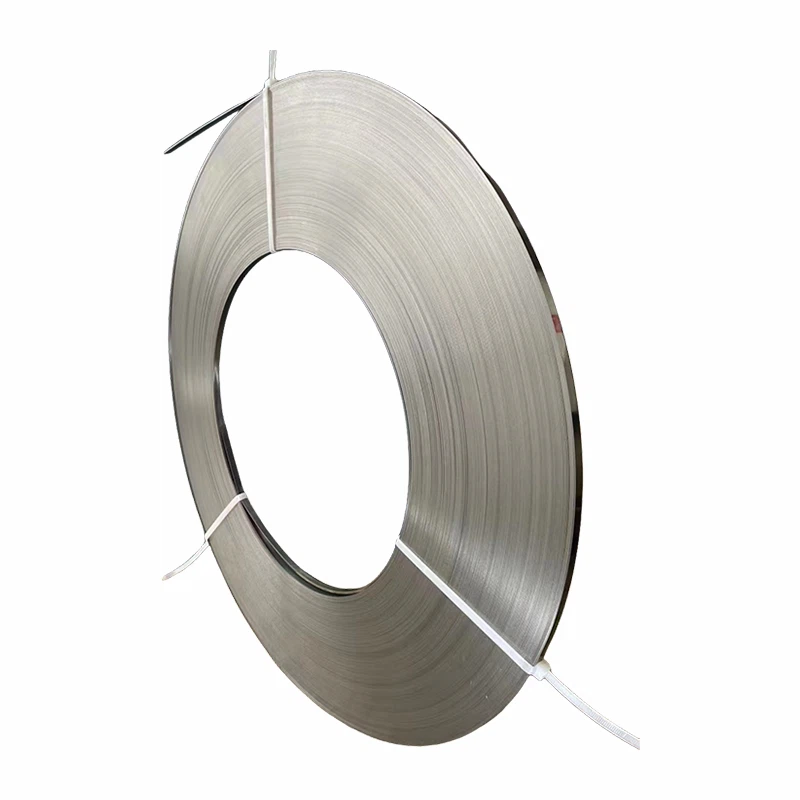

Factors Affecting the Tensile Strength of Hot Rolled Coil
Several factors influence the tensile strength of hot rolled coil. One of the primary factors is the chemical composition of the steel. Elements such as carbon, manganese, silicon, and various alloying elements can significantly impact the strength of the material. For example, increasing the carbon content generally increases the tensile strength but may reduce the ductility of the hot rolled coil.
The manufacturing process also plays a vital role. Hot rolling involves passing the steel through a series of rollers at high temperatures. The temperature at which the rolling occurs, the speed of the rollers, and the number of passes can all affect the grain structure of the steel, which in turn influences its tensile strength. A fine - grained structure typically results in higher strength and better toughness.
The thickness of the hot rolled coil can also have an impact on its tensile strength. Thicker coils may have different strength characteristics compared to thinner ones due to variations in the cooling rate during the manufacturing process and the internal stress distribution.
Importance of Tensile Strength in Applications
The tensile strength of hot rolled coil is of utmost importance in a wide range of applications. In the construction industry, hot rolled coil is used for making structural components such as beams, columns, and reinforcing bars. High tensile strength is essential to ensure that these components can bear the loads and stresses imposed on them during the service life of the building. For instance, a building located in an earthquake - prone area requires structural steel with high tensile strength to withstand the seismic forces.
In the automotive industry, hot rolled coil is used to manufacture various parts, including chassis components, body panels, and engine mounts. The tensile strength of the steel affects the safety and performance of the vehicle. Components with high tensile strength can better absorb energy during a collision, reducing the risk of injury to the passengers.
In the manufacturing of pipes and tubes, the tensile strength of hot rolled coil is crucial for withstanding internal pressure and external forces. Pipes used in oil and gas transportation need to have sufficient tensile strength to prevent rupture under high - pressure conditions.
Comparing Hot Rolled Coil with Other Steel Products
When comparing hot rolled coil with other steel products such as HSS BAR and HSS Round Bar, the tensile strength can vary. HSS (High - Strength Steel) bars are often designed to have very high tensile strength, which makes them suitable for applications where high - load - bearing capacity is required. However, hot rolled coil offers advantages in terms of its versatility and ease of processing. It can be easily formed into different shapes and sizes, making it a popular choice for a wide range of industries.
The manufacturing process of HSS bars and round bars may be different from that of hot rolled coil, which can lead to differences in their tensile strength. For example, HSS bars may undergo additional heat treatment processes to achieve the desired strength levels.
Measuring the Tensile Strength of Hot Rolled Coil
To determine the tensile strength of hot rolled coil, standardized testing methods are used. One of the most common methods is the tensile test, where a sample of the hot rolled coil is prepared according to specific dimensions and then pulled in a testing machine at a constant rate until it breaks. The machine records the force applied and the corresponding elongation of the sample. From these measurements, the yield strength, ultimate tensile strength, and other mechanical properties can be calculated.
It is important to note that the results of tensile tests can be affected by factors such as the sample preparation, the testing equipment, and the testing environment. Therefore, it is crucial to follow strict testing procedures to ensure accurate and reliable results.
Quality Control and Assurance
As a supplier of Hot Rolled COIL, we place a high emphasis on quality control and assurance. We conduct regular tensile tests on our products to ensure that they meet the required standards and specifications. Our quality control team monitors every step of the manufacturing process, from the selection of raw materials to the final inspection of the finished hot rolled coil.
We also work closely with our customers to understand their specific requirements for tensile strength and other mechanical properties. By providing high - quality hot rolled coil with consistent tensile strength, we can help our customers achieve better performance and reliability in their applications.
Conclusion
In conclusion, the tensile strength of hot rolled coil is a critical property that determines its performance and suitability in various applications. Understanding the factors that affect tensile strength, the importance of this property in different industries, and the methods of measuring it is essential for both suppliers and users of hot rolled coil.
If you are in the market for high - quality hot rolled coil with the right tensile strength for your specific application, we are here to assist you. Our team of experts can provide you with detailed information about our products and help you select the most suitable hot rolled coil for your needs. Contact us to start a discussion about your procurement requirements and let us work together to find the best solution for your business.
References
- ASM Handbook Volume 1: Properties and Selection: Irons, Steels, and High - Performance Alloys. ASM International.
- ASTM Standards for Tensile Testing of Metals. ASTM International.
- Steel Design Manual, American Institute of Steel Construction.


