

Hey there! As a supplier of special steel sheets, I've been getting a lot of questions lately about the storage requirements for these high - quality products. So, I thought I'd sit down and write this blog to share some insights.

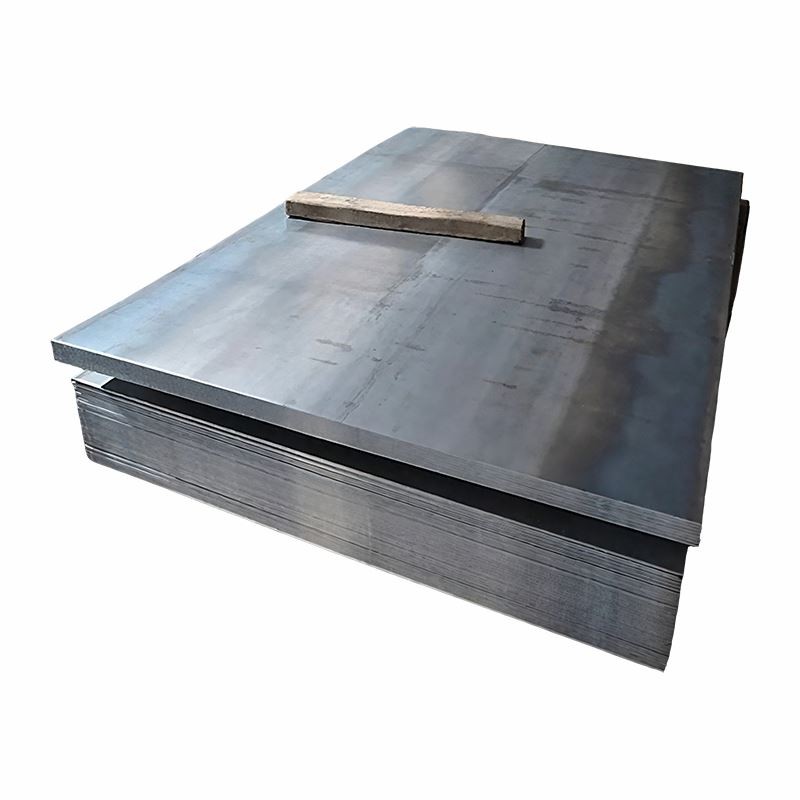
First off, let's talk about why proper storage is so important. Special steel sheets are made to have specific properties, like high strength, corrosion resistance, or heat resistance. If they're not stored correctly, these properties can be compromised. This can lead to issues like rust, warping, or even a reduction in the steel's overall performance. And as a supplier, I want to make sure that the steel sheets I provide reach my customers in the best possible condition.
Environmental Conditions
One of the most crucial factors in storing special steel sheets is the environment. The ideal storage area should be dry. Moisture is the enemy of steel, as it can cause rust to form. Rust not only looks bad but also weakens the steel. So, if you're storing the sheets in a warehouse, make sure it has proper ventilation to keep the air dry. You might also want to use dehumidifiers in areas where the humidity levels are high.
Temperature is another important aspect. Extreme temperatures can cause the steel to expand or contract, which might lead to warping. It's best to store special steel sheets in an area where the temperature is relatively stable. Avoid storing them in direct sunlight or near sources of heat, like industrial heaters or furnaces.
Storage Location
The location where you store the steel sheets matters a lot. They should be stored off the ground. This can prevent moisture from seeping up from the floor and causing damage. You can use pallets or racks to keep the sheets elevated. Make sure the pallets or racks are sturdy enough to support the weight of the steel sheets.
It's also a good idea to store the sheets in a covered area. This protects them from the elements, like rain, snow, and dust. If you have to store them outdoors for some reason, use waterproof covers. But even with covers, outdoor storage should be a last resort.
Stacking and Handling
When it comes to stacking special steel sheets, there are some rules to follow. Don't stack them too high. Over - stacking can cause the sheets at the bottom to bend or warp under the weight of the ones on top. You should also make sure that the stacks are stable. Use spacers between the sheets to keep them separated and prevent scratching.
When handling the sheets, be gentle. Rough handling can cause dents, scratches, or other types of damage. Use proper lifting equipment, like cranes or forklifts, and make sure the operators are trained to handle steel sheets safely.
Different Types of Special Steel Sheets
Now, let's take a look at the storage requirements for different types of special steel sheets.
Cold Rolled Steel Sheets
Cold Rolled Steel Sheets are known for their smooth finish and precise dimensions. They are more prone to rust than some other types of steel because of the cold - rolling process. So, it's even more important to keep them in a dry environment. When stacking cold - rolled steel sheets, use protective coatings or plastic film to prevent scratching.
Hot Rolled Steel Sheets
Hot Rolled Steel Sheets are often used in construction and industrial applications. They have a slightly rougher surface than cold - rolled sheets. While they are generally more resistant to rust, they still need to be stored in a dry place. You should also check for any signs of scale or oxidation on the surface and clean them if necessary.
High Speed Steel Plate
High Speed Steel Plate is designed for high - speed machining applications. It has high hardness and wear resistance. When storing high - speed steel plates, make sure they are protected from impacts. Even a small dent can affect their performance. Store them in a way that keeps them flat and prevents any bending or warping.
Inventory Management
Proper inventory management is also part of the storage process. Keep track of the date when the steel sheets were received and when they should be used. First - in, first - out (FIFO) is a good principle to follow. This ensures that the older sheets are used first, reducing the risk of long - term storage issues.
You should also conduct regular inspections of the stored steel sheets. Check for any signs of damage, rust, or other problems. If you find any issues, take action immediately to prevent further damage.
Conclusion
In conclusion, proper storage of special steel sheets is essential to maintain their quality and performance. By paying attention to environmental conditions, storage location, stacking and handling, and inventory management, you can ensure that the steel sheets remain in top - notch condition until they are ready to be used.
As a supplier of special steel sheets, I'm always here to help you with any questions you might have about storage or any other aspect of these products. If you're in the market for high - quality special steel sheets, I'd love to have a chat with you. Whether you need cold - rolled steel sheets, hot - rolled steel sheets, or high - speed steel plates, I can provide you with the best options. Feel free to reach out to start a procurement discussion, and let's work together to meet your steel sheet needs.
References
- "Steel Storage Guidelines" - Industry Handbook on Steel Products
- "Best Practices for Handling and Storing Special Steel" - Journal of Metallurgical Engineering


