

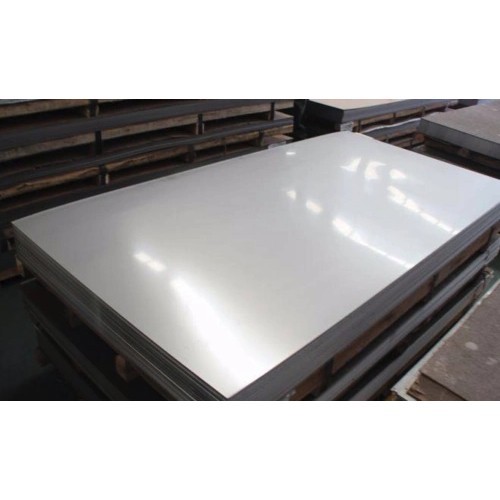
M42 high speed steel sheet is a remarkable material widely used in various industrial applications due to its excellent properties. As a supplier of M42 high speed steel sheets, I often encounter inquiries about its specific heat capacity. In this blog post, I will delve into the concept of specific heat capacity, explain what the specific heat capacity of M42 high speed steel sheet is, and discuss its implications in practical use.
Understanding Specific Heat Capacity
Specific heat capacity is a fundamental physical property of a substance. It is defined as the amount of heat energy required to raise the temperature of a unit mass of the substance by one degree Celsius (or one Kelvin). The SI unit for specific heat capacity is joules per kilogram per degree Celsius (J/kg·°C). Different materials have different specific heat capacities, which depend on their molecular structure, atomic composition, and other factors.
The specific heat capacity of a material plays a crucial role in many engineering and scientific applications. For example, in heat transfer processes, it determines how quickly a material can absorb or release heat. Materials with high specific heat capacities can store more heat energy for a given temperature change, while those with low specific heat capacities heat up and cool down more rapidly.
Specific Heat Capacity of M42 High Speed Steel Sheet
M42 high speed steel is a high - performance alloy steel known for its high hardness, wear resistance, and ability to maintain its cutting edge at high temperatures. The specific heat capacity of M42 high speed steel sheet is approximately 460 J/kg·°C. This value is an average estimate, and the actual specific heat capacity may vary slightly depending on factors such as the exact chemical composition of the steel, its manufacturing process, and the presence of any impurities or inclusions.
The relatively moderate specific heat capacity of M42 high speed steel sheet has several implications for its use. On one hand, it allows the material to heat up relatively quickly during processes such as heat treatment or cutting operations. This is beneficial in applications where rapid heating and cooling cycles are required, as it can increase the efficiency of manufacturing processes. On the other hand, the specific heat capacity also affects the material's ability to dissipate heat. During high - speed cutting operations, for example, the heat generated at the cutting edge needs to be dissipated effectively to prevent overheating and tool wear. The specific heat capacity of M42 high speed steel sheet contributes to its overall thermal management capabilities in such applications.
Applications and Considerations
M42 high speed steel sheets are commonly used in the manufacturing of cutting tools, such as drills, end mills, and saw blades. In these applications, the specific heat capacity of the material is an important factor to consider. For instance, when designing a cutting tool, engineers need to ensure that the tool can withstand the heat generated during cutting without losing its hardness and cutting performance. The specific heat capacity of M42 high speed steel helps in determining the appropriate cutting parameters, such as cutting speed and feed rate, to optimize the tool's performance and lifespan.
In addition to cutting tools, M42 high speed steel sheets are also used in other high - stress applications, such as dies and punches. In these applications, the material needs to withstand repeated impacts and high - pressure loads. The specific heat capacity affects how the material responds to the heat generated during these operations, which can impact its mechanical properties and durability over time.
Comparison with Other Steel Sheets
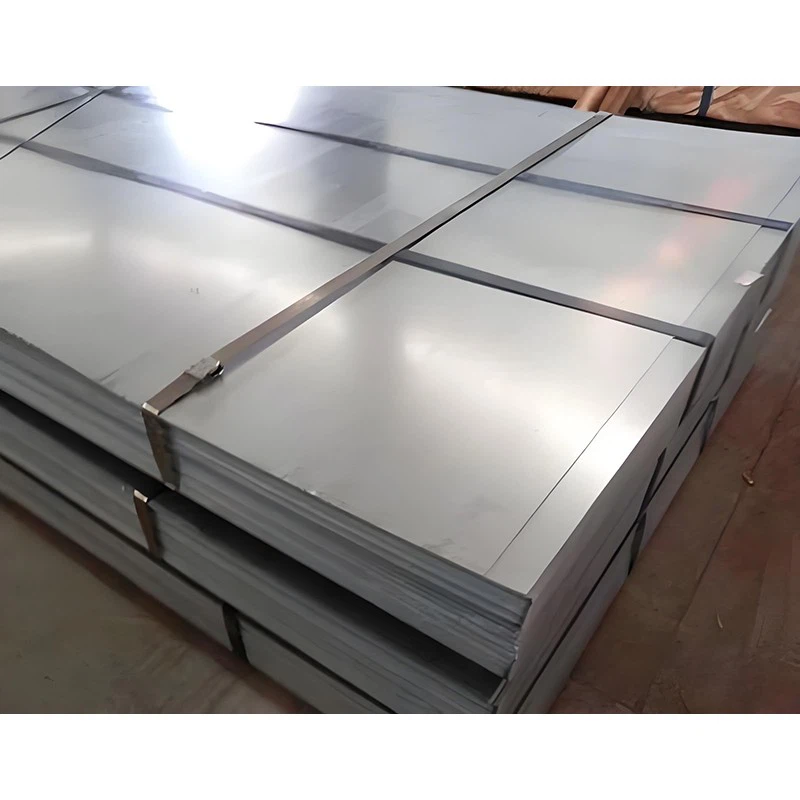
To better understand the significance of the specific heat capacity of M42 high speed steel sheet, it is useful to compare it with other types of steel sheets. Hot Rolled Steel Sheets typically have a specific heat capacity in the range of 450 - 500 J/kg·°C, which is similar to that of M42 high speed steel. However, hot - rolled steel sheets are generally used in structural applications and have different mechanical and thermal properties compared to M42 high speed steel.
Cold Rolled Steel Sheets usually have a slightly lower specific heat capacity, around 420 - 460 J/kg·°C. Cold - rolled steel sheets are known for their smooth surface finish and high dimensional accuracy, but they may not have the same high - temperature performance as M42 high speed steel.
Special Steel Sheet encompasses a wide range of steel alloys with different specific heat capacities depending on their composition. Some special steel sheets may have higher specific heat capacities, which can be advantageous in applications where heat storage or dissipation is critical.
Importance in Manufacturing Processes
In the manufacturing of M42 high speed steel sheets, the specific heat capacity is taken into account during various processes. For example, during heat treatment, the specific heat capacity affects the heating and cooling rates of the steel. Proper heat treatment is essential to achieve the desired hardness, toughness, and other mechanical properties of the M42 high speed steel sheet. If the heating or cooling rates are too fast or too slow, it can lead to internal stresses, cracking, or other defects in the material.
During the forming and machining processes, the specific heat capacity also influences the energy requirements and the thermal behavior of the material. For instance, when machining M42 high speed steel sheets, the heat generated by the cutting tool needs to be managed to prevent tool wear and ensure the quality of the machined surface. Understanding the specific heat capacity of the material helps in selecting the appropriate cutting tools, lubricants, and machining parameters.
Conclusion
The specific heat capacity of M42 high speed steel sheet is an important physical property that affects its performance in various applications. With an approximate value of 460 J/kg·°C, it allows for relatively rapid heating and cooling, which is beneficial in many manufacturing processes. Whether you are involved in the production of cutting tools, dies, or other high - performance components, understanding the specific heat capacity of M42 high speed steel sheet can help you optimize your processes and achieve better results.
If you are interested in purchasing M42 high speed steel sheets or have any questions about their properties and applications, please feel free to contact us. We are committed to providing high - quality products and professional technical support to meet your specific needs.
References
- ASM Handbook Volume 1: Properties and Selection: Irons, Steels, and High - Performance Alloys
- "Metallurgy of High - Speed Steels" by J. A. Taylor
- Technical literature from steel manufacturers and research institutions


