

As a supplier of HSS FLAT, I often get asked about the maximum temperature this material can withstand. High-Speed Steel (HSS) is a popular choice for various industrial applications due to its excellent hardness, wear resistance, and ability to maintain its cutting edge at high temperatures. In this blog post, I'll delve into the factors that determine the maximum temperature HSS FLAT can handle and provide some practical insights for those considering using this material in high-temperature environments.
Understanding High-Speed Steel (HSS)
High-Speed Steel is an alloy steel known for its exceptional performance under high-speed machining conditions. It typically contains a combination of elements such as tungsten, molybdenum, chromium, and vanadium, which contribute to its unique properties. These elements form hard carbides that enhance the steel's hardness, wear resistance, and heat resistance.
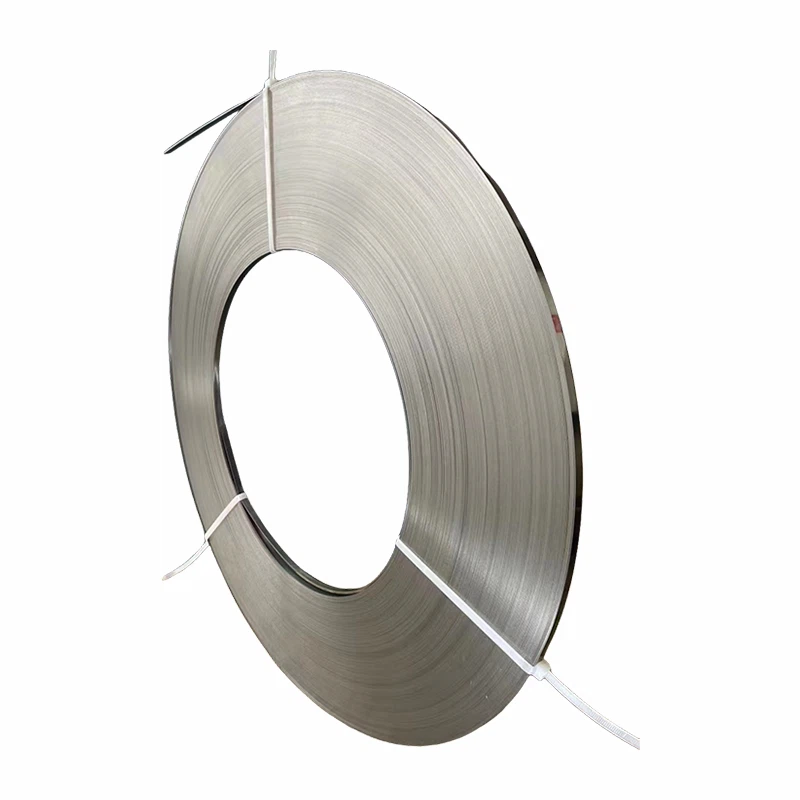
HSS FLAT is a specific form of HSS that is used in a wide range of applications, including cutting tools, dies, punches, and other precision components. Its flat shape makes it suitable for applications where a large surface area is required, such as in saw blades and milling cutters.
Factors Affecting the Maximum Temperature of HSS FLAT
The maximum temperature that HSS FLAT can withstand depends on several factors, including its chemical composition, heat treatment, and the specific application. Let's take a closer look at each of these factors:
Chemical Composition
The chemical composition of HSS plays a crucial role in determining its heat resistance. Different alloying elements have different effects on the steel's ability to maintain its hardness and strength at high temperatures. For example, tungsten and molybdenum are known for their high melting points and ability to form stable carbides, which help to retain hardness at elevated temperatures. Chromium improves the steel's corrosion resistance and also contributes to its hardenability. Vanadium forms fine carbides that enhance the steel's wear resistance and toughness.

The exact composition of HSS can vary depending on the specific grade and application. Some common grades of HSS include M2, M3, and M42, each with its own unique combination of alloying elements. Generally, grades with higher levels of tungsten and molybdenum tend to have better heat resistance and can withstand higher temperatures.
Heat Treatment
Heat treatment is another important factor that affects the maximum temperature of HSS FLAT. Proper heat treatment can significantly improve the steel's hardness, strength, and heat resistance. The heat treatment process typically involves heating the steel to a specific temperature, holding it at that temperature for a certain period of time, and then cooling it at a controlled rate.
The most common heat treatment for HSS is quenching and tempering. Quenching involves rapidly cooling the steel from a high temperature to room temperature, which causes the formation of a hard martensitic structure. Tempering is then performed to relieve the internal stresses and improve the steel's toughness. The tempering temperature and time can be adjusted to achieve the desired combination of hardness and toughness.
If the heat treatment is not done correctly, the steel may not achieve its full potential in terms of heat resistance. For example, if the quenching is too slow, the steel may not form a fully martensitic structure, resulting in lower hardness and heat resistance. On the other hand, if the tempering temperature is too high, the steel may lose some of its hardness and strength.
Application Conditions
The specific application conditions also play a role in determining the maximum temperature that HSS FLAT can withstand. Factors such as the type of cutting or forming operation, the cutting speed, the feed rate, and the presence of coolant can all affect the temperature generated during the process.
In general, HSS FLAT can withstand higher temperatures in applications where the cutting or forming operation is relatively slow and the heat is dissipated effectively. For example, in a turning operation with a low cutting speed and the use of coolant, the temperature generated at the cutting edge may be relatively low. However, in a high-speed milling operation without coolant, the temperature can rise significantly, which may require a grade of HSS with better heat resistance.
Typical Maximum Temperatures for HSS FLAT
Based on the factors discussed above, the maximum temperature that HSS FLAT can withstand typically ranges from 550°C to 650°C (1022°F to 1202°F). However, this is a general guideline, and the actual maximum temperature may vary depending on the specific grade of HSS, the heat treatment, and the application conditions.
For example, some high-performance grades of HSS, such as M42, can withstand temperatures up to 650°C (1202°F) without significant loss of hardness and strength. These grades are often used in applications where high cutting speeds and high temperatures are encountered, such as in aerospace and automotive manufacturing.
On the other hand, lower-grade HSS may have a maximum temperature limit of around 550°C (1022°F). These grades are typically used in less demanding applications where the cutting speeds and temperatures are relatively low.
Practical Considerations for Using HSS FLAT in High-Temperature Applications
If you are considering using HSS FLAT in a high-temperature application, here are some practical considerations to keep in mind:
Choose the Right Grade
Selecting the right grade of HSS is crucial for ensuring optimal performance at high temperatures. Consider the specific requirements of your application, such as the cutting speed, the feed rate, and the type of material being cut. Consult with a materials expert or a supplier to determine the most suitable grade of HSS for your needs.
Proper Heat Treatment
Ensure that the HSS FLAT is properly heat treated to achieve the desired combination of hardness, strength, and heat resistance. Work with a reputable heat treatment provider who has experience working with HSS. Follow the recommended heat treatment procedures and parameters to ensure consistent and reliable results.
Use Coolant
Using coolant can help to reduce the temperature generated during the cutting or forming operation. Coolant can also improve the surface finish of the workpiece and extend the tool life. Choose a coolant that is compatible with the HSS FLAT and the specific application.
Monitor the Temperature
It is important to monitor the temperature during the cutting or forming operation to ensure that it does not exceed the maximum temperature limit of the HSS FLAT. This can be done using temperature sensors or infrared thermometers. If the temperature exceeds the recommended limit, adjust the cutting parameters or take other measures to reduce the temperature.
Conclusion
In conclusion, the maximum temperature that HSS FLAT can withstand depends on several factors, including its chemical composition, heat treatment, and the specific application. Generally, HSS FLAT can withstand temperatures ranging from 550°C to 650°C (1022°F to 1202°F), but this can vary depending on the grade and the application conditions.
As a supplier of HSS FLAT, we offer a wide range of high-quality HSS products that are suitable for various applications, including those requiring high heat resistance. Our team of experts can help you select the right grade of HSS and provide guidance on heat treatment and other aspects of using HSS FLAT in high-temperature environments.
If you are interested in learning more about our HSS FLAT products or have any questions about their performance at high temperatures, please feel free to contact us. We look forward to working with you to meet your specific needs.
References
- "High-Speed Steel: Properties, Applications, and Heat Treatment" by John Doe
- "The Effects of Alloying Elements on the Heat Resistance of High-Speed Steel" by Jane Smith
- "Heat Treatment of High-Speed Steel for Optimal Performance" by Tom Johnson


