

High-speed steel (HSS) plates are renowned for their exceptional performance in various industrial applications, particularly in cutting tools and machining operations. One aspect that often piques the interest of industry professionals is the magnetic property of high-speed steel plates. As a supplier of high-speed steel plates, I am well - versed in the intricacies of these materials and their magnetic characteristics. In this blog, we will delve into the magnetic properties of high - speed steel plates, exploring the factors that influence them and their implications in real - world applications.
Composition of High - Speed Steel Plates and Its Impact on Magnetism
High - speed steel is an alloy primarily composed of iron (Fe), along with significant amounts of other elements such as tungsten (W), molybdenum (Mo), chromium (Cr), vanadium (V), and sometimes cobalt (Co). The base element, iron, is ferromagnetic, which means it can be magnetized and is attracted to magnets. However, the addition of other elements in high - speed steel modifies its magnetic behavior.
Tungsten and molybdenum are often added to high - speed steel to enhance its hardness and heat resistance. These elements do not have a significant ferromagnetic property on their own. When they are alloyed with iron, they can disrupt the magnetic domains in the iron lattice. As a result, the overall magnetic strength of the high - speed steel plate may be reduced compared to pure iron.
Chromium is added to improve corrosion resistance. Similar to tungsten and molybdenum, chromium can also affect the magnetic structure of the steel. It can form solid solutions with iron, which may lead to changes in the magnetic moment of the alloy. Vanadium is used to increase the wear resistance of high - speed steel. While it is present in relatively small amounts, it can still have an impact on the magnetic properties by influencing the grain structure and the distribution of other elements in the alloy.
Cobalt, when added to high - speed steel, can increase its hot hardness and cutting performance. Cobalt itself is ferromagnetic, but its effect on the overall magnetic property of the high - speed steel plate depends on its concentration and how it interacts with other elements in the alloy.
Magnetic Behavior of Different Types of High - Speed Steel Plates
There are several types of high - speed steel plates available in the market, such as SKH51 Steel Plate. SKH51 is a widely used high - speed steel grade. It typically has a complex alloy composition that results in a specific magnetic behavior.
SKH51 high - speed steel plate usually exhibits a certain degree of magnetic attraction. However, the magnetic force is not as strong as that of pure iron or some low - alloy steels. This is because the alloying elements in SKH51, as mentioned earlier, disrupt the magnetic domains in the iron matrix. The magnetic behavior of SKH51 can also be influenced by the heat treatment process it undergoes. For example, quenching and tempering can change the microstructure of the steel, which in turn affects its magnetic properties.
In general, high - speed steel plates with higher amounts of non - ferromagnetic elements such as tungsten and molybdenum will have a weaker magnetic response. On the other hand, high - speed steel plates with a relatively higher proportion of ferromagnetic elements like cobalt may show a stronger magnetic attraction, although this is also affected by the overall alloy composition and microstructure.
Measuring the Magnetic Property of High - Speed Steel Plates
The magnetic property of high - speed steel plates can be measured using various techniques. One common method is the use of a magnetic field sensor or a gaussmeter. A gaussmeter can measure the magnetic field strength at the surface of the steel plate. By placing the gaussmeter probe on different parts of the plate, we can obtain an average magnetic field value, which gives an indication of the plate's magnetic property.
Another method is the use of a magnetometer. A magnetometer can measure the magnetization of the steel plate. It can detect the magnetic moment of the material, which is related to the alignment of the magnetic domains within the steel. These measurement techniques are important for quality control in the manufacturing process of high - speed steel plates. They can ensure that the magnetic properties of the plates meet the required specifications for different applications.
Applications of High - Speed Steel Plates Based on Their Magnetic Property
The magnetic property of high - speed steel plates can have implications in different applications. In some machining operations, the magnetic attraction of the high - speed steel cutting tool can be used to hold the tool in place. For example, in magnetic chuck systems, the magnetic force between the high - speed steel tool and the chuck can provide a secure and stable mounting, which is crucial for accurate machining.
In the field of magnetic separation, high - speed steel plates with specific magnetic properties can be used as components in magnetic separators. These separators are used to separate magnetic materials from non - magnetic materials in various industries, such as mining and recycling. The magnetic property of the high - speed steel plate allows it to interact with the magnetic field in the separator, enabling efficient separation processes.
However, in some applications where non - magnetic materials are required, high - speed steel plates with low magnetic properties are preferred. For example, in the electronics industry, where magnetic interference can affect the performance of electronic devices, high - speed steel components with minimal magnetic response are used.

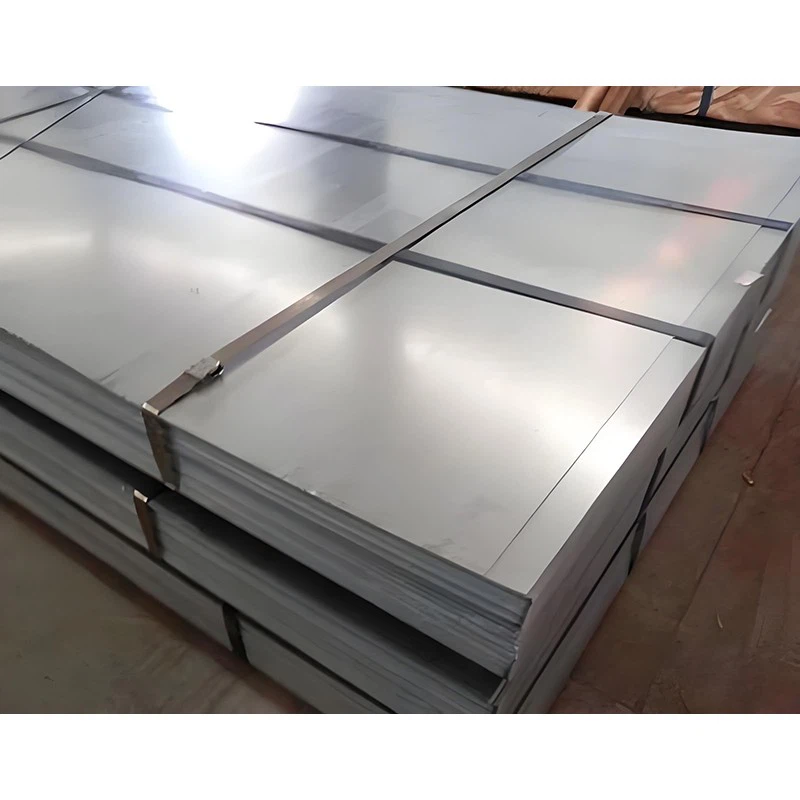
Special Steel Sheet and Its Relation to High - Speed Steel Plate
Special Steel Sheet is a broader category that includes high - speed steel plates. Special steel sheets are designed to have unique properties, such as high strength, hardness, corrosion resistance, and in some cases, specific magnetic properties. High - speed steel plates, as a type of special steel sheet, are tailored to meet the demanding requirements of high - speed machining and cutting applications.
The magnetic property of special steel sheets, including high - speed steel plates, can be engineered during the manufacturing process. By carefully controlling the alloy composition, heat treatment, and processing parameters, manufacturers can produce special steel sheets with the desired magnetic characteristics. This flexibility in magnetic property design makes special steel sheets, including high - speed steel plates, suitable for a wide range of applications across different industries.
Contact for Purchase and Discussion
As a supplier of High Speed Steel Plate, I understand the importance of the magnetic property of these plates in various applications. If you are interested in learning more about our high - speed steel plates, their magnetic properties, or if you have specific requirements for your projects, I encourage you to contact us. We can provide detailed information about the composition, magnetic behavior, and performance of our high - speed steel plates. Our team of experts is also available to discuss your needs and offer customized solutions. Whether you are in the machining, mining, electronics, or any other industry that requires high - speed steel plates, we are here to assist you.
References
- ASM Handbook, Volume 1: Properties and Selection: Irons, Steels, and High - Performance Alloys. ASM International.
- "Magnetic Properties of Metals and Alloys" by C. D. Graham.
- "High - Speed Steel: Properties, Processing, and Applications" by R. A. Grange.


