

As a supplier of hot rolled steel sheets, I often get asked about the hardness of these products. Hardness is a crucial property in steel sheets, as it directly impacts their performance in various applications. In this blog post, I'll delve into what hardness means in the context of hot rolled steel sheets, the factors that influence it, and how it affects their usability.
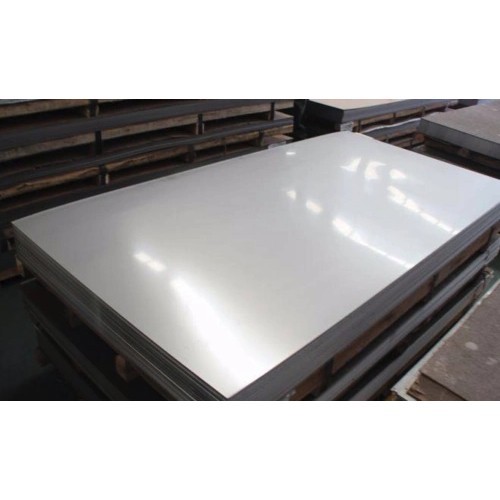

Understanding Hardness in Steel
Hardness can be defined as a material's resistance to localized deformation, such as indentation, scratching, or wear. In the case of hot rolled steel sheets, hardness is a measure of how well the steel can withstand these forces without losing its structural integrity. There are several methods to measure hardness, with the most common ones being the Brinell, Rockwell, and Vickers hardness tests.
The Brinell hardness test involves pressing a hard steel or carbide ball of a specified diameter into the surface of the steel sheet under a known load. The diameter of the resulting indentation is then measured, and the Brinell hardness number (BHN) is calculated. This test is suitable for measuring the hardness of relatively large and thick steel sheets.
The Rockwell hardness test, on the other hand, measures the depth of penetration of an indenter (either a diamond cone or a hardened steel ball) into the steel surface under a minor and a major load. The difference in the depth of penetration is used to determine the Rockwell hardness number. This test is quick and easy to perform, making it a popular choice for quality control in manufacturing.
The Vickers hardness test uses a square-based pyramid indenter to make an indentation on the steel surface. The diagonal lengths of the indentation are measured, and the Vickers hardness number (HV) is calculated. This test is more accurate than the Brinell and Rockwell tests, especially for measuring the hardness of thin steel sheets and small parts.
Factors Affecting the Hardness of Hot Rolled Steel Sheets
The hardness of hot rolled steel sheets is influenced by several factors, including the chemical composition of the steel, the rolling process, and the heat treatment.
Chemical Composition
The chemical composition of the steel plays a significant role in determining its hardness. The main alloying elements in steel, such as carbon, manganese, silicon, chromium, and nickel, can all affect the hardness of the steel. Carbon is the most important element in steel, as it forms carbides with other elements, which increase the hardness and strength of the steel. The higher the carbon content, the harder the steel will be. However, too much carbon can make the steel brittle and difficult to work with.
Manganese is another important alloying element in steel. It helps to improve the hardenability of the steel, which means that it can be hardened more easily by heat treatment. Silicon is used to deoxidize the steel and improve its strength and hardness. Chromium and nickel are often added to steel to improve its corrosion resistance and toughness.
Rolling Process
The rolling process also has a significant impact on the hardness of hot rolled steel sheets. During the hot rolling process, the steel is heated to a high temperature and then passed through a series of rollers to reduce its thickness and shape it into a sheet. The temperature at which the steel is rolled, the speed of the rollers, and the amount of reduction in thickness can all affect the hardness of the steel sheet.
If the steel is rolled at a high temperature, it will have a lower hardness because the grains in the steel will be larger and more elongated. On the other hand, if the steel is rolled at a lower temperature, it will have a higher hardness because the grains in the steel will be smaller and more equiaxed. The speed of the rollers also affects the hardness of the steel sheet. A higher roller speed can result in a higher hardness because it increases the strain rate of the steel.
Heat Treatment
Heat treatment is a process used to alter the physical and mechanical properties of steel. It involves heating the steel to a specific temperature and then cooling it at a controlled rate. There are several types of heat treatment processes, including annealing, normalizing, quenching, and tempering.
Annealing is a heat treatment process that involves heating the steel to a high temperature and then cooling it slowly. This process is used to soften the steel and improve its ductility. Normalizing is similar to annealing, but the steel is cooled in air instead of in a furnace. This process is used to refine the grain structure of the steel and improve its strength and hardness.
Quenching is a heat treatment process that involves heating the steel to a high temperature and then cooling it rapidly in a quenching medium, such as water, oil, or air. This process is used to harden the steel by forming a martensitic structure. However, quenching can also make the steel brittle, so it is often followed by tempering.
Tempering is a heat treatment process that involves heating the quenched steel to a lower temperature and then cooling it slowly. This process is used to reduce the brittleness of the steel and improve its toughness. The tempering temperature and time can be adjusted to achieve the desired hardness and toughness of the steel.
Importance of Hardness in Hot Rolled Steel Sheets
The hardness of hot rolled steel sheets is an important property that affects their performance in various applications. Here are some of the key reasons why hardness is important:
Wear Resistance
Hardness is directly related to the wear resistance of steel sheets. A harder steel sheet will be more resistant to wear and abrasion, making it suitable for applications where the sheet will be subjected to high levels of friction and wear, such as in the manufacturing of machinery parts, automotive components, and construction materials.
Strength and Durability
Hardness is also an indicator of the strength and durability of steel sheets. A harder steel sheet will have a higher yield strength and tensile strength, which means that it can withstand higher loads and stresses without deforming or breaking. This makes it suitable for applications where the sheet will be subjected to high levels of stress, such as in the construction of bridges, buildings, and ships.
Machinability
The hardness of steel sheets can also affect their machinability. A harder steel sheet will be more difficult to machine, as it will require more cutting force and can cause more wear on the cutting tools. However, a steel sheet that is too soft can also be difficult to machine, as it can cause the chips to stick to the cutting tools and result in poor surface finish. Therefore, it is important to choose a steel sheet with the appropriate hardness for the machining process.
Different Types of Hot Rolled Steel Sheets and Their Hardness
There are several different types of hot rolled steel sheets available on the market, each with its own unique properties and hardness levels. Here are some of the most common types of hot rolled steel sheets and their typical hardness ranges:
Carbon Steel Sheets
Carbon steel sheets are the most common type of hot rolled steel sheets. They are made primarily of iron and carbon, with small amounts of other alloying elements. The hardness of carbon steel sheets can vary depending on the carbon content and the heat treatment. Low carbon steel sheets (less than 0.3% carbon) are relatively soft and have a low hardness, making them suitable for applications where formability is important, such as in the manufacturing of automotive body panels and household appliances. Medium carbon steel sheets (0.3% - 0.6% carbon) have a higher hardness and strength, making them suitable for applications where wear resistance and strength are important, such as in the manufacturing of machinery parts and tools. High carbon steel sheets (greater than 0.6% carbon) have the highest hardness and strength, making them suitable for applications where extreme wear resistance and hardness are required, such as in the manufacturing of cutting tools and springs.
Alloy Steel Sheets
Alloy steel sheets are made by adding one or more alloying elements to carbon steel. The alloying elements can improve the hardness, strength, toughness, and corrosion resistance of the steel. Some common alloying elements used in alloy steel sheets include chromium, nickel, molybdenum, and vanadium. The hardness of alloy steel sheets can vary depending on the type and amount of alloying elements added, as well as the heat treatment. Alloy steel sheets are often used in applications where high strength, wear resistance, and corrosion resistance are required, such as in the manufacturing of aerospace components, oil and gas pipelines, and automotive engine parts.
Stainless Steel Sheets
Stainless steel sheets are a type of alloy steel that contains at least 10.5% chromium. The chromium forms a passive oxide layer on the surface of the steel, which protects it from corrosion. Stainless steel sheets are known for their excellent corrosion resistance, high strength, and good formability. The hardness of stainless steel sheets can vary depending on the type and grade of stainless steel, as well as the heat treatment. Austenitic stainless steel sheets, which are the most common type of stainless steel sheets, are relatively soft and have a low hardness, making them suitable for applications where formability and corrosion resistance are important, such as in the manufacturing of kitchen appliances and architectural structures. Ferritic and martensitic stainless steel sheets have a higher hardness and strength, making them suitable for applications where wear resistance and strength are important, such as in the manufacturing of cutlery and surgical instruments.
Conclusion
In conclusion, the hardness of hot rolled steel sheets is a crucial property that affects their performance in various applications. The hardness of steel sheets is influenced by several factors, including the chemical composition, the rolling process, and the heat treatment. Understanding these factors and how they affect the hardness of steel sheets can help you choose the right type of steel sheet for your specific application.
As a supplier of hot rolled steel sheets, I offer a wide range of products with different hardness levels to meet the needs of my customers. Whether you need a soft and formable steel sheet for a specific application or a hard and wear-resistant steel sheet for a more demanding application, I can provide you with the right product.
If you are interested in purchasing hot rolled steel sheets or have any questions about the hardness or other properties of our products, please feel free to contact me. I would be happy to discuss your requirements and provide you with a quote.
References
- ASM Handbook, Volume 1: Properties and Selection: Irons, Steels, and High-Performance Alloys
- Metals Handbook, Volume 8: Mechanical Testing and Evaluation
- Steel Design Manual, American Institute of Steel Construction
You can also check out our SKH51 Steel Plate, Special Steel Sheet, and M42 High Speed Steel Sheet for more specialized steel products.


