

What is the fatigue strength of cold rolled steel sheets?
As a supplier of cold rolled steel sheets, I often encounter inquiries about the fatigue strength of these products. Fatigue strength is a crucial property, especially in applications where the steel sheets are subjected to repeated loading and unloading cycles. In this blog, I will delve into what fatigue strength is, how it relates to cold rolled steel sheets, and its significance in various industries.
Understanding Fatigue Strength
Fatigue strength refers to the maximum stress that a material can withstand for a specified number of cycles without failing. When a material is under cyclic loading, even if the applied stress is below its ultimate tensile strength, it can still develop cracks over time. These cracks gradually grow with each cycle until the material finally fractures. This phenomenon is known as fatigue failure.
The fatigue strength of a material is typically determined through fatigue testing. In a fatigue test, a specimen of the material is subjected to a cyclic load, and the number of cycles it can endure before failure is recorded. The stress level is then varied, and the test is repeated to establish a relationship between the stress amplitude and the number of cycles to failure. This relationship is often represented by an S - N curve, where S is the stress amplitude and N is the number of cycles.
Factors Affecting the Fatigue Strength of Cold Rolled Steel Sheets
1. Material Composition
The chemical composition of cold rolled steel sheets plays a significant role in determining their fatigue strength. Elements such as carbon, manganese, silicon, and alloying elements like chromium, nickel, and molybdenum can have a profound impact. For example, increasing the carbon content can generally improve the strength of the steel, which may also enhance its fatigue strength to some extent. However, too high a carbon content can make the steel more brittle, reducing its ability to withstand cyclic loading.
2. Microstructure
The microstructure of cold rolled steel sheets is another important factor. Cold rolling involves passing the steel through a series of rollers at room temperature, which can refine the grain structure of the steel. A finer grain structure usually leads to higher fatigue strength because it provides more barriers to crack propagation. Additionally, the presence of phases such as ferrite, pearlite, and bainite in the microstructure can also affect the fatigue behavior of the steel.
3. Surface Finish
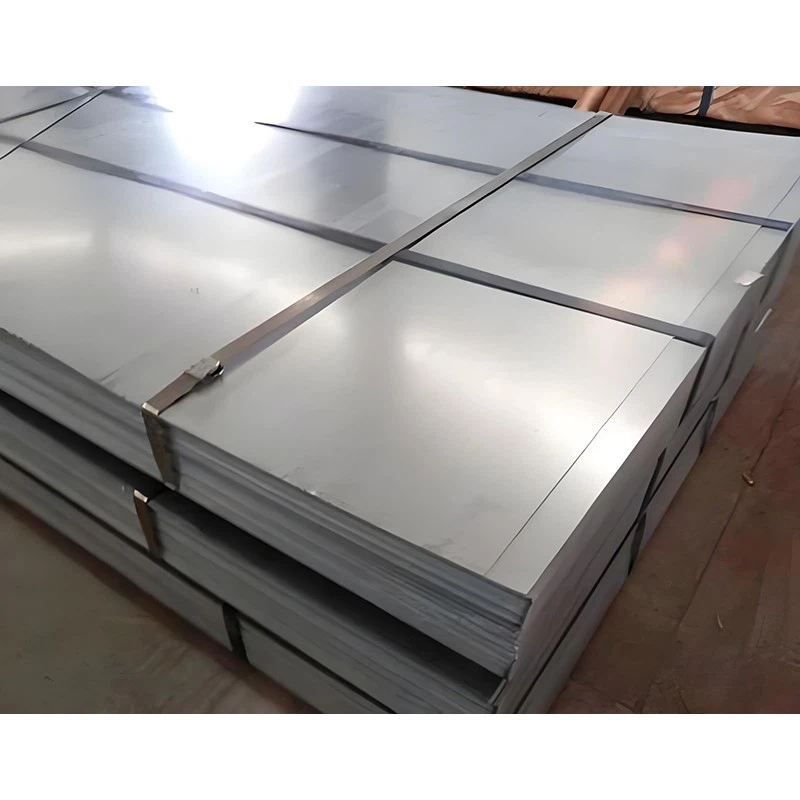
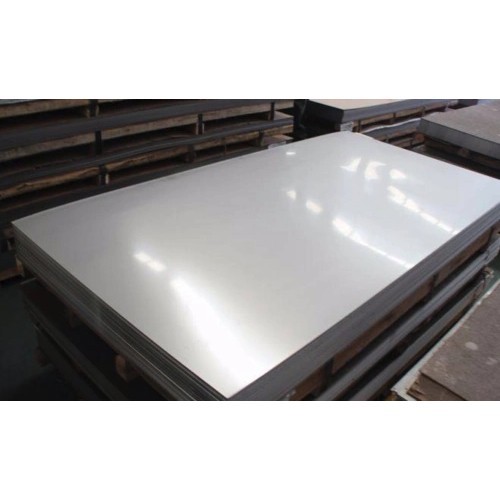
The surface finish of cold rolled steel sheets can significantly influence their fatigue strength. A smooth surface finish reduces the stress concentration at the surface, which in turn decreases the likelihood of crack initiation. On the other hand, rough surfaces, scratches, or surface defects can act as stress raisers, accelerating the crack initiation process and reducing the fatigue life of the steel sheets.
4. Residual Stress
Cold rolling can introduce residual stresses in the steel sheets. These residual stresses can either enhance or reduce the fatigue strength depending on their nature and magnitude. Compressive residual stresses on the surface of the steel sheets can improve fatigue strength by counteracting the applied tensile stresses during cyclic loading. Conversely, tensile residual stresses can promote crack initiation and propagation, leading to a decrease in fatigue strength.
Significance of Fatigue Strength in Different Industries
1. Automotive Industry
In the automotive industry, cold rolled steel sheets are widely used for manufacturing various components such as body panels, chassis parts, and engine components. These components are often subjected to cyclic loading during the operation of the vehicle, such as vibrations, shocks, and repeated bending. Therefore, high fatigue strength is essential to ensure the long - term reliability and safety of the automotive parts. For example, the fatigue strength of the steel used in the suspension system is crucial to prevent premature failure and ensure a smooth ride.
2. Construction Industry
In construction, cold rolled steel sheets are used for roofing, wall cladding, and structural components. These applications may be exposed to wind loads, seismic forces, and temperature variations, which can cause cyclic loading on the steel sheets. A high fatigue strength is necessary to ensure the durability of the structures over their service life. For instance, in high - rise buildings, the steel sheets used in the curtain wall system need to withstand the cyclic wind forces without failing.
3. Manufacturing Industry
In the manufacturing industry, cold rolled steel sheets are used to produce a wide range of products, including machinery parts, appliances, and furniture. These products often experience repeated use and loading, which requires the steel sheets to have good fatigue resistance. For example, the steel sheets used in the manufacturing of conveyor belts need to withstand the cyclic tension and bending forces during the operation of the conveyor system.
Comparison with Other Types of Steel Sheets
It is also worth comparing the fatigue strength of cold rolled steel sheets with other types of steel sheets. Hot Rolled Steel Sheets are produced at high temperatures, which results in a different microstructure and mechanical properties compared to cold rolled steel sheets. Generally, cold rolled steel sheets have a higher surface finish and better dimensional accuracy, which can contribute to a higher fatigue strength in some cases.
Special Steel Sheet and M42 High Speed Steel Sheet are designed for specific applications and may have different fatigue strength characteristics. Special steel sheets are often alloyed with specific elements to achieve enhanced properties such as corrosion resistance, high - temperature resistance, or wear resistance. The fatigue strength of these special steel sheets depends on their composition and the manufacturing process. M42 high - speed steel sheets are known for their high hardness and wear resistance, which can also affect their fatigue behavior.
Our Cold Rolled Steel Sheets and Fatigue Strength
As a supplier of cold rolled steel sheets, we are committed to providing products with excellent fatigue strength. We carefully control the material composition, manufacturing process, and surface finish of our steel sheets to ensure optimal fatigue performance. Our quality control measures include strict chemical analysis, microstructure examination, and fatigue testing to guarantee that our products meet the highest standards.
We understand that different industries have different requirements for fatigue strength. Therefore, we offer a wide range of cold rolled steel sheets with varying thicknesses, widths, and mechanical properties to meet the specific needs of our customers. Whether you are in the automotive, construction, or manufacturing industry, we can provide you with the right cold rolled steel sheets for your application.
Contact Us for Purchase and Negotiation
If you are interested in our cold rolled steel sheets and would like to discuss your specific requirements, we invite you to contact us. Our team of experts is ready to provide you with detailed information, technical support, and competitive pricing. We believe that through open communication and cooperation, we can establish a long - term partnership and meet your steel sheet needs effectively.
References
- ASM Handbook, Volume 19: Fatigue and Fracture, ASM International.
- Metals Handbook Desk Edition, 3rd Edition, ASM International.
- "Mechanical Behavior of Materials" by Donald R. Askeland and Pradeep P. Phule.


