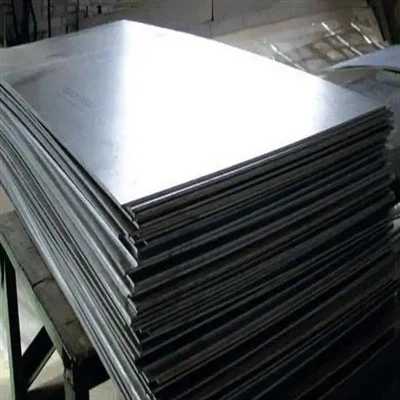
Hey there, folks! I'm in the steel plate supply business, and I often get asked, "What's the difference between domestic and imported steel plates?" Well, let's dive right into it and break down the nitty - gritty details.
Quality and Standards
One of the most significant differences is the quality and standards. Domestic steel plates are usually manufactured according to local industry standards. In countries with well - developed steel industries, these standards are pretty strict. For example, in the U.S., the American Society for Testing and Materials (ASTM) sets a bunch of standards for steel products. Domestic steel mills have to adhere to these rules, which means the quality is generally well - regulated.
On the other hand, imported steel plates come from different countries, each with its own set of standards. Some countries might have very high - end standards similar to or even stricter than domestic ones. For instance, Japanese and German steel is world - renowned for its high quality. But there are also some regions where the standards might not be as strict. So, when you're buying imported steel, you really need to do your homework on the origin and the specific standards it meets.
If you're into high - end applications, you might want to check out our High Speed Steel Plate. It's made with top - notch quality control, whether it's domestic or imported.
Cost
Cost is a major factor that often influences the choice between domestic and imported steel plates. Domestic steel plates usually have lower transportation costs since they don't need to be shipped across long distances. Also, there are no additional import duties, which can add a significant amount to the overall price.
However, in some cases, imported steel can be cheaper. This might be due to lower labor costs in the producing country or overcapacity in the international market. But beware, sometimes a super - low price might mean compromised quality. You really have to weigh the cost against the quality and your specific requirements.
We offer a range of cost - effective steel plates. If you're on a budget but still need good quality, our Hot Rolled Steel Sheets are a great option. You'll find that they give you a good balance between price and performance.
Availability and Lead Time
Domestic steel plates usually have better availability. Since they are produced locally, you can get them more quickly, especially for standard sizes and grades. This is a huge advantage if you have a tight production schedule. You don't have to worry about shipping delays or all the red - tape involved in international trade.
Imported steel plates, on the other hand, can take a lot longer to arrive. Shipping can take weeks or even months, depending on the origin and the shipping route. Plus, there are customs clearance procedures that can cause further delays. So, if you need steel plates urgently, domestic is probably the way to go.
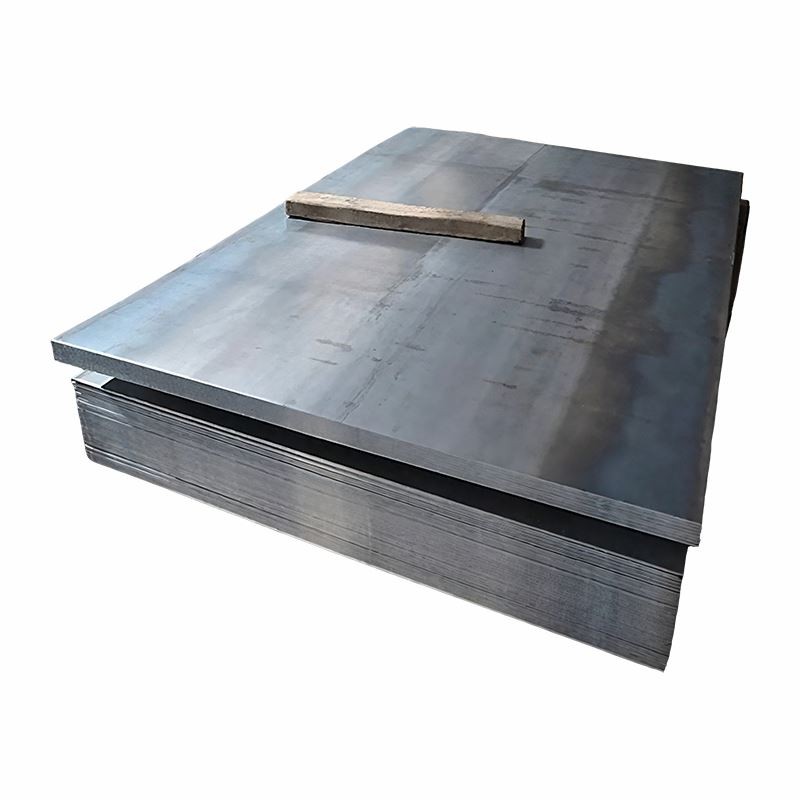

Customization
When it comes to customization, domestic steel suppliers often have an edge. They are closer to the market and can better understand your specific needs. They can also respond more quickly to customization requests. For example, if you need a specific thickness or a special surface treatment for your steel plate, a domestic supplier can usually accommodate you faster.
Imported steel suppliers might have limitations in terms of customization. They might be more focused on mass - producing standard products for the international market. However, some high - end imported steel manufacturers do offer customization options, but it might come at a higher cost and a longer lead time.
If you're looking for some unique steel products, our Special Steel Sheet can be customized to fit a wide range of your special requirements.
Environmental and Social Responsibility
In recent years, environmental and social responsibility have become important factors in purchasing decisions. Domestic steel producers are often subject to strict environmental regulations. They are required to reduce emissions, recycle waste, and ensure a safe working environment for their employees.
Imported steel plates might come from countries with different levels of environmental and social regulations. Some countries are very environmentally conscious and have similar, if not stricter, regulations than domestic ones. But others might have looser rules. So, when you're considering imported steel, make sure to ask about the supplier's environmental and social practices.
Conclusion
So, to sum it up, the difference between domestic and imported steel plates boils down to quality, cost, availability, customization, and environmental and social responsibility. There's no one - size - fits - all answer. It really depends on your specific needs and circumstances.
If you're in the market for steel plates, whether it's for construction, manufacturing, or any other use, I'd love to have a chat with you. We've got a wide range of steel products to offer, and our team is ready to help you make the best choice for your project. Don't hesitate to reach out for a procurement discussion.
References
- "Steel Industry Handbook"
- Articles from industry trade magazines
- Reports on international steel market trends