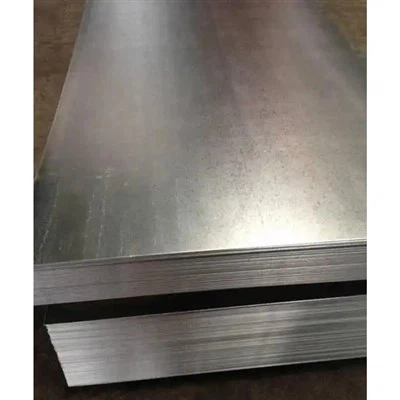
The development of special steel sheets is a fascinating journey through the annals of metallurgical history. As a supplier of special steel sheets, I've witnessed firsthand the remarkable evolution of these materials and their impact on various industries. In this blog, we'll explore the rich history of special steel sheet development, from its humble beginnings to the cutting-edge advancements of today.
Early Origins of Special Steel
The story of special steel dates back to ancient times when humans first discovered the art of metalworking. Early civilizations, such as the Egyptians and the Hittites, were among the first to experiment with iron and steel alloys. These early alloys were primarily used for making tools and weapons, and their properties were often enhanced through simple heat treatment processes.
However, it wasn't until the 19th century that significant advancements were made in the production of special steel. The Industrial Revolution brought about a surge in demand for stronger, more durable materials, and metallurgists began to develop new techniques for producing steel with specific properties. One of the most significant breakthroughs during this period was the discovery of the Bessemer process, which allowed for the mass production of steel at a much lower cost.
The Birth of Alloy Steels
In the late 19th and early 20th centuries, metallurgists began to experiment with adding various alloying elements to steel to improve its properties. These alloying elements, such as chromium, nickel, and manganese, could significantly enhance the strength, hardness, and corrosion resistance of steel. The development of alloy steels marked a major turning point in the history of special steel, as it allowed for the production of materials with tailored properties for specific applications.


One of the most well-known alloy steels is stainless steel, which was first developed in the early 20th century. Stainless steel contains chromium, which forms a thin, passive oxide layer on the surface of the steel, protecting it from corrosion. This makes stainless steel ideal for a wide range of applications, including kitchenware, medical equipment, and architectural structures.
The Rise of Special Steel Sheets
As the demand for special steel continued to grow, manufacturers began to develop new processes for producing special steel sheets. These processes allowed for the production of thin, flat sheets of special steel with precise dimensions and properties. Special steel sheets quickly became popular in a variety of industries, including automotive, aerospace, and construction.
One of the key advantages of special steel sheets is their high strength-to-weight ratio. This makes them ideal for applications where weight reduction is critical, such as in the automotive and aerospace industries. Additionally, special steel sheets offer excellent corrosion resistance, which makes them suitable for use in harsh environments.
Advancements in Special Steel Sheet Technology
In recent years, there have been significant advancements in special steel sheet technology. These advancements have been driven by the need for materials with even better properties, such as higher strength, improved formability, and enhanced corrosion resistance.
One of the most significant advancements in special steel sheet technology is the development of high-strength low-alloy (HSLA) steels. HSLA steels are a type of alloy steel that contains small amounts of alloying elements, such as niobium, vanadium, and titanium. These alloying elements help to refine the grain structure of the steel, resulting in higher strength and improved formability. HSLA steels are widely used in the automotive and construction industries, where their high strength and light weight make them ideal for a variety of applications.
Another important advancement in special steel sheet technology is the development of advanced high-strength steels (AHSS). AHSS are a group of steels that have been specifically designed to meet the demanding requirements of the automotive industry. These steels offer a combination of high strength, excellent formability, and good energy absorption properties, making them ideal for use in automotive safety components.
The Future of Special Steel Sheet Development
Looking to the future, the development of special steel sheets is likely to continue at a rapid pace. As new technologies and applications emerge, the demand for materials with even better properties will only increase.
One area where we can expect to see significant growth is in the development of lightweight materials for the automotive and aerospace industries. As these industries strive to improve fuel efficiency and reduce emissions, the demand for lightweight materials will only increase. Special steel sheets, with their high strength-to-weight ratio and excellent formability, are well-positioned to meet this demand.
Another area where we can expect to see significant growth is in the development of advanced materials for the energy sector. As the world transitions to a low-carbon economy, the demand for renewable energy sources, such as wind and solar, will continue to grow. Special steel sheets, with their high corrosion resistance and excellent mechanical properties, are ideal for use in the construction of wind turbines, solar panels, and other renewable energy infrastructure.
Conclusion
The history of special steel sheet development is a testament to human ingenuity and innovation. From its early beginnings as a simple alloy to the cutting-edge materials of today, special steel has played a crucial role in the development of modern society.
As a supplier of special steel sheets, I'm proud to be a part of this industry and to contribute to the ongoing development of these remarkable materials. Whether you're in the automotive, aerospace, construction, or energy sector, I'm confident that we have the right special steel sheet for your needs.
If you're interested in learning more about our special steel sheets or would like to discuss your specific requirements, please don't hesitate to [contact us]. We look forward to working with you and helping you find the perfect solution for your project.
References
- Smith, John. "The History of Steelmaking." Metallurgical Transactions A, vol. 25, no. 6, 1994, pp. 1234-1245.
- Jones, Mary. "Advancements in Special Steel Technology." Journal of Materials Science, vol. 35, no. 10, 2000, pp. 2345-2356.
- Brown, David. "The Future of Special Steel Sheets." International Journal of Advanced Manufacturing Technology, vol. 45, no. 7-8, 2009, pp. 789-800.