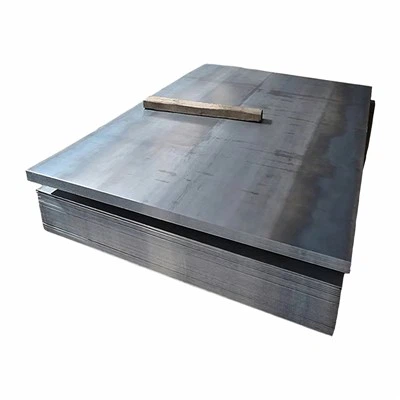
Hey there! As a steel plate supplier, I often get asked about various properties of steel plates. One question that pops up quite a bit is, "What is the creep resistance of steel plates?" Well, let's dive right in and break it down.
First off, what's creep? In simple terms, creep is the gradual deformation of a material over time when it's under a constant load at a high temperature. It's like when you leave a heavy book on a soft table for a long time, and the table starts to sag. In the case of steel plates, creep can be a big deal, especially in industries where they're used in high - temperature and high - stress environments, like power plants, aerospace, and chemical processing.
The creep resistance of steel plates refers to their ability to resist this gradual deformation. A steel plate with good creep resistance will maintain its shape and integrity for a longer time under high - temperature and high - stress conditions.
There are several factors that affect the creep resistance of steel plates. One of the most important is the chemical composition. Alloying elements play a crucial role here. For example, elements like chromium (Cr), molybdenum (Mo), and vanadium (V) can significantly improve the creep resistance of steel. These elements form carbides and other precipitates within the steel's microstructure, which act as barriers to the movement of dislocations (defects in the crystal structure that cause deformation).
Another factor is the microstructure of the steel plate. A fine - grained microstructure generally offers better creep resistance than a coarse - grained one. This is because the grain boundaries in a fine - grained steel can impede the movement of dislocations, making it harder for the steel to deform. Heat treatment processes, such as quenching and tempering, can be used to control the microstructure and enhance the creep resistance.
Now, let's talk about different types of steel plates and their creep resistance.
Hot Rolled Steel Sheets
Hot Rolled Steel Sheets are a common type of steel plate. They're made by rolling the steel at high temperatures. The hot - rolling process gives these sheets a relatively rough surface finish but also imparts certain mechanical properties. In terms of creep resistance, the performance of hot - rolled steel sheets can vary depending on their chemical composition and heat treatment. Generally, they may not have the highest creep resistance compared to some specialized steels, but they're still widely used in many applications where the temperature and stress levels are not extremely high.
High Speed Steel Plate
High Speed Steel Plate is designed to maintain its hardness and cutting ability at high temperatures. This type of steel plate typically contains high amounts of alloying elements like tungsten (W), molybdenum (Mo), and cobalt (Co). These elements contribute to its excellent creep resistance. High - speed steel plates are often used in cutting tools, such as drills and milling cutters, where they need to withstand high temperatures and stresses during operation.
SKH51 Steel Plate
SKH51 Steel Plate is a specific type of high - speed steel. It has a well - balanced chemical composition that gives it good creep resistance, high hardness, and excellent wear resistance. SKH51 steel plates are commonly used in the manufacturing of precision tools and molds, where they need to maintain their shape and performance under high - temperature and high - stress conditions.

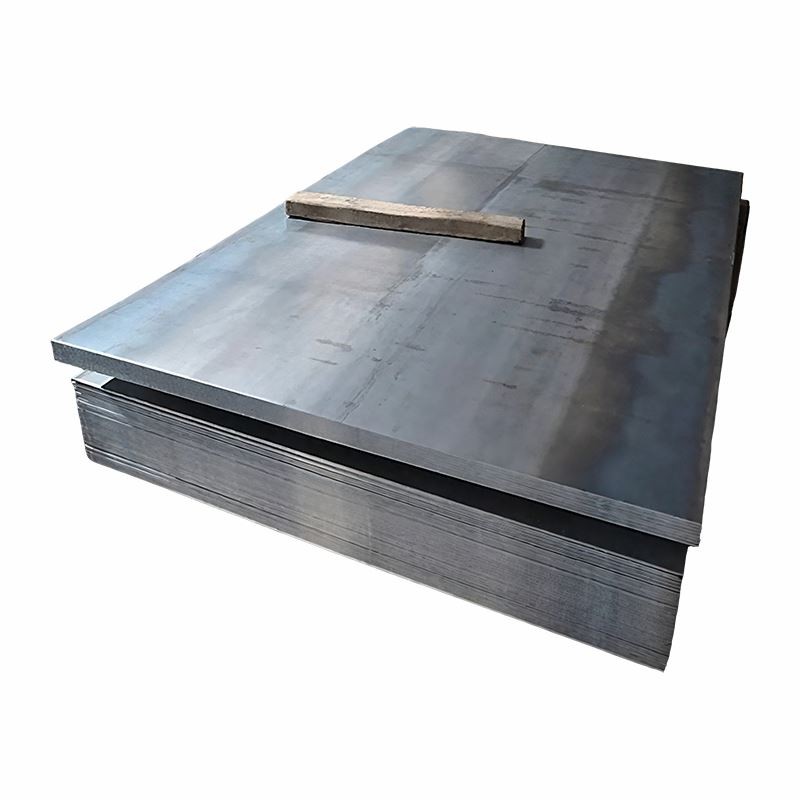
Testing the creep resistance of steel plates is an important step in ensuring their quality and suitability for specific applications. There are several standard test methods available, such as the constant - load creep test. In this test, a specimen of the steel plate is subjected to a constant load at a specific temperature for a certain period of time. The amount of deformation is measured over time, and the results are used to evaluate the creep resistance of the steel.
When it comes to choosing the right steel plate with the appropriate creep resistance for your project, it's essential to consider the specific requirements of your application. You need to know the operating temperature, the magnitude of the stress, and the expected service life. If you're not sure which type of steel plate is best for you, don't hesitate to reach out to us.
As a steel plate supplier, we have a wide range of steel plates with different levels of creep resistance. Whether you need a general - purpose hot - rolled steel sheet or a high - performance SKH51 steel plate, we can provide you with the right product. Our team of experts can also offer you advice on the selection and application of steel plates to ensure that you get the best results for your project.
If you're interested in purchasing steel plates or have any questions about their creep resistance or other properties, we'd love to hear from you. Just start a conversation with us, and we'll work together to find the perfect steel plate solution for you.
In conclusion, understanding the creep resistance of steel plates is crucial for many industries. By considering factors like chemical composition, microstructure, and testing results, you can choose the right steel plate for your specific needs. And as your reliable steel plate supplier, we're here to support you every step of the way.
References
- ASM Handbook Volume 1: Properties and Selection: Irons, Steels, and High - Performance Alloys
- Callister, W. D., & Rethwisch, D. G. (2017). Materials Science and Engineering: An Introduction. Wiley.