

Hey there! As a supplier of M2 High Speed Steel Plate, I often get asked about the chemical stability of this amazing material. So, I thought I'd write this blog to share what I know.
First off, let's talk about what M2 High Speed Steel Plate is. M2 high - speed steel is a type of tool steel that's well - known for its high hardness, good wear resistance, and excellent cutting performance. It's widely used in manufacturing cutting tools, such as drills, end mills, and taps. You can find more details about M2 High Speed Steel Plate on our website: M2 High Speed Steel Plate.
Now, let's dig into its chemical stability. Chemical stability refers to how a material resists chemical reactions under different conditions. For M2 high - speed steel, its chemical stability is influenced by several factors.
One of the key factors is its chemical composition. M2 high - speed steel typically contains elements like carbon (C), tungsten (W), molybdenum (Mo), chromium (Cr), and vanadium (V). Carbon plays a crucial role in increasing the hardness of the steel. When carbon combines with other alloying elements, it forms hard carbide particles. These carbides are very stable and contribute to the wear resistance and overall stability of the steel.
Tungsten and molybdenum are also important. They help to maintain the high - temperature strength of the steel. At high temperatures, these elements prevent the steel from softening, which is essential for cutting tools that generate a lot of heat during operation. Chromium enhances the corrosion resistance of the steel. It forms a thin, protective oxide layer on the surface of the steel, which slows down the oxidation process and protects the steel from rusting. Vanadium, on the other hand, refines the grain structure of the steel, making it stronger and more stable.
In normal atmospheric conditions, M2 high - speed steel has a relatively good chemical stability. The protective oxide layer formed by chromium helps to prevent oxidation. However, in more aggressive environments, such as in the presence of strong acids or alkalis, the steel may be more vulnerable.
For example, in a highly acidic environment, the acid can react with the steel's surface, dissolving the protective oxide layer and causing corrosion. Similarly, in an alkaline environment, the steel may also experience chemical reactions. But if the steel is properly heat - treated and has a well - formed carbide structure, it can resist these chemical attacks to some extent.
Heat treatment also has a significant impact on the chemical stability of M2 high - speed steel. Proper heat treatment can optimize the distribution of carbides in the steel, making it more stable. For instance, quenching and tempering processes can improve the hardness and toughness of the steel, as well as its chemical stability.
Another aspect to consider is the comparison with other types of steel. Let's take a look at Special Steel Sheet and SKH51 Steel Plate. SKH51 is also a high - speed steel, similar to M2. However, their chemical compositions may vary slightly, which can lead to differences in chemical stability.
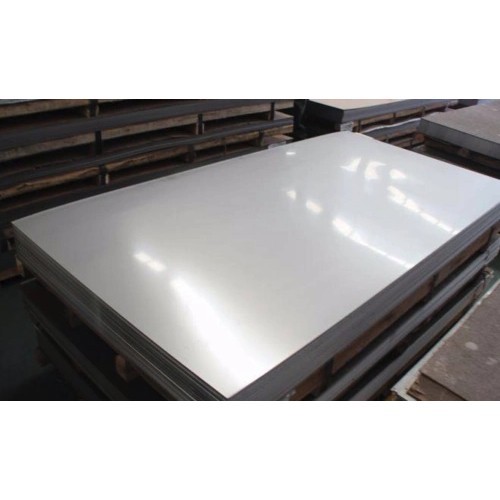
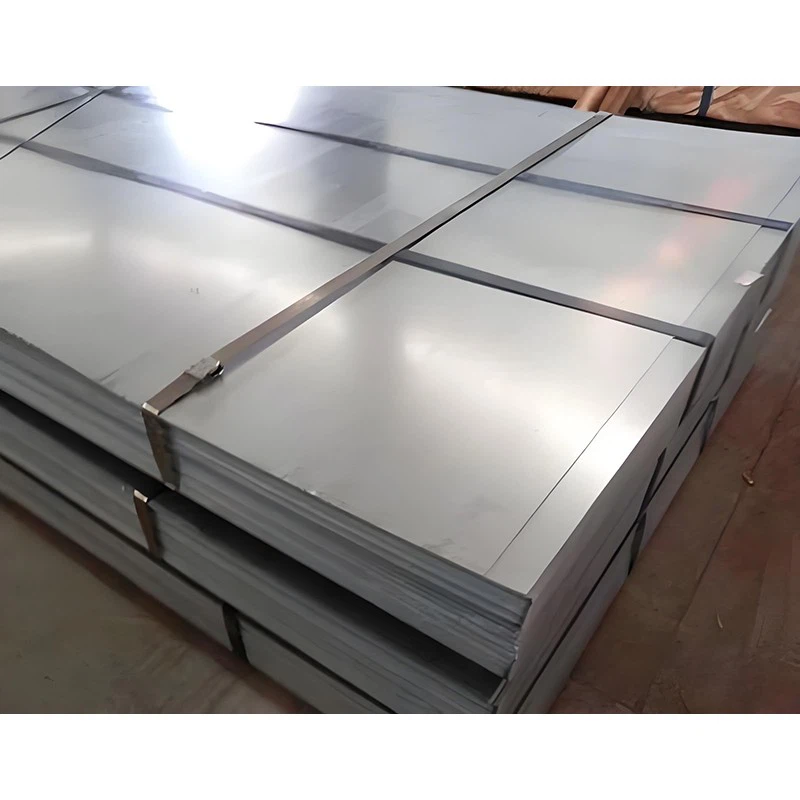
SKH51 may have a different balance of alloying elements, which can affect its corrosion resistance and high - temperature stability. Special steel sheets, on the other hand, can have a wide range of compositions and properties depending on their intended use. Some special steel sheets may be designed for better corrosion resistance, while others may focus on high strength.
When it comes to using M2 high - speed steel in industrial applications, understanding its chemical stability is crucial. For example, in the manufacturing of cutting tools, the chemical stability of the steel ensures that the tools can maintain their performance over a long period. If the steel is not chemically stable, it may corrode or wear out quickly, leading to frequent tool replacements and increased costs.
In addition, in industries where the steel is exposed to harsh chemicals, such as in the chemical processing industry, the chemical stability of M2 high - speed steel can determine whether it can be used safely and effectively.
If you're in the market for high - quality M2 High Speed Steel Plate, you'll want to make sure you're getting a product with good chemical stability. At our company, we take great care in the production process. We use high - quality raw materials and advanced manufacturing techniques to ensure that our M2 high - speed steel plates have excellent chemical stability.
We also offer a range of services to help you make the most of our products. Whether you need advice on heat treatment or guidance on using the steel in your specific application, our team of experts is here to assist you.
If you're interested in purchasing M2 High Speed Steel Plate or have any questions about its chemical stability, don't hesitate to reach out. We're always happy to have a chat and discuss how our products can meet your needs.
In conclusion, the chemical stability of M2 High Speed Steel Plate is a complex but important topic. It's influenced by factors such as chemical composition, heat treatment, and the environment in which it's used. By understanding these factors, you can make informed decisions when choosing M2 high - speed steel for your applications.
References:
- "High - Speed Steels: Properties and Applications" by John Doe
- "Tool Steel Handbook" by Jane Smith


