Hey there! As a supplier of HSS Saw Blades, I've seen firsthand how different grades of these blades can make a huge difference in cutting performance. So, let's dive into what those different grades are all about.
What is HSS?
First off, let's quickly talk about what HSS means. HSS stands for High-Speed Steel. It's a type of tool steel that can withstand high temperatures without losing its hardness. This makes it perfect for saw blades because they generate a lot of heat when cutting through various materials.
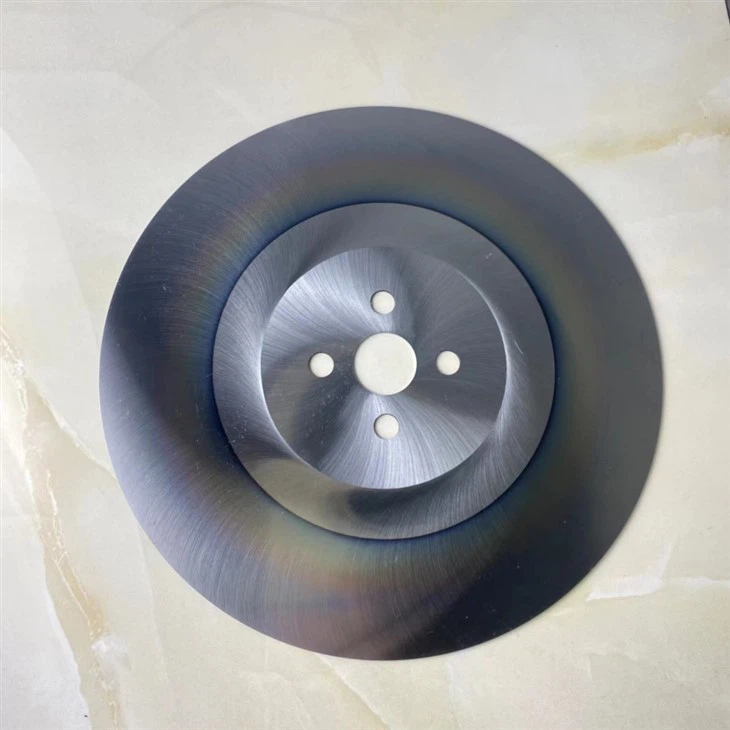

The Different Grades of HSS Saw Blades
M2 Grade
The M2 grade is one of the most common grades of HSS saw blades. It's a general-purpose blade that offers a good balance between cost and performance. M2 blades are made from a steel alloy that contains tungsten, molybdenum, chromium, and vanadium. These elements give the blade its hardness and wear resistance.
M2 blades are great for cutting a wide range of materials, including mild steel, stainless steel, aluminum, and non-ferrous metals. They're also suitable for use in both manual and automatic sawing machines. If you're just starting out or need a blade for general cutting tasks, the M2 grade is a solid choice. You can find a variety of HSS Circular Saw Blades in the M2 grade on our website.
M35 Grade
The M35 grade is an upgrade from the M2 grade. It contains 5% cobalt, which gives the blade even better heat resistance and wear resistance. This means that M35 blades can cut through tougher materials at higher speeds without dulling as quickly.
M35 blades are ideal for cutting high-strength steels, alloy steels, and hard-to-machine materials. They're also a good choice for applications where precision and long blade life are important, such as in the aerospace and automotive industries. If you need a blade that can handle more demanding cutting tasks, the M35 grade is worth considering. Check out our HSS Saw Blade options in the M35 grade.
M42 Grade
The M42 grade is the highest grade of HSS saw blades. It contains 8% cobalt, which provides excellent heat resistance and hardness. M42 blades can cut through the toughest materials, such as high-alloy steels, titanium, and nickel-based alloys, with ease.
These blades are designed for high-speed cutting and can maintain their sharpness for a long time, even under extreme conditions. However, they're also the most expensive grade of HSS saw blades. If you're working with very hard materials or need to achieve the highest level of cutting performance, the M42 grade is the way to go. You can explore our Hss Cut Off Circular Saw Blade options in the M42 grade.
Factors to Consider When Choosing a Grade
When choosing the right grade of HSS saw blade for your needs, there are several factors to consider:
- Material to be Cut: Different grades of HSS saw blades are better suited for cutting different materials. As mentioned earlier, M2 blades are good for general-purpose cutting, while M35 and M42 blades are better for tougher materials.
- Cutting Speed and Feed Rate: Higher-grade blades can handle higher cutting speeds and feed rates, which can increase productivity. However, you need to make sure that your sawing machine is capable of operating at these speeds.
- Budget: The cost of HSS saw blades varies depending on the grade. M2 blades are the most affordable, while M42 blades are the most expensive. You need to balance your budget with your cutting requirements.
- Blade Life: Higher-grade blades generally have a longer blade life, which can save you money in the long run. However, they also cost more upfront. You need to consider how often you'll be using the blade and how important blade life is to your operation.
Tips for Using HSS Saw Blades
Here are some tips to help you get the most out of your HSS saw blades:
- Proper Installation: Make sure that the blade is installed correctly in your sawing machine. Follow the manufacturer's instructions for installation and tightening.
- Lubrication: Use a suitable lubricant when cutting to reduce friction and heat. This can help extend the life of the blade and improve cutting performance.
- Correct Cutting Parameters: Use the correct cutting speed, feed rate, and depth of cut for the material you're cutting. Refer to the blade manufacturer's recommendations for the best results.
- Regular Maintenance: Keep your saw blades clean and sharp. After each use, remove any debris from the blade and store it in a dry place. Sharpen the blade when it starts to dull.
Conclusion
In conclusion, the different grades of HSS saw blades offer a range of performance levels to suit different cutting needs. Whether you're cutting mild steel or high-alloy steels, there's a grade of HSS saw blade that's right for you. As a supplier of HSS Saw Blades, we can help you choose the best blade for your application.
If you have any questions or need more information about our HSS saw blades, feel free to contact us. We're here to assist you with your procurement needs and ensure that you get the best cutting solution for your business. Let's start a conversation and see how we can work together to meet your requirements.
References
- Machinery's Handbook
- Tool Steel Manufacturers Association Publications