

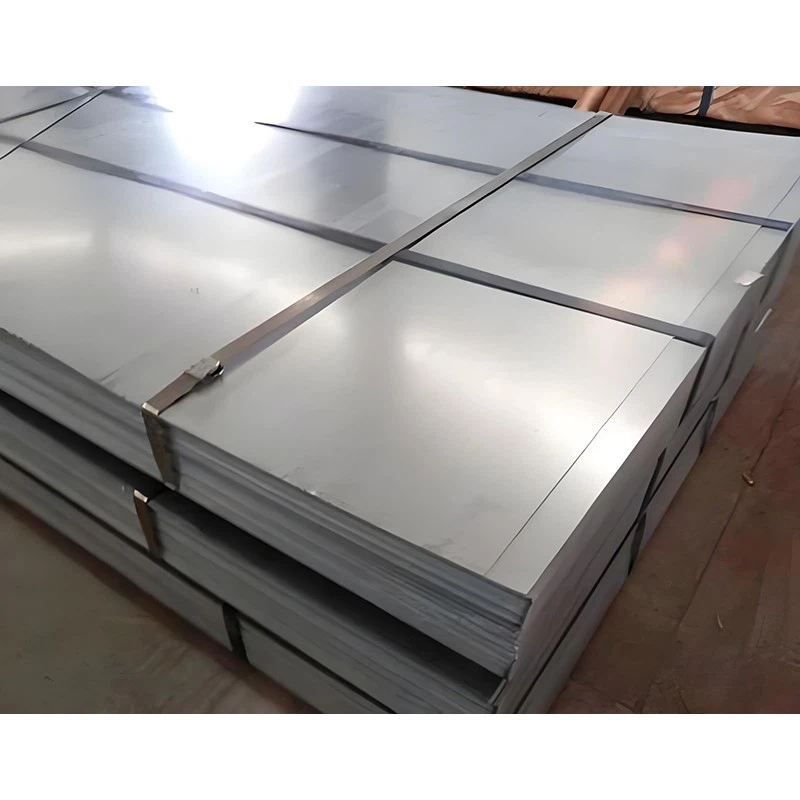
As a steel plate supplier, I've witnessed firsthand the numerous advantages of using steel plates across a wide range of industries. Steel plates are a fundamental building block in construction, manufacturing, and many other sectors, offering a unique combination of strength, durability, and versatility. In this blog post, I'll explore some of the key benefits of using steel plates and why they are an excellent choice for various applications.
Strength and Durability
One of the primary advantages of steel plates is their exceptional strength. Steel is known for its high tensile strength, which means it can withstand significant amounts of stress and pressure without deforming or breaking. This makes steel plates ideal for use in structures that require a high level of structural integrity, such as bridges, buildings, and industrial equipment.
In addition to their strength, steel plates are also highly durable. They are resistant to corrosion, rust, and other forms of damage, which means they can last for many years without requiring significant maintenance or replacement. This makes them a cost-effective choice in the long run, as they can reduce the need for frequent repairs and replacements.
Versatility
Another significant advantage of steel plates is their versatility. They can be cut, shaped, and welded into a variety of forms, making them suitable for a wide range of applications. Whether you need a simple flat plate for a construction project or a complex custom shape for a manufacturing process, steel plates can be easily customized to meet your specific requirements.
Steel plates are also available in a variety of thicknesses and grades, which allows you to choose the right material for your application. For example, High Speed Steel Plate is designed for use in high-speed machining applications, where it can withstand the extreme heat and pressure generated by the cutting process. On the other hand, Cold Rolled Steel Sheets are commonly used in applications where a smooth, flat surface is required, such as in the automotive and appliance industries.
Cost-Effectiveness
Despite their many advantages, steel plates are also a cost-effective choice for many applications. Compared to other materials, such as aluminum or titanium, steel is relatively inexpensive, which makes it a popular choice for large-scale projects. Additionally, the long lifespan and low maintenance requirements of steel plates mean that they can provide significant cost savings over time.
In addition to their low cost, steel plates are also widely available, which means that you can easily source the material you need from a variety of suppliers. This competition among suppliers helps to keep prices down and ensures that you can get the best quality steel plates at a reasonable price.
Sustainability
In today's environmentally conscious world, sustainability is an important consideration for many businesses. Steel plates are a sustainable choice for several reasons. First, steel is one of the most recycled materials in the world, which means that using steel plates can help to reduce the demand for virgin materials and minimize the environmental impact of your project.
Second, the long lifespan and durability of steel plates mean that they can be reused or repurposed at the end of their useful life, further reducing waste and conserving resources. Finally, steel production has become increasingly energy-efficient in recent years, which means that the carbon footprint of steel plates is relatively low compared to other materials.
Safety
Safety is always a top priority in any industry, and steel plates offer several safety benefits. Their high strength and durability make them resistant to impact and deformation, which can help to prevent accidents and injuries in the workplace. Additionally, steel plates can be designed and engineered to meet specific safety standards and requirements, ensuring that they are suitable for use in a variety of applications.
In the construction industry, for example, steel plates are commonly used in the construction of buildings and bridges to provide structural support and stability. Their strength and durability help to ensure that these structures can withstand the forces of nature, such as earthquakes and high winds, and provide a safe environment for occupants.
Conclusion
In conclusion, the advantages of using steel plates are numerous and significant. From their strength and durability to their versatility and cost-effectiveness, steel plates are an excellent choice for a wide range of applications. Whether you're a construction company, a manufacturer, or a contractor, steel plates can provide the performance and reliability you need to complete your projects successfully.

If you're interested in learning more about the benefits of using steel plates or would like to discuss your specific requirements with a steel plate supplier, please don't hesitate to contact us. We have a team of experts who can provide you with the information and support you need to make the right choice for your project.
References
- "Steel Plate: Properties, Types, and Applications." The Constructor.
- "Advantages of Steel in Construction." American Institute of Steel Construction.
- "Sustainable Steel: The Environmental Benefits of Steel." World Steel Association.


