

As a supplier of Hot Rolled Steel Sheets, ensuring the safe transportation of our products is of utmost importance. Hot rolled steel sheets are widely used in various industries, including construction, automotive, and manufacturing. However, their transportation requires careful planning and execution to prevent damage and ensure they reach our customers in optimal condition. In this blog, I will share some key strategies and best practices on how to transport hot rolled steel sheets safely.
Understanding the Characteristics of Hot Rolled Steel Sheets
Before delving into transportation methods, it's essential to understand the unique characteristics of hot rolled steel sheets. These sheets are produced by rolling steel at high temperatures, which gives them certain properties that need to be considered during transportation.
- Weight and Size: Hot rolled steel sheets can be quite heavy and large, depending on their dimensions. This means that special handling equipment and vehicles with sufficient load - bearing capacity are required.
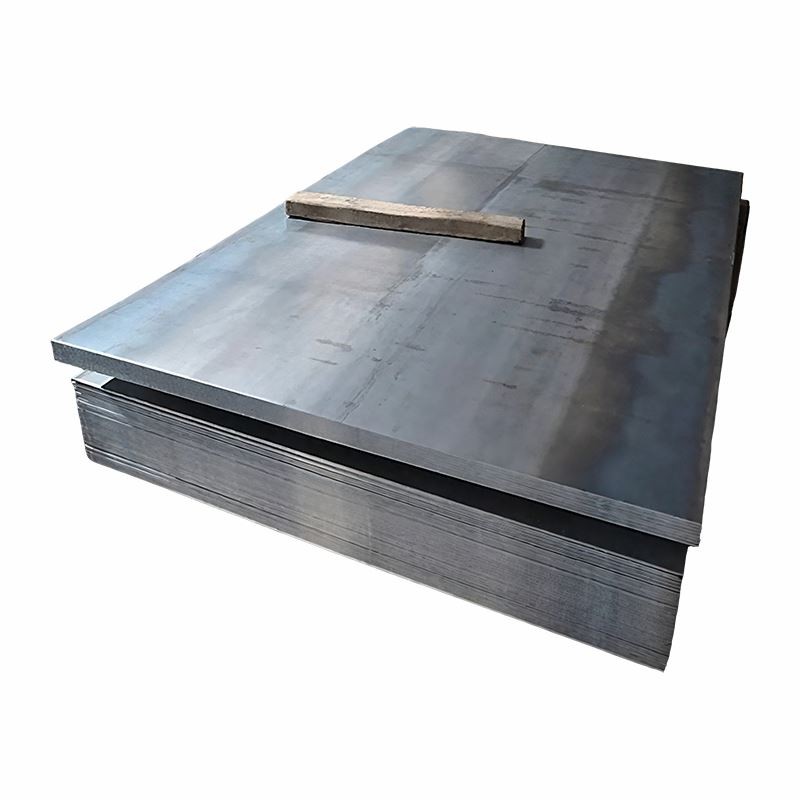
- Surface Sensitivity: Although hot rolled steel sheets have a relatively rough surface compared to cold - rolled sheets, they can still be damaged by scratches, dents, or corrosion during transportation.
- Shape and Rigidity: The flat shape of steel sheets makes them susceptible to bending or warping if not properly supported. Their rigidity also means that improper handling can lead to structural damage.
Pre - transportation Preparations
Inspection
Before loading the hot rolled steel sheets onto the transport vehicle, a thorough inspection is necessary. Check for any existing defects such as cracks, holes, or surface irregularities. This not only helps in identifying pre - existing issues but also ensures that the sheets are in a suitable condition for transportation.
Packaging
Proper packaging is crucial to protect the steel sheets during transit. We typically use the following packaging methods:
- Interlayer Protection: Place a layer of protective material, such as cardboard, plastic film, or rubber pads, between each steel sheet. This helps prevent scratches and abrasions caused by the sheets rubbing against each other.
- Edge Protection: Use edge protectors made of wood, plastic, or metal to safeguard the edges of the steel sheets. Edges are particularly vulnerable to damage during handling and transportation.
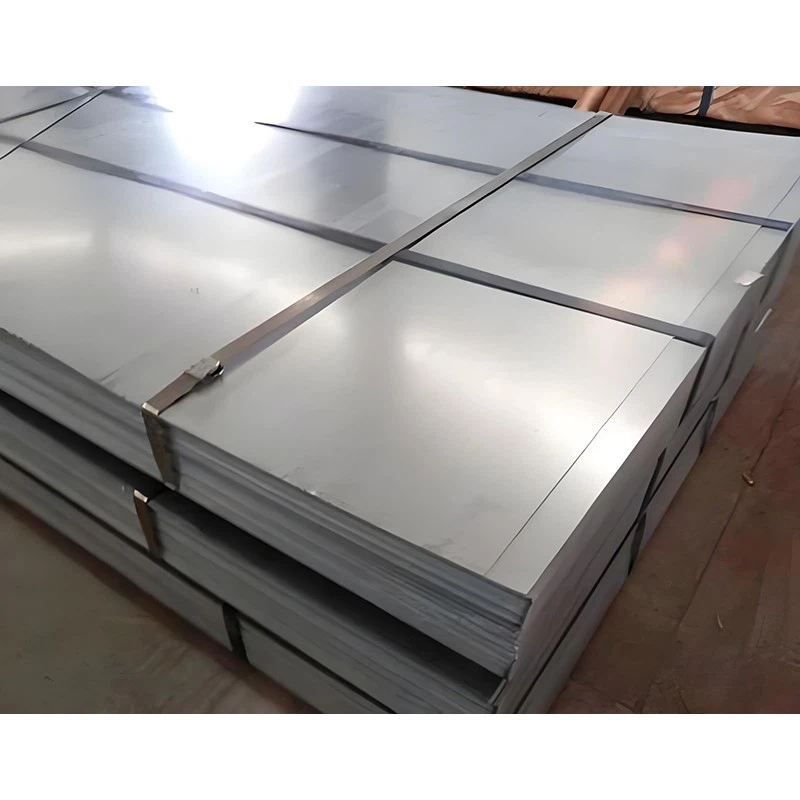
- Outer Wrapping: Wrap the entire bundle of steel sheets with a waterproof and dust - proof material, such as polyethylene film. This protects the sheets from environmental factors like rain, snow, and dust.
Loading Planning
Determine the optimal loading pattern based on the size and weight of the steel sheets, as well as the capacity of the transport vehicle. Consider the following points:
- Even Distribution: Distribute the weight of the steel sheets evenly across the vehicle to prevent overloading on one side, which could lead to instability during transportation.
- Stacking Height: Limit the stacking height to ensure the stability of the load. Excessive stacking can increase the risk of the sheets toppling over or getting damaged.
- Securing Points: Identify the appropriate securing points on the vehicle to tie down the steel sheets firmly. This helps prevent movement during transit.
Choosing the Right Transport Vehicle
Trucks
Trucks are a common choice for transporting hot rolled steel sheets, especially for short - to medium - distance deliveries. When selecting a truck, consider the following factors:
- Load Capacity: Ensure that the truck's load capacity is sufficient to carry the weight of the steel sheets. Overloading can not only damage the vehicle but also pose a safety hazard on the road.
- Body Type: Flatbed trucks are often preferred for transporting steel sheets as they provide a large, flat surface for easy loading and unloading. Some flatbed trucks also come with side rails or stakes that can be used to secure the load.
- Suspension System: A good suspension system helps absorb shocks and vibrations during transportation, reducing the risk of damage to the steel sheets.
Railways
For long - distance transportation, railways can be a cost - effective and efficient option. Rail cars designed for transporting steel products usually have a large capacity and can handle heavy loads. However, it's important to ensure that the steel sheets are properly secured inside the rail car to prevent movement during transit.
Shipping Containers
If the hot rolled steel sheets need to be transported overseas, shipping containers are a viable option. Containers provide protection from the elements and can be easily transferred between different modes of transportation, such as trucks, trains, and ships. When using shipping containers, make sure the sheets are well - packed and secured to prevent damage during handling and sea voyages.
Securing the Load
Straps and Chains
Use high - quality straps or chains to secure the steel sheets to the transport vehicle. Ensure that the straps or chains are tightened properly to prevent the sheets from shifting during transit. Regularly check the tightness of the straps or chains during transportation, especially after going through rough roads or making stops.
Blocking and Bracing
Place blocking and bracing materials, such as wooden blocks or wedges, around the steel sheets to prevent them from moving laterally or longitudinally. This helps maintain the stability of the load and reduces the risk of damage.
During - transportation Precautions
Driving Conditions
The driver should be aware of the special requirements for transporting hot rolled steel sheets. Drive at a moderate speed, especially on rough roads or when making turns, to minimize the impact of vibrations and sudden movements on the load. Avoid sudden braking or acceleration, which can cause the steel sheets to shift or collide with each other.
Weather Conditions
Pay attention to weather forecasts before and during transportation. If there is a risk of heavy rain, snow, or strong winds, take appropriate measures to protect the steel sheets. For example, if it's raining, ensure that the sheets are covered with a waterproof material and that there are no leaks in the vehicle or container.
Regular Checks
Conduct regular checks on the load during transportation. Stop at regular intervals to inspect the securing devices, packaging, and the condition of the steel sheets. If any issues are detected, take immediate action to correct them.
Unloading and Delivery
Proper Unloading Equipment
Use appropriate unloading equipment, such as cranes, forklifts, or conveyors, to safely remove the hot rolled steel sheets from the transport vehicle. Ensure that the equipment is in good working condition and that the operators are trained to handle steel sheets properly.
Inspection at Delivery
Upon delivery, the customer should conduct a final inspection of the steel sheets. Compare the received sheets with the order specifications and check for any damage that may have occurred during transportation. If any issues are found, document them immediately and contact us for further assistance.
Conclusion
Transporting hot rolled steel sheets safely requires a comprehensive approach that includes pre - transportation preparations, choosing the right transport vehicle, securing the load, and taking precautions during transit. By following these best practices, we can ensure that our Hot Rolled Steel Sheets reach our customers in excellent condition.
If you are interested in purchasing Hot Rolled Steel Sheets, Special Steel Sheet, or M42 High Speed Steel Sheet, please feel free to contact us for more information and to discuss your specific requirements. We are committed to providing high - quality products and reliable transportation services to meet your needs.
References
- ASTM International. (20XX). Standards related to steel products and transportation.
- Transportation Research Board. (20XX). Guidelines for the safe transportation of heavy and oversized loads.
- Industry best practices and case studies from steel manufacturing and transportation companies.


