

Hey there! As a supplier of HSS Circular Saw Blades, I know firsthand how annoying and potentially harmful the noise from these blades can be. Not only is it a nuisance to workers and those in the vicinity, but excessive noise can also lead to hearing damage over time. That's why I'm here to share some tips on how to reduce the noise of HSS Circular Saw Blades.
Understanding the Sources of Noise
Before we dive into the solutions, let's first understand where the noise comes from. The main sources of noise when using HSS Circular Saw Blades are:
- Vibration: The blade vibrates as it rotates, causing it to produce noise. This vibration can be due to several factors, such as an unbalanced blade, worn bearings, or improper installation.
- Cutting Process: The friction between the blade and the material being cut generates noise. The speed at which the blade rotates, the type of material being cut, and the feed rate can all affect the amount of noise produced during the cutting process.
- Air Turbulence: As the blade spins, it creates air turbulence around it, which can also contribute to the overall noise level.
Tips to Reduce Noise
Now that we know where the noise comes from, let's look at some practical ways to reduce it:
1. Choose the Right Blade
- Quality Matters: Invest in high-quality High Speed Steel Saw Blades. Well-made blades are more likely to be balanced and have a smoother cutting edge, which can significantly reduce vibration and noise. For example, our HSS DMO5 Circular Saw Blades are designed with precision to minimize noise and ensure a quiet cutting experience.
- Blade Design: Look for blades with anti-vibration features. Some blades come with special slots or holes that help dampen vibrations, reducing noise. These designs are engineered to disrupt the vibration patterns and absorb energy, resulting in a quieter operation.
2. Proper Installation
- Alignment: Make sure the blade is properly aligned on the saw. Misalignment can cause the blade to vibrate more, leading to increased noise. Follow the manufacturer's instructions carefully when installing the blade to ensure correct alignment.
- Tightening: Ensure that the blade is tightened securely. A loose blade can wobble during operation, creating additional noise and potentially causing safety hazards. However, be careful not to over-tighten the blade, as this can also lead to problems.
3. Optimize Cutting Conditions
- Cutting Speed: Adjust the cutting speed according to the material being cut. Using the right speed can reduce friction and noise. For instance, when cutting stainless steel, a slower speed may be more appropriate to avoid excessive heat and noise. Check out our Saw Blade To Cut Stainless Steel for more information on the ideal cutting speeds for different materials.
- Feed Rate: Control the feed rate to prevent the blade from overloading. A consistent and appropriate feed rate will help the blade cut smoothly and quietly. If the feed rate is too fast, the blade may struggle to cut through the material, leading to more noise and a shorter blade life.
4. Maintenance and Upkeep
- Sharpening: Keep the blade sharp. A dull blade requires more force to cut, which can increase noise and vibration. Regularly sharpen the blade or replace it when it becomes too dull. This not only reduces noise but also improves cutting efficiency.
- Cleaning: Clean the blade regularly to remove debris and sawdust. Buildup on the blade can affect its balance and performance, leading to increased noise. Use a soft brush or compressed air to clean the blade after each use.
5. Use Noise-Reducing Accessories
- Blade Guards: Install a proper blade guard on the saw. Blade guards not only protect the operator but also help to reduce noise by containing the air turbulence created by the spinning blade.
- Silent Fans or Mufflers: In some cases, using silent fans or mufflers can help to reduce the noise generated by the saw's motor. These accessories can be installed on the saw to dampen the sound and make the working environment quieter.
The Benefits of Reducing Noise
Reducing the noise of HSS Circular Saw Blades offers several benefits:
- Improved Safety: A quieter working environment allows workers to communicate more effectively and be more aware of their surroundings, reducing the risk of accidents.
- Enhanced Productivity: Less noise means less distraction for workers, which can lead to increased productivity and better quality work.
- Healthier Workplace: Prolonged exposure to high noise levels can cause hearing damage. By reducing the noise, you create a healthier workplace for your employees.
Conclusion
In conclusion, reducing the noise of HSS Circular Saw Blades is not only beneficial for the workers but also for the overall efficiency and safety of the workplace. By choosing the right blade, installing it correctly, optimizing cutting conditions, maintaining the blade, and using noise-reducing accessories, you can significantly reduce the noise level.
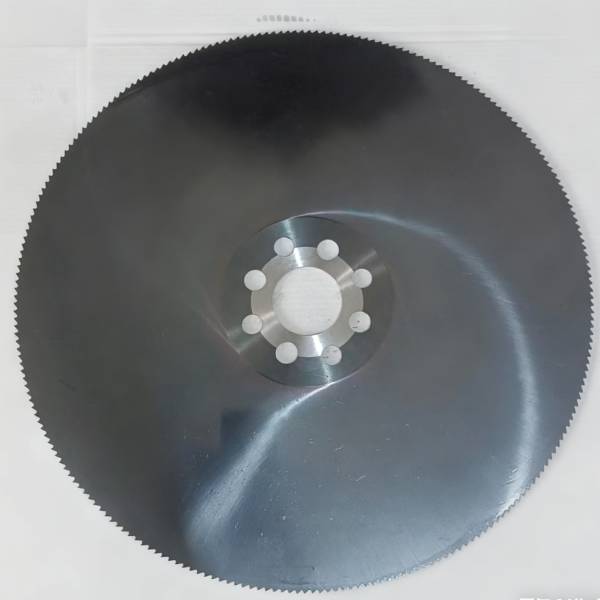

If you're interested in purchasing high-quality HSS Circular Saw Blades that are designed to minimize noise and provide a great cutting performance, feel free to reach out. Whether you need High Speed Steel Saw Blades for general use or Saw Blade To Cut Stainless Steel, we've got you covered. Contact us today to discuss your specific requirements and let's work together to find the perfect solution for your cutting needs.
References
- "Handbook of Noise Control" by Cyril M. Harris
- "Cutting Tool Engineering" magazine articles on circular saw blade optimization


