

Hey there! I'm a supplier of HSS FLAT, and today I wanna talk about how to handle damaged HSS FLAT. It's a common problem in our industry, and knowing how to deal with it can save you a lot of headaches and money.
First off, let's understand what HSS FLAT is. HSS stands for High - Speed Steel. HSS FLAT, you can check it out here, is a type of flat - shaped high - speed steel product. It's widely used in various industries because of its high hardness, wear resistance, and heat resistance. But sometimes, it can get damaged during production, transportation, or use.
Identifying the Damage
The first step in handling damaged HSS FLAT is to identify the type of damage. There are several common types of damage you might encounter.
Surface Scratches
Surface scratches are one of the most common issues. They can occur during handling, especially if the HSS FLAT comes into contact with rough surfaces or sharp objects. These scratches might seem minor at first, but they can affect the performance of the HSS FLAT over time. For example, in applications where a smooth surface is required, scratches can cause uneven wear or affect the precision of cutting or machining operations.
Cracks
Cracks are a more serious type of damage. They can be caused by excessive stress during manufacturing, improper heat treatment, or impact during transportation. Cracks can spread over time, leading to the complete failure of the HSS FLAT. If you notice any cracks, it's crucial to address them immediately.
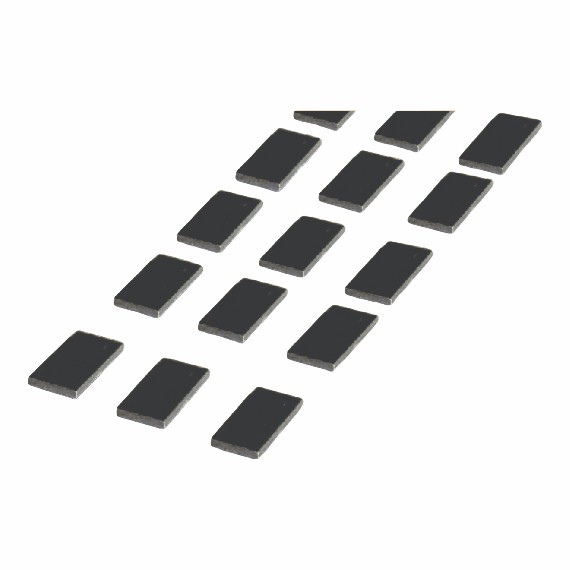

Deformation
Deformation can happen when the HSS FLAT is exposed to high temperatures or excessive force. This can change the shape of the flat, making it unusable for its intended purpose. For instance, if it's supposed to be used in a precise machinery part, even a slight deformation can cause misalignment and affect the overall performance of the equipment.
Assessing the Severity of Damage
Once you've identified the type of damage, the next step is to assess its severity. This will help you decide whether the HSS FLAT can be repaired or if it needs to be replaced.
Minor Damage
For minor surface scratches, the HSS FLAT can often still be used. You can try to polish the scratched area to smooth out the surface. This might not completely eliminate the scratch, but it can reduce its impact on performance. However, you need to make sure that the polishing process doesn't affect the hardness or other properties of the HSS FLAT.
Moderate Damage
In cases of moderate damage, such as small cracks or slight deformation, repair might be possible but more complex. For small cracks, you can use welding techniques to repair them. But this requires specialized skills and equipment. You also need to ensure that the welding process doesn't introduce new problems, like changes in the material's microstructure. Slight deformation can sometimes be corrected using mechanical methods, but again, this needs to be done carefully to avoid further damage.
Severe Damage
When the damage is severe, like large cracks or significant deformation, it's usually best to replace the HSS FLAT. Using a severely damaged HSS FLAT can pose risks to the equipment and the safety of the operators. It's not worth the potential costs and hazards associated with trying to repair it.
Repairing Damaged HSS FLAT
If you've decided that the HSS FLAT can be repaired, here are some common repair methods.
Welding
As mentioned earlier, welding can be used to repair cracks. However, welding HSS requires special attention. You need to use the right type of welding rod and follow the correct welding procedure. Pre - heating the HSS FLAT before welding can help reduce the risk of cracking during the welding process. After welding, post - weld heat treatment is often necessary to restore the hardness and other properties of the material.
Machining
Machining can be used to remove damaged areas or correct deformation. For example, if there's a large scratch or a deformed section, you can use a milling machine or a grinder to remove the affected material. But you need to be careful not to remove too much material, as this can change the dimensions of the HSS FLAT and make it unsuitable for its intended use.
Preventing Damage
Of course, prevention is always better than cure. Here are some tips to prevent damage to HSS FLAT.
Proper Handling
During handling, make sure to use appropriate tools and techniques. Avoid dropping or hitting the HSS FLAT. Use soft - edged tools when moving or positioning it to prevent scratches.
Storage
Store the HSS FLAT in a dry and clean environment. Avoid exposing it to moisture, as this can cause rusting. Also, make sure to stack the HSS FLAT properly to prevent deformation.
Quality Control
Implement strict quality control measures during production. This includes checking the raw materials, monitoring the manufacturing process, and conducting thorough inspections before shipping.
When to Replace
Despite our best efforts, there will be times when replacement is the only option. If the damage is too severe to repair, or if the cost of repair is higher than the cost of a new HSS FLAT, it's best to replace it. Also, if the damaged HSS FLAT poses a safety risk, replacement is a must.
In the world of HSS products, there are also related items like HSS STEEL VANE and Steel Vanes. Similar principles of damage handling and prevention apply to them as well.
If you're in the market for high - quality HSS FLAT or have any questions about handling damaged HSS FLAT, feel free to reach out for a procurement discussion. We're here to help you find the best solutions for your needs.
References
- High - Speed Steel Handbook.
- Industrial Metalworking Guide.


