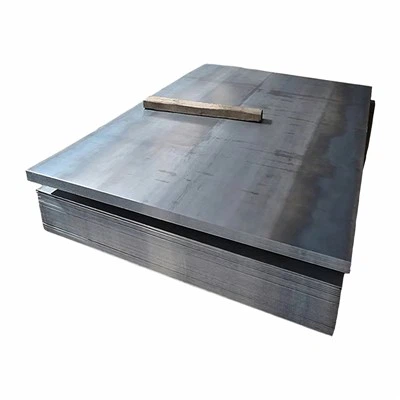
As a professional supplier of Cold Rolled Steel Sheets, I understand the importance of accurate cutting in the manufacturing and construction industries. In this blog post, I'll share some practical advice on how to cut cold rolled steel sheets accurately, combining scientific knowledge with real - world experience.

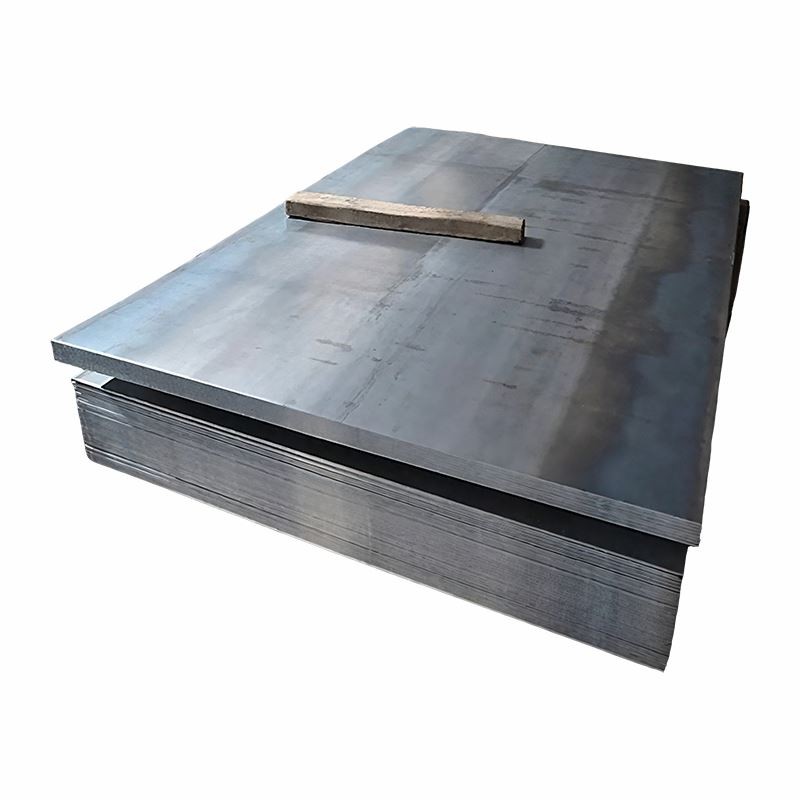
Understanding Cold Rolled Steel Sheets
Before we delve into the cutting methods, it's crucial to understand what cold rolled steel sheets are. Cold rolled steel is produced through a cold - rolling process, where the steel is processed at room temperature. This process results in a smoother surface finish, tighter tolerances, and increased strength compared to Hot Rolled Steel Sheets. Cold rolled steel sheets are widely used in various applications, such as automotive parts, appliances, and construction components.
Tools for Cutting Cold Rolled Steel Sheets
- Shearing Machines
Shearing machines are one of the most common tools used for cutting cold rolled steel sheets. They work by applying a shearing force to the steel sheet, causing it to fracture along the cutting line. There are different types of shearing machines, including guillotine shears and swing - beam shears. Guillotine shears provide a straight and precise cut, making them suitable for large - scale production. Swing - beam shears are more flexible and can handle a wider range of sheet thicknesses. - Plasma Cutters
Plasma cutters use a high - velocity jet of ionized gas (plasma) to melt and remove the metal. They are capable of cutting through thick cold rolled steel sheets quickly and accurately. Plasma cutters can create complex shapes and curves, which makes them ideal for custom fabrication work. However, they require a power source and proper ventilation to prevent the inhalation of harmful fumes. - Laser Cutters
Laser cutters use a high - intensity laser beam to cut through the steel sheet. They offer extremely high precision and can produce very fine cuts. Laser cutters are suitable for cutting thin to medium - thickness cold rolled steel sheets and are often used in industries where high - quality cutting is required, such as electronics and jewelry manufacturing. The main drawback of laser cutters is their high cost and the need for skilled operators. - Circular Saws
Circular saws with appropriate blades can also be used to cut cold rolled steel sheets. They are relatively inexpensive and easy to operate. However, they may not provide the same level of precision as shearing machines, plasma cutters, or laser cutters. Circular saws are more suitable for small - scale projects or rough cutting.
Preparation Before Cutting
- Measurement and Marking
Accurate measurement is the first step in cutting cold rolled steel sheets. Use a reliable measuring tool, such as a steel ruler or a tape measure, to measure the dimensions of the sheet you need to cut. Mark the cutting line clearly on the surface of the steel sheet using a scribe or a marker. Make sure the marking is straight and precise. - Securing the Steel Sheet
Before cutting, it's essential to secure the cold rolled steel sheet firmly in place. This prevents the sheet from moving during the cutting process, which can lead to inaccurate cuts. You can use clamps or a vice to hold the sheet securely on a workbench or a cutting table. - Selecting the Right Blade or Tool
Choose the appropriate blade or tool for the thickness and type of cold rolled steel sheet you are cutting. For example, if you are using a circular saw, select a blade with the correct number of teeth and tooth configuration for the steel thickness. Using the wrong blade can result in poor cutting quality and premature blade wear.
Cutting Techniques
- Shearing
When using a shearing machine, make sure the cutting blades are sharp and properly aligned. Place the marked steel sheet on the shearing table and position it accurately so that the cutting line is exactly under the blades. Operate the shearing machine slowly and steadily to ensure a clean and straight cut. - Plasma Cutting
For plasma cutting, set the appropriate cutting parameters, such as the amperage, gas flow rate, and cutting speed, based on the thickness of the steel sheet. Hold the plasma torch perpendicular to the steel surface and move it smoothly along the cutting line. Keep a consistent distance between the torch and the sheet to ensure a uniform cut. - Laser Cutting
In laser cutting, load the cutting design into the laser cutter's control system. Adjust the focus of the laser beam to match the thickness of the steel sheet. The laser cutter will automatically follow the programmed path to make the cut. Monitor the cutting process to ensure there are no interruptions or errors. - Circular Saw Cutting
When using a circular saw, start the saw and let it reach full speed before making contact with the steel sheet. Apply gentle pressure to the saw and guide it along the marked cutting line. Keep the saw blade perpendicular to the surface of the sheet to avoid uneven cuts.
Quality Control
After cutting the cold rolled steel sheets, it's important to perform quality control checks. Inspect the cut edges for any signs of burrs, rough edges, or unevenness. Use a measuring tool to verify the dimensions of the cut pieces. If there are any defects, you can use a file, a grinder, or a deburring tool to smooth the edges and correct the dimensions.
Safety Precautions
Cutting cold rolled steel sheets involves certain risks, so it's essential to take appropriate safety precautions. Wear protective gear, such as safety glasses, gloves, and ear protection. Ensure that the cutting area is well - ventilated, especially when using plasma cutters or other tools that produce fumes. Follow the manufacturer's instructions for operating the cutting tools and keep the work area clean and organized.
Choosing the Right Cold Rolled Steel Sheets for Your Project
As a Cold Rolled Steel Sheets supplier, I offer a wide range of steel sheets with different thicknesses, sizes, and surface finishes. When choosing the right steel sheets for your project, consider the following factors:
- Thickness: The thickness of the steel sheet depends on the specific application. Thicker sheets are suitable for heavy - duty applications, while thinner sheets are more appropriate for lightweight and precision work.
- Surface Finish: Cold rolled steel sheets can have different surface finishes, such as smooth, painted, or galvanized. Choose the surface finish based on the aesthetic and corrosion - resistance requirements of your project.
- Strength and Hardness: If your project requires high - strength steel, consider SKH51 Steel Plate or M2 High Speed Steel Plate, which offer excellent strength and hardness properties.
If you are looking for high - quality Cold Rolled Steel Sheets for your next project and need professional advice on cutting and processing, feel free to contact us. We are committed to providing you with the best products and services, and we look forward to discussing your specific needs and requirements.
References
- "Metallurgy of Steel" by George E. Dieter.
- "Cutting Technology Handbook" by Industrial Press Inc.
- "Steel Sheet Applications in Modern Industry" by various industry experts.