

Selecting the appropriate special shaped steel for a project is a critical decision that can significantly impact the project's success. As a seasoned special shaped steel supplier, I've witnessed firsthand how the right choice of steel can enhance the structural integrity, durability, and overall performance of a project. In this blog, I'll share some key considerations to help you make an informed decision when choosing special shaped steel for your next project.
Understanding Your Project Requirements
The first step in choosing the right special shaped steel is to have a clear understanding of your project requirements. Consider the following factors:
Structural Requirements
Determine the load-bearing capacity, strength, and stiffness required for your project. Different special shaped steels have varying mechanical properties, so it's essential to select a steel that can withstand the specific loads and stresses it will be subjected to. For example, if you're building a high-rise building, you'll need a steel with high strength and excellent ductility to ensure the structure can withstand wind and seismic forces.
Environmental Conditions
Consider the environmental conditions in which the steel will be used. Factors such as temperature, humidity, corrosion, and exposure to chemicals can all affect the performance of the steel. For outdoor applications, you may need to choose a steel with corrosion-resistant properties, such as stainless steel or galvanized steel.
Aesthetic Requirements
In some cases, the aesthetic appearance of the steel may be an important consideration. Special shaped steels come in a variety of shapes, sizes, and finishes, allowing you to choose a steel that complements the overall design of your project. For example, if you're building a modern architectural structure, you may want to choose a steel with a sleek and contemporary finish.
Types of Special Shaped Steel
There are several types of special shaped steel available, each with its own unique properties and applications. Here are some common types of special shaped steel:
Linear Guide Rail Substrate
The Linear Guide Rail Substrate is a type of special shaped steel that is commonly used in precision machinery and automation systems. It provides a stable and accurate guide for linear motion, ensuring smooth and precise movement of components. Linear guide rail substrates are typically made from high-strength steel and are designed to withstand heavy loads and high speeds.

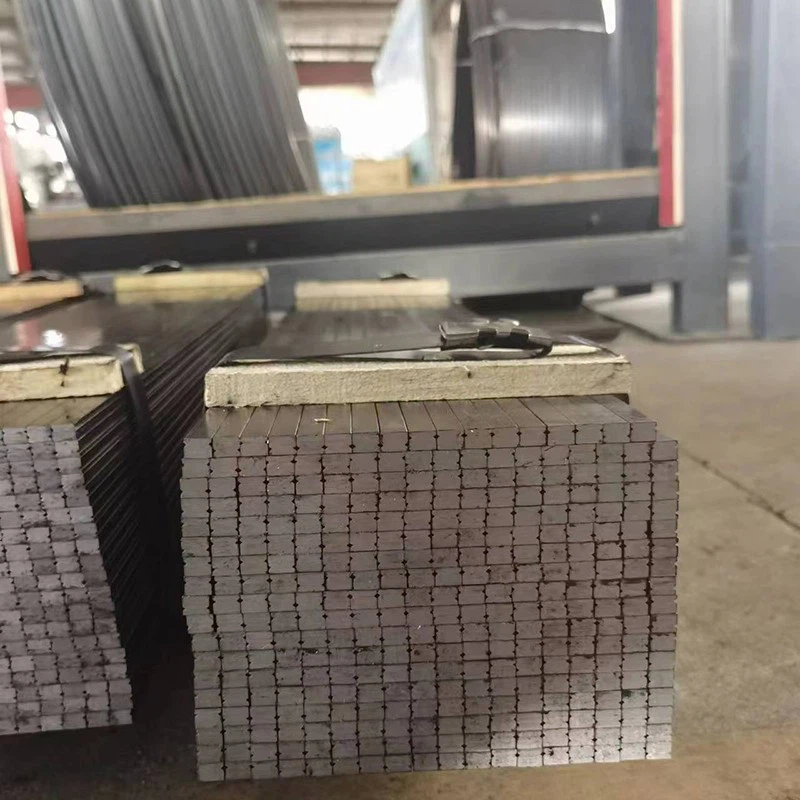
Hot Rolled COIL
Hot Rolled COIL is a type of special shaped steel that is produced by rolling steel at high temperatures. It is commonly used in construction, automotive, and manufacturing industries. Hot rolled coil is available in a variety of thicknesses and widths, making it suitable for a wide range of applications. It has good formability and weldability, making it easy to fabricate into different shapes and sizes.
HSS Round Bar
HSS Round Bar is a type of special shaped steel that is made from high-speed steel. It is commonly used in cutting tools, drills, and other precision machining applications. HSS round bars have high hardness, wear resistance, and heat resistance, making them suitable for use in high-speed machining operations.
Evaluating the Quality of Special Shaped Steel
When choosing special shaped steel, it's important to evaluate the quality of the steel to ensure it meets your project requirements. Here are some factors to consider:
Chemical Composition
The chemical composition of the steel can have a significant impact on its mechanical properties. Make sure the steel you choose has the appropriate chemical composition for your application. For example, if you need a steel with high strength and corrosion resistance, you may want to choose a steel that contains elements such as chromium, nickel, and molybdenum.
Mechanical Properties
The mechanical properties of the steel, such as strength, hardness, and ductility, are important considerations. Make sure the steel you choose has the appropriate mechanical properties for your application. For example, if you need a steel with high strength and toughness, you may want to choose a steel that has a high yield strength and a good elongation percentage.
Surface Finish
The surface finish of the steel can affect its appearance and performance. Make sure the steel you choose has a smooth and uniform surface finish. A rough or uneven surface finish can lead to corrosion and other problems.
Working with a Reliable Supplier
Choosing a reliable special shaped steel supplier is essential to ensure you get high-quality steel that meets your project requirements. Here are some tips for working with a reliable supplier:
Experience and Reputation
Look for a supplier with extensive experience in the special shaped steel industry. A supplier with a good reputation is more likely to provide high-quality steel and excellent customer service.
Product Range
Choose a supplier that offers a wide range of special shaped steel products. This will give you more options to choose from and ensure you can find the right steel for your project.
Technical Support
A good supplier should provide technical support to help you choose the right steel for your project. They should be able to answer your questions and provide you with detailed information about the steel's properties and applications.
Conclusion
Choosing the right special shaped steel for a project is a complex decision that requires careful consideration of several factors. By understanding your project requirements, evaluating the quality of the steel, and working with a reliable supplier, you can ensure you choose the right steel for your project. If you have any questions or need help choosing the right special shaped steel for your project, please don't hesitate to contact us. We're here to help you make the best decision for your project.
References
- "Steel Construction Manual," American Institute of Steel Construction
- "Metallurgy for the Non-Metallurgist," George E. Dieter
- "Materials Science and Engineering: An Introduction," William D. Callister Jr.


