Hey there! As a supplier of Cold Rolled Steel Sheets, I've gotten a ton of questions about bending these sheets without cracking. It's a common headache for a lot of folks in the industry, whether you're a DIY enthusiast or a professional metalworker. So, I thought I'd share some tips and tricks I've picked up over the years.
Understanding Cold Rolled Steel Sheets
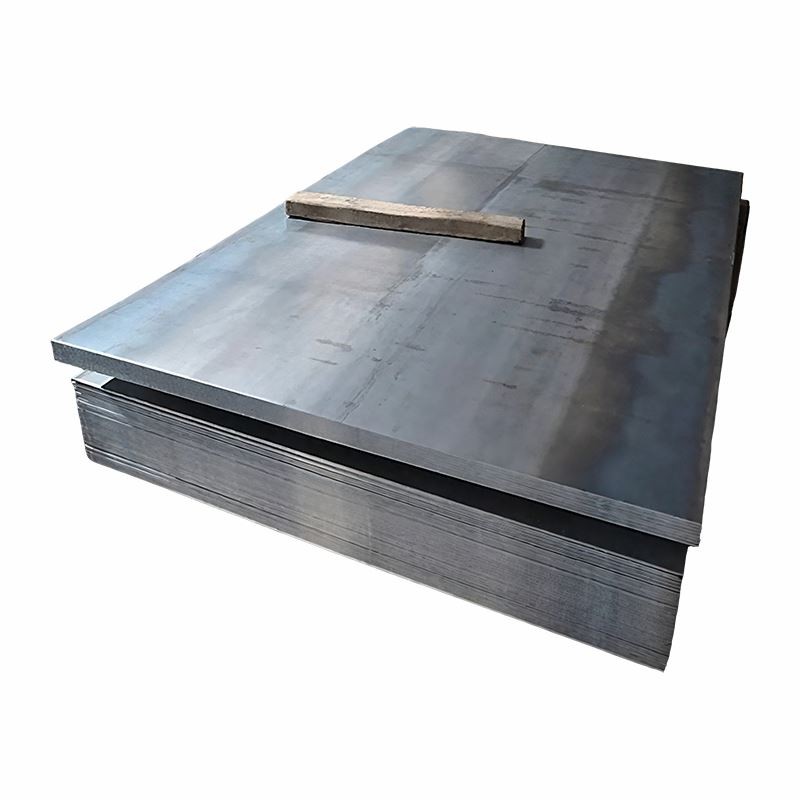
First off, let's talk a bit about what cold rolled steel sheets are. Cold rolling is a process where the steel is rolled at room temperature, which gives it a smoother finish and tighter tolerances compared to Hot Rolled Steel Sheets. The cold rolling process also increases the strength and hardness of the steel, but it can also make it a bit more brittle. That's why bending cold rolled steel sheets without cracking can be a bit tricky.
Factors Affecting Bending
There are a few factors that can affect how well a cold rolled steel sheet bends without cracking.
Thickness
The thickness of the steel sheet is a major factor. Thicker sheets are generally more difficult to bend without cracking because they require more force. If you're working with a very thick cold rolled steel sheet, you might need to use specialized equipment or techniques to get a good bend.
Bend Radius
The bend radius is the radius of the inside curve of the bend. A smaller bend radius means a sharper bend, which puts more stress on the steel and increases the risk of cracking. It's usually a good idea to use a larger bend radius whenever possible. As a general rule, the bend radius should be at least 1.5 times the thickness of the steel sheet.
Grain Direction
The grain direction of the steel sheet matters, too. The grain is the pattern of the steel's internal structure, and bending against the grain can increase the risk of cracking. Before you start bending, it's a good idea to figure out the grain direction of the sheet and try to bend with the grain. You can usually tell the grain direction by looking at the surface of the sheet or by doing a simple bend test on a scrap piece.
Preparing the Steel Sheet
Before you start bending, it's important to prepare the steel sheet properly.
Cleaning
Make sure the sheet is clean and free of any dirt, oil, or debris. These contaminants can interfere with the bending process and cause the sheet to crack. You can use a mild detergent and water to clean the sheet, and then dry it thoroughly.
Annealing
Annealing is a process where the steel is heated to a specific temperature and then slowly cooled. This can help to reduce the hardness and brittleness of the steel, making it easier to bend without cracking. However, annealing can also change the properties of the steel, so it's important to do it carefully and according to the manufacturer's recommendations.

Bending Techniques
Now, let's talk about some bending techniques that can help you bend cold rolled steel sheets without cracking.
Press Brake Bending
Press brake bending is one of the most common methods for bending steel sheets. A press brake uses a punch and die to apply force to the sheet and create the bend. It's important to choose the right punch and die for the job, as the shape and size of the punch and die can affect the quality of the bend. Make sure the punch and die are clean and well-maintained to prevent scratching or damaging the sheet.
Roll Bending
Roll bending is another option for bending cold rolled steel sheets. This method uses a set of rolls to gradually bend the sheet into the desired shape. Roll bending is a good choice for creating long, curved bends. However, it can be a bit more difficult to control the bend radius compared to press brake bending.
Heat Bending
Heat bending involves heating the steel sheet to a specific temperature and then bending it while it's still hot. This can make the steel more malleable and reduce the risk of cracking. However, heat bending requires careful control of the temperature to avoid overheating or damaging the steel. You can use a torch or a furnace to heat the sheet, but make sure to wear appropriate safety gear.
Tips and Tricks
Here are some additional tips and tricks to help you bend cold rolled steel sheets without cracking:
- Use Lubrication: Applying a lubricant to the surface of the sheet can help to reduce friction and prevent cracking. You can use a specialized metalworking lubricant or even a simple soap and water solution.
- Check the Bend: After making a bend, check it carefully for any signs of cracking or damage. If you notice any cracks, stop immediately and adjust your technique or equipment.
- Test on Scrap Pieces: Before you start bending the actual sheet, it's a good idea to test your technique on a scrap piece of the same type and thickness of steel. This can help you to fine-tune your technique and avoid making mistakes on the final piece.
Other Types of Steel Sheets
In addition to cold rolled steel sheets, we also offer M42 High Speed Steel Sheet and SKH51 Steel Plate. These types of steel have different properties and applications, so it's important to choose the right one for your project.
Contact Us for Your Steel Needs
Well, that's all for now! I hope these tips and tricks have been helpful. If you're in the market for high-quality cold rolled steel sheets or other types of steel products, don't hesitate to get in touch. We're here to help you find the right steel for your project and provide you with the support and guidance you need. Whether you're a small business or a large industrial customer, we've got the expertise and resources to meet your needs. So, reach out and let's start a conversation about your steel requirements.
References
- ASM Handbook, Volume 1: Properties and Selection: Irons, Steels, and High-Performance Alloys.
- Metals Handbook Desk Edition, Third Edition.