

Hey there, fellow DIY enthusiasts and professionals! As a supplier of HSS Circular Saw Blades, I get a lot of questions about using these blades effectively. One of the most common queries is how to adjust the cutting depth when using HSS Circular Saw Blades. Today, I'm going to break it down for you in a simple and easy-to-understand way.
First off, let's talk about why adjusting the cutting depth is so important. When you're using an HSS Circular Saw Blade, setting the right cutting depth ensures a clean and precise cut. It also reduces the risk of kickback, which can be incredibly dangerous. Plus, it helps to extend the life of your saw blade by reducing unnecessary wear and tear.
Now, how do you actually go about adjusting the cutting depth? Well, it's not as complicated as it might seem. Most circular saws come with a depth adjustment mechanism that's pretty straightforward to use. Here's a step-by-step guide:
Step 1: Unplug Your Saw
Safety first, always! Before you start adjusting the cutting depth, make sure your saw is unplugged or the battery is removed. This will prevent any accidental starts while you're working on the adjustment.
Step 2: Locate the Depth Adjustment Lever
On your circular saw, there's usually a lever or a knob that's used to adjust the cutting depth. It's typically located near the base of the saw, where the blade is attached. Look for a lever that you can move up and down or a knob that you can turn.
Step 3: Loosen the Depth Adjustment Lever
Once you've found the lever or knob, loosen it. This will allow you to move the blade up or down to adjust the cutting depth. If it's a lever, you might need to push or pull it to release the locking mechanism. If it's a knob, turn it counterclockwise to loosen it.
Step 4: Set the Desired Cutting Depth
Now it's time to set the cutting depth. The general rule of thumb is to set the blade so that it extends about 1/8 inch below the material you're cutting. This gives you enough blade exposure to make a clean cut without going too deep. However, depending on the type of material and the cut you're making, you might need to adjust the depth accordingly. For example, if you're making a shallow cut, you can set the blade to a shallower depth.
Step 5: Lock the Depth Adjustment Lever
Once you've set the desired cutting depth, lock the depth adjustment lever or knob back in place. This will ensure that the blade stays at the correct depth while you're cutting. Make sure it's tightened securely so that the blade doesn't move during the cutting process.
Step 6: Test the Cutting Depth
Before you start cutting your actual workpiece, it's a good idea to test the cutting depth on a scrap piece of material. This will allow you to make any final adjustments if needed. Simply make a few cuts on the scrap piece and check the depth to see if it's what you want.
Now, let's talk about some factors to consider when adjusting the cutting depth.
Material Type
Different materials require different cutting depths. For example, softer materials like wood can usually be cut with a deeper blade setting, while harder materials like saw Blade To Cut Stainless Steel or aluminum might require a shallower cut to prevent the blade from binding or overheating. When cutting stainless steel, you'll want to use a Circular Saw Blades for Stainless Steel and adjust the depth accordingly. These blades are designed to handle the hardness of stainless steel and provide a clean cut.
Blade Size
The size of your HSS Circular Saw Blade also plays a role in determining the cutting depth. Larger blades can typically cut deeper than smaller blades. However, you still need to follow the general rule of thumb and not overextend the blade. For smaller blades, you might need to make multiple passes to achieve the desired cut depth.
Cut Type
The type of cut you're making is another important factor. If you're making a rip cut (a cut along the grain of the material), you can usually set the blade to a slightly deeper depth. This is because the blade is following the natural grain of the wood, which makes the cut easier. On the other hand, if you're making a crosscut (a cut across the grain of the material), you might want to set the blade to a shallower depth to prevent the wood from splintering.
In addition to adjusting the cutting depth, there are a few other things you can do to ensure a successful cut with your HSS Circular Saw Blade.
Use the Right Blade
Using the right blade for the job is crucial. Different blades are designed for different materials and cuts. Make sure you choose an HSS Circular Saw Blade that's specifically designed for the material you're cutting. For example, if you're cutting metal, you'll need a Hss Cut Off Circular Saw Blade. These blades are made with high-speed steel teeth that can withstand the high temperatures and pressures of cutting metal.
Keep the Blade Sharp
A sharp blade is essential for a clean and efficient cut. Dull blades can cause the saw to bind, overheat, and produce a rough cut. Make sure you keep your HSS Circular Saw Blade sharp by regularly sharpening it or replacing it when it's worn out.
Use the Right Cutting Speed
The cutting speed also affects the quality of the cut. Different materials require different cutting speeds. Make sure you follow the manufacturer's recommendations for the cutting speed of your HSS Circular Saw Blade. Cutting too fast can cause the blade to overheat and wear out quickly, while cutting too slow can result in a rough cut.
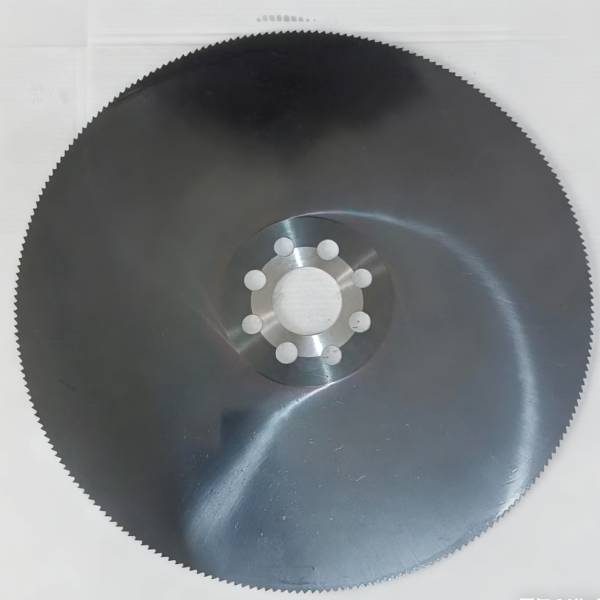

Well, that's about it for my guide on how to adjust the cutting depth when using HSS Circular Saw Blades. I hope this information has been helpful to you. If you have any questions or need more information about our HSS Circular Saw Blades, feel free to reach out and start a conversation about your procurement needs. We're here to help you find the right blade for your project and ensure that you get the best results.
References
- Woodworking Magazine. "Best Practices for Circular Saw Use."
- Metalworking Handbook. "Cutting Techniques with HSS Blades."


