

Hey there! I'm a supplier of Hot Rolled COIL, and today I wanna talk about how the carbon content affects the properties of hot rolled coil. It's a super important topic in the steel industry, and understanding it can help you make better decisions when it comes to choosing the right steel products for your projects.
First off, let's get a basic understanding of what hot rolled coil is. Hot rolled coil is a type of steel product that's made by heating a large slab of steel and then rolling it into a thin, flat strip. This process makes the steel more malleable and easier to work with. And the carbon content in this steel can vary, and that variation has a huge impact on the properties of the hot rolled coil.
Strength and Hardness
One of the most obvious effects of carbon content on hot rolled coil is its impact on strength and hardness. Generally speaking, as the carbon content in the steel goes up, so does its strength and hardness. Carbon atoms are smaller than iron atoms, and when they're dissolved in the iron lattice, they create what's called solid - solution strengthening. This means that the carbon atoms get in the way of the movement of dislocations in the steel, making it harder to deform.
For example, low - carbon hot rolled coil, which typically has a carbon content of less than 0.3%, is relatively soft and ductile. It's easy to bend, form, and weld, which makes it a great choice for applications like automotive body panels, where you need a material that can be shaped easily. You can check out our Hot Rolled COIL for more details on different carbon content options.
On the other hand, high - carbon hot rolled coil, with a carbon content of 0.6% or more, is much stronger and harder. It's often used in applications where high strength and wear resistance are required, like in the manufacturing of springs or cutting tools. But this high - carbon steel can also be more brittle, which means it's more likely to crack or break under stress.
Ductility and Formability
Ductility and formability are also closely related to the carbon content in hot rolled coil. As I mentioned earlier, low - carbon steel is highly ductile. It can be stretched, bent, and formed into various shapes without breaking. This is because the low carbon content allows the steel to have a more uniform grain structure, and the dislocations can move more freely within the lattice.
When the carbon content increases, the ductility of the steel decreases. High - carbon steel is less likely to be able to withstand large amounts of deformation without fracturing. For instance, if you try to bend a high - carbon hot rolled coil too sharply, it may crack along the bend line. So, if you're planning to do a lot of forming work on the steel, you'll probably want to go for a lower - carbon option.
Weldability
Weldability is another crucial property affected by carbon content. Low - carbon hot rolled coil has excellent weldability. The low carbon content means that there's less risk of forming hard, brittle zones around the weld area. When you weld low - carbon steel, the heat from the welding process doesn't cause significant changes in the steel's microstructure, and the weld joint can maintain good strength and ductility.
However, high - carbon steel is much more difficult to weld. The high carbon content can lead to the formation of martensite, a very hard and brittle phase, in the heat - affected zone (HAZ) during welding. This can cause the weld joint to be weak and prone to cracking. Special welding techniques and pre - and post - welding heat treatments are often required to ensure a successful weld when working with high - carbon hot rolled coil.
Machinability
The carbon content also plays a role in the machinability of hot rolled coil. Low - carbon steel is generally easy to machine. It can be cut, drilled, and milled with relative ease, and the chips produced during machining are usually long and continuous. This is because the softness of the low - carbon steel allows the cutting tools to penetrate the material smoothly.
High - carbon steel, on the other hand, can be more challenging to machine. The hardness of the steel can cause the cutting tools to wear out more quickly. Also, the chips produced during machining of high - carbon steel are often shorter and more brittle, which can sometimes lead to problems with chip evacuation.
Applications Based on Carbon Content
Now, let's talk about some real - world applications based on the carbon content of hot rolled coil.
- Low - Carbon Hot Rolled Coil: As I've said, it's widely used in the automotive industry for body panels, frames, and other parts that require good formability. It's also used in the construction industry for making structural components like beams and columns. Additionally, it's a popular choice for manufacturing household appliances, where the ability to be shaped into different forms is essential.
- Medium - Carbon Hot Rolled Coil: With a carbon content between 0.3% and 0.6%, medium - carbon steel strikes a balance between strength, ductility, and weldability. It's often used in the manufacturing of machinery parts, such as gears and shafts. These parts need to have a certain amount of strength to withstand the loads they'll be subjected to, but they also need to be formable and weldable during the manufacturing process.
- High - Carbon Hot Rolled Coil: This type of steel is mainly used in applications where high strength and wear resistance are critical. For example, it's used in the production of HSS Round Bar for cutting tools, as well as in the manufacturing of springs for automotive and industrial applications.
Impact on Cost
The carbon content also has an impact on the cost of hot rolled coil. Generally, low - carbon steel is less expensive than high - carbon steel. This is because the production process for low - carbon steel is relatively simpler, and the raw materials are more abundant. High - carbon steel requires more precise control during the manufacturing process, and the additional heat treatments and alloying elements can add to the cost.
So, when you're considering which hot rolled coil to buy, you need to balance your requirements for properties like strength, ductility, and weldability with the cost.
Conclusion
In conclusion, the carbon content in hot rolled coil has a profound impact on its properties, including strength, hardness, ductility, formability, weldability, and machinability. As a supplier, I understand that different customers have different needs, and choosing the right carbon content is crucial for the success of your projects.

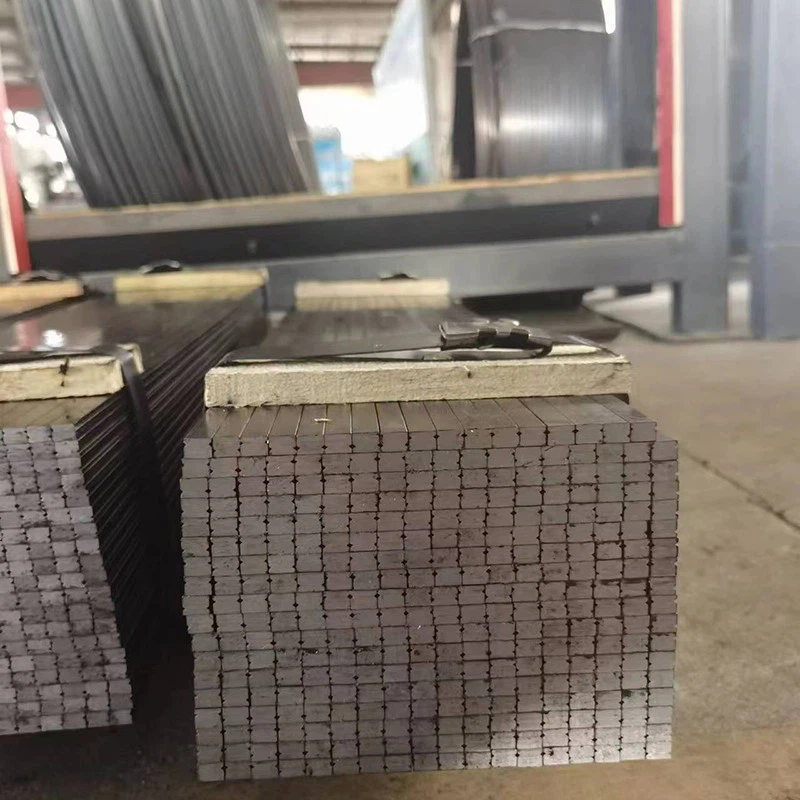
Whether you're looking for a soft and ductile low - carbon steel for easy forming or a strong and wear - resistant high - carbon steel for demanding applications, we've got you covered. And if you're interested in other steel products like Linear Guide Rail Substrate, we can also provide you with detailed information.
If you have any questions about our hot rolled coil or want to discuss your specific requirements, don't hesitate to reach out. We're here to help you make the best choice for your business. Let's start a conversation and see how we can work together to meet your steel needs!
References
- "The Science and Engineering of Materials" by Donald R. Askeland and Pradeep P. Phule
- "Steels: Processing, Structure, and Performance" by George Krauss


