

Can High Speed Steel Plate be used in the mold industry?
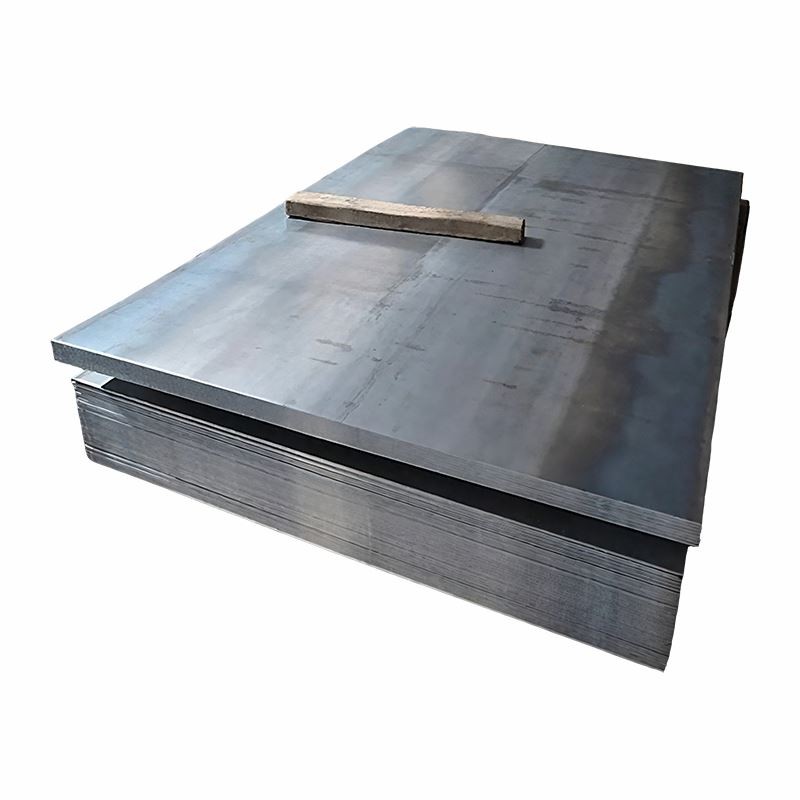

As a supplier of high-speed steel plates, I often get asked about the suitability of our products in the mold industry. High-speed steel (HSS) is a well - known material in the manufacturing world, praised for its durability, heat resistance, and excellent cutting performance. But can it truly find a place within the demanding environment of the mold industry? Let's delve deeper into this question.
The Properties of High Speed Steel Plate
High-speed steel plates are engineered to possess several key properties that make them stand out. Firstly, they have high hardness. This hardness allows the steel to maintain its shape and resist wear even under high - pressure conditions. For example, when a mold is used to shape hard materials like metals or tough plastics, the high hardness of the high - speed steel plate ensures that the mold surface doesn't deform easily, thus maintaining the accuracy of the molded products.
Secondly, high - speed steel plates have remarkable heat resistance. When molds are in operation, especially in processes like injection molding or die - casting, a significant amount of heat is generated. The heat resistance of HSS plates enables them to withstand these high temperatures without losing their mechanical properties. This is crucial because if a mold material softens due to heat, it can lead to dimensional inaccuracies in the molded parts.
Another important property is the high wear resistance of high - speed steel plates. In the mold industry, molds are constantly in contact with various materials during the forming process. This continuous contact causes wear on the mold surface. The wear resistance of HSS plates means that they can endure this abrasion for a longer time compared to many other materials, reducing the frequency of mold replacement and thus saving costs for manufacturers.
Applications in the Mold Industry
Plastic Molding
In the plastic molding sector, high - speed steel plates can be used to create molds for precision plastic parts. For instance, in the production of electronic components such as mobile phone cases or computer parts, the molds need to have a high level of accuracy and surface finish. High - speed steel plates can be machined to achieve the required precision and smoothness. The heat resistance of HSS also comes in handy during the injection molding process, as the molten plastic is injected into the mold at high temperatures.
Die - Casting Molds
Die - casting is a process where molten metal is forced into a mold cavity under high pressure. High - speed steel plates can be used to make die - casting molds for non - ferrous metals like aluminum, zinc, and magnesium. The high hardness and wear resistance of HSS plates are essential in this application. The mold needs to withstand the high pressure of the molten metal injection and the abrasive nature of the metal flow. Using high - speed steel plates can extend the service life of the die - casting molds and improve the quality of the cast parts.
Forging Molds
Forging is a process that involves shaping metal by applying compressive forces. Forging molds made from high - speed steel plates can handle the high stresses and pressures involved in the forging process. The heat generated during forging can be quite substantial, and the heat resistance of HSS plates ensures that the mold remains stable and retains its shape. This results in more consistent and high - quality forged parts.
Comparison with Other Mold Materials
Carbon Steel
Carbon steel is a commonly used material in the mold industry. However, compared to high - speed steel plates, carbon steel has lower hardness and heat resistance. Carbon steel molds may wear out more quickly, especially when used for high - volume production or with hard materials. High - speed steel plates offer better performance in terms of longevity and the ability to maintain dimensional accuracy over time.
Stainless Steel
Stainless steel is known for its corrosion resistance. While it is suitable for some mold applications where corrosion is a concern, it may not have the same level of hardness and wear resistance as high - speed steel plates. In applications where the mold is subjected to high - pressure and abrasive forces, high - speed steel plates are often a better choice.
Our Product Offerings
As a high - speed steel plate supplier, we offer a range of products that are well - suited for the mold industry. Our M2 High Speed Steel Plate is a popular choice. M2 high - speed steel has a good combination of hardness, toughness, and heat resistance. It can be used to make various types of molds, from small precision molds to large - scale industrial molds.
We also provide Special Steel Sheet which is specially formulated for specific mold applications. These special steel sheets can be customized to meet the unique requirements of different mold - making processes, such as having enhanced wear resistance or better heat transfer properties.
In addition, our Hot Rolled Steel Sheets are produced through a hot - rolling process that gives them excellent mechanical properties. They are cost - effective options for some mold applications where high - speed steel plates may not be strictly necessary but still require a certain level of quality and performance.
Conclusion
In conclusion, high - speed steel plates can indeed be used in the mold industry, and they offer many advantages over other materials. Their high hardness, heat resistance, and wear resistance make them suitable for a wide range of mold - making applications, including plastic molding, die - casting, and forging. At our company, we are committed to providing high - quality high - speed steel plates that can meet the diverse needs of the mold industry.
If you are in the mold - making business and are interested in learning more about our high - speed steel plates or would like to discuss potential procurement, we encourage you to reach out. We are more than happy to engage in a detailed discussion about your specific requirements and how our products can best serve your needs.
References
- ASM Handbook Committee. (2005). ASM Handbook Volume 1: Properties and Selection: Irons, Steels, and High - Performance Alloys. ASM International.
- Kalpakjian, S., & Schmid, S. R. (2010). Manufacturing Engineering and Technology. Pearson.
- Dieter, G. E. (1986). Mechanical Metallurgy. McGraw - Hill.


