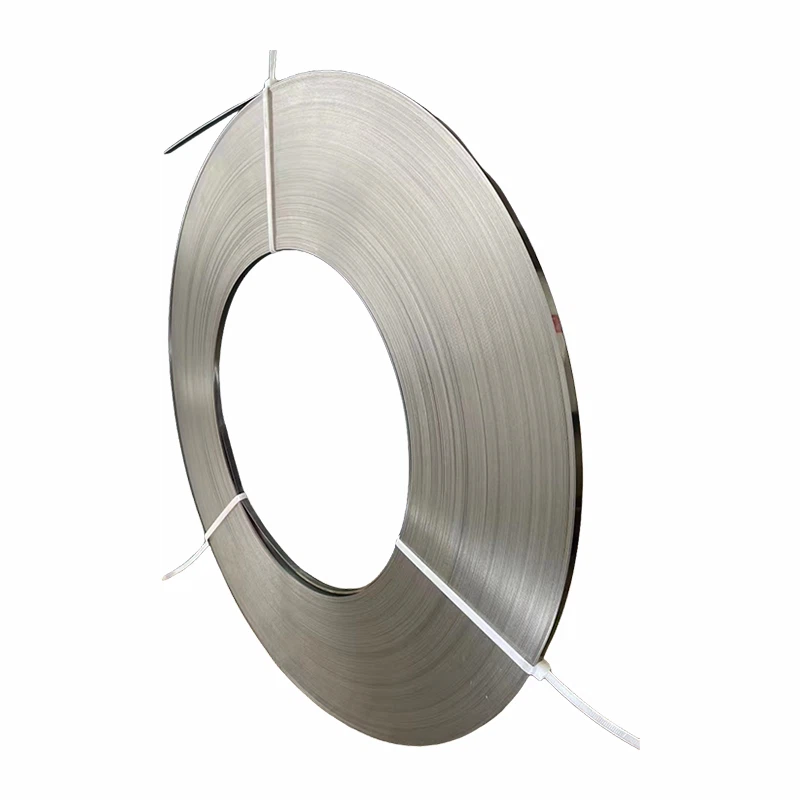
High-Speed Steel (HSS) straight strips are a crucial component in various industrial applications, from cutting tools to machinery parts. One common question that arises among potential buyers is whether HSS straight strips are resistant to corrosion. As a supplier of HSS Straight Strips, I am well - versed in the properties of these products and can shed light on this important topic.
Composition of HSS Straight Strips
To understand the corrosion resistance of HSS straight strips, we first need to look at their composition. HSS is an alloy steel that typically contains high amounts of elements such as tungsten, molybdenum, chromium, and vanadium. These elements contribute to the high hardness, wear resistance, and heat resistance of HSS. Chromium, in particular, plays a significant role in corrosion resistance. Chromium forms a thin, passive oxide layer on the surface of the steel when exposed to oxygen. This layer acts as a barrier, preventing further oxidation and corrosion of the underlying metal.
However, the corrosion resistance of HSS straight strips is not solely determined by the presence of chromium. The overall alloy composition, heat treatment, and the environment in which the strips are used also have a substantial impact.

Factors Affecting Corrosion Resistance
Alloy Composition
In addition to chromium, other elements in the HSS alloy can influence corrosion resistance. For example, molybdenum can enhance the pitting and crevice corrosion resistance of the steel. Tungsten and vanadium, on the other hand, are mainly added to improve the hardness and wear resistance of the HSS, but they may also have some secondary effects on corrosion behavior. A well - balanced alloy composition is essential for achieving optimal corrosion resistance.
Heat Treatment
Heat treatment is a critical process in the production of HSS straight strips. It affects the microstructure of the steel, which in turn influences its corrosion resistance. Proper heat treatment can refine the grain structure of the HSS, making it more resistant to corrosion. For instance, quenching and tempering can improve the hardness and toughness of the steel while also enhancing its ability to resist corrosion.
Environmental Conditions
The environment in which HSS straight strips are used is a major factor in determining their corrosion resistance. In a dry, clean environment, HSS straight strips can exhibit good corrosion resistance due to the protective oxide layer formed on their surface. However, in a harsh environment with high humidity, exposure to chemicals, or saltwater, the corrosion resistance of HSS may be compromised.
Corrosion Resistance in Different Environments
Dry and Clean Environments
In dry and clean environments, HSS straight strips generally have good corrosion resistance. The passive oxide layer formed on the surface of the steel can effectively prevent oxygen and moisture from reaching the underlying metal, thus reducing the risk of corrosion. For example, in indoor manufacturing facilities where the air is dry and free of contaminants, HSS straight strips can maintain their integrity for a long time.
Humid Environments
In humid environments, the presence of moisture can accelerate the corrosion process. The water molecules can break down the passive oxide layer on the surface of the HSS, allowing oxygen to react with the metal and form rust. However, if the humidity is not extremely high and the HSS has a proper alloy composition and heat treatment, it can still resist corrosion to a certain extent. Coatings or surface treatments can also be applied to further enhance the corrosion resistance in humid environments.
Chemical - Rich Environments
When HSS straight strips are exposed to chemicals, such as acids, alkalis, or salts, their corrosion resistance is severely tested. Different chemicals react with the HSS alloy in different ways. For example, acids can dissolve the passive oxide layer and attack the metal directly, while salts can cause pitting corrosion. In chemical - rich environments, special grades of HSS with enhanced corrosion resistance or additional protective coatings may be required.
Comparison with Other Steel Products
Hot Rolled COIL
Compared to hot - rolled coils, HSS straight strips generally have better corrosion resistance in certain aspects. Hot - rolled coils are often used in large - scale construction and manufacturing, and their primary focus is on mechanical properties such as strength and ductility. While some hot - rolled coils can be coated to improve corrosion resistance, the inherent corrosion resistance of HSS straight strips due to their alloy composition gives them an advantage in some applications.
HSS STEEL VANE
HSS steel vanes are also made of high - speed steel, but they may have different corrosion resistance characteristics depending on their design and application. HSS steel vanes are often used in high - speed rotating machinery, where they are subjected to high stress and wear. The corrosion resistance requirements for HSS steel vanes may be different from those of HSS straight strips, as they need to maintain their shape and performance under harsh operating conditions.
Enhancing Corrosion Resistance
Surface Treatments
Surface treatments can significantly improve the corrosion resistance of HSS straight strips. One common surface treatment is coating. Organic coatings, such as paint or epoxy, can provide a physical barrier between the HSS and the environment. Inorganic coatings, such as zinc or chrome plating, can also enhance corrosion resistance by sacrificial protection or forming a more stable oxide layer.
Alloy Modification
Modifying the alloy composition of HSS can also improve its corrosion resistance. By adding small amounts of certain elements, such as nickel or copper, the corrosion resistance of the HSS can be enhanced. However, alloy modification needs to be carefully balanced to ensure that other important properties of the HSS, such as hardness and wear resistance, are not compromised.
Conclusion
In conclusion, the corrosion resistance of HSS straight strips is a complex issue that depends on multiple factors, including alloy composition, heat treatment, and environmental conditions. While HSS straight strips have some inherent corrosion resistance due to the presence of chromium and other alloying elements, their performance can vary significantly depending on the specific application.
As a supplier of HSS Straight Strips, we are committed to providing high - quality products with excellent corrosion resistance. We can offer customized solutions based on your specific requirements, whether you need HSS straight strips for a dry environment or a harsh chemical - rich setting.
If you are interested in purchasing HSS straight strips or have any questions about their corrosion resistance, please feel free to contact us for further discussion and procurement negotiation. We look forward to working with you to meet your industrial needs.
References
-ASM Handbook Volume 13A: Corrosion: Fundamentals, Testing, and Protection. ASM International.
-DeGarmo's Materials and Processes in Manufacturing. T. G. Smidt, J. T. Black. Wiley.
-Introduction to Materials Science for Engineers. James F. Shackelford. Pearson.