

Surface finish is a critical aspect when it comes to High-Speed Steel (HSS) bars. As a leading supplier of HSS bars, I understand the importance of this factor in determining the performance and usability of our products. In this blog, I'll delve into what surface finish means for HSS bars, its significance, and how it impacts various applications.
What is Surface Finish?
Surface finish, also known as surface texture or surface topography, refers to the nature of a surface as defined by the three characteristics of lay, surface roughness, and waviness. For HSS bars, it describes the quality of the outer layer of the steel. A good surface finish is not just about aesthetics; it has a profound effect on the functionality and durability of the HSS bar.
The surface finish of an HSS bar can range from a rough, as-rolled surface to a highly polished finish. The as-rolled surface is the natural state of the bar after the rolling process. It has a certain degree of roughness, which can be suitable for some applications where the bar will be further processed or where a high level of precision is not required. On the other hand, a polished finish provides a smooth and uniform surface, which is often necessary for applications that demand high precision and low friction.
Significance of Surface Finish in HSS Bars
1. Corrosion Resistance
A smooth surface finish can enhance the corrosion resistance of HSS bars. Rough surfaces have more crevices and irregularities where moisture and corrosive agents can accumulate. Over time, these areas are more likely to develop rust and corrosion, which can weaken the bar and reduce its lifespan. A polished surface, however, is less prone to corrosion because it is easier to clean and has fewer areas for corrosive substances to adhere to.
2. Wear Resistance
In applications where the HSS bar is subject to friction and wear, such as in metal cutting or machining operations, a good surface finish is crucial. A smooth surface reduces the coefficient of friction between the bar and the workpiece or other contacting surfaces. This results in less wear on the bar, leading to longer tool life and better cutting performance. For example, HSS Straight Strips for Metal Cutting with a high-quality surface finish can maintain their cutting edge for a longer time, reducing the frequency of tool replacement and improving overall productivity.
3. Dimensional Accuracy
Surface finish also plays a role in ensuring dimensional accuracy. A rough surface can cause variations in the measured dimensions of the bar, which can be problematic in applications that require tight tolerances. A smooth and uniform surface finish allows for more accurate measurement and machining, ensuring that the final product meets the required specifications.
4. Aesthetic Appeal
Although not always the primary consideration, the aesthetic appeal of an HSS bar can be important in some applications. For example, in architectural or decorative uses, a polished surface finish can give the bar a more professional and attractive appearance.
Factors Affecting Surface Finish
1. Manufacturing Process
The manufacturing process of HSS bars has a significant impact on their surface finish. The rolling process, for instance, can leave behind marks and irregularities on the surface. The quality of the rolling equipment and the precision of the rolling parameters, such as temperature and pressure, can affect the smoothness of the surface. Additionally, post-processing operations like grinding and polishing can be used to improve the surface finish.
2. Material Quality
The quality of the raw material used to produce the HSS bar also influences the surface finish. Impurities and inclusions in the steel can cause surface defects, such as pits and cracks. High-quality steel with fewer impurities is more likely to result in a better surface finish.

3. Handling and Storage
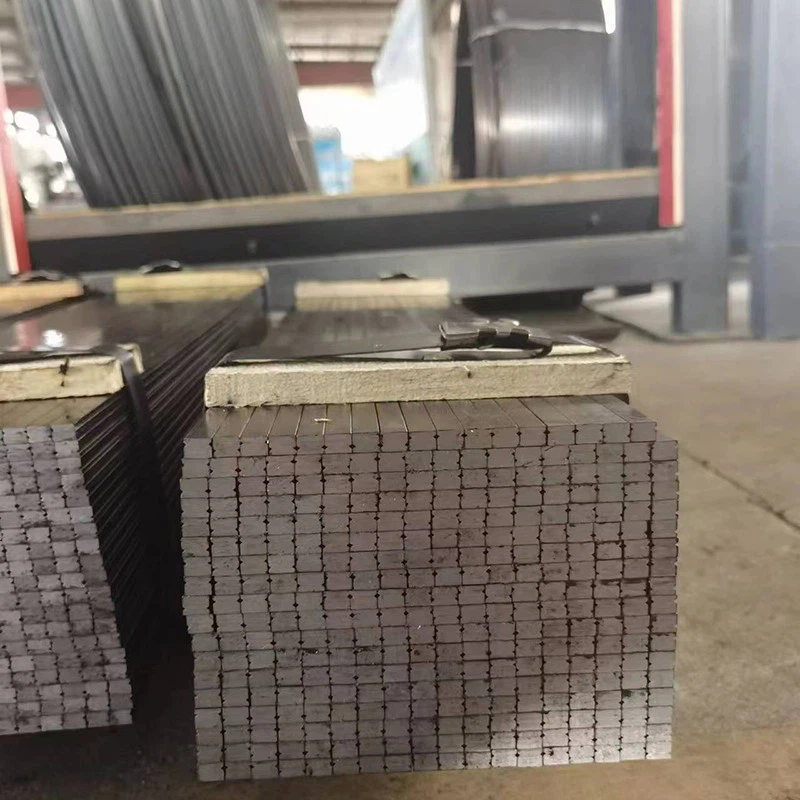
Proper handling and storage of HSS bars are essential to maintain their surface finish. During transportation and storage, the bars can be scratched or damaged if not handled carefully. Exposure to moisture and other corrosive environments can also degrade the surface finish. Therefore, it is important to store the bars in a dry and clean environment and use appropriate protective measures during handling.
Different Types of Surface Finishes for HSS Bars
1. As-Rolled Finish
This is the most basic surface finish for HSS bars. It is the result of the rolling process and has a relatively rough texture. As-rolled bars are often used in applications where the surface finish is not a critical factor, such as in structural applications or where the bar will be further processed.
2. Ground Finish
A ground finish is achieved by grinding the surface of the HSS bar using abrasive wheels. This process removes the surface irregularities left by the rolling process and provides a smoother and more uniform surface. Ground bars are commonly used in applications that require higher precision, such as in the manufacturing of machine parts.
3. Polished Finish
A polished finish is the highest level of surface finish for HSS bars. It is obtained by polishing the bar using fine abrasives or chemical polishing methods. Polished bars have a mirror-like surface with excellent smoothness and reflectivity. They are typically used in applications where aesthetics, low friction, and high corrosion resistance are required, such as in the production of medical instruments and precision tools.
Applications of HSS Bars with Different Surface Finishes
1. Metal Cutting and Machining
In metal cutting and machining operations, HSS bars with a smooth surface finish, such as HSS Straight Strips, are preferred. The smooth surface reduces friction and wear, allowing for more efficient cutting and longer tool life. Ground or polished HSS bars are commonly used in milling, turning, and drilling operations.
2. Linear Guide Rails
Linear Guide Rail Substrate often require HSS bars with a high-quality surface finish. A smooth surface is necessary to ensure smooth and precise movement of the guide rail. Ground or polished HSS bars are used to minimize friction and improve the accuracy and durability of the linear guide rail system.
3. Tool Manufacturing
In the manufacturing of tools, such as drills, taps, and end mills, the surface finish of the HSS bar is crucial. A good surface finish ensures the sharpness and cutting performance of the tool. Polished HSS bars are often used to produce high-quality tools that can withstand the rigors of heavy-duty machining operations.
Conclusion
In conclusion, the surface finish of HSS bars is a crucial factor that affects their performance, durability, and usability in various applications. As a supplier of HSS bars, we understand the importance of providing bars with the appropriate surface finish to meet the specific needs of our customers. Whether you need as-rolled bars for structural applications or polished bars for precision tools, we have the expertise and resources to deliver high-quality products.
If you are interested in purchasing HSS bars or have any questions about surface finishes, please feel free to contact us for a detailed discussion. Our team of experts is ready to assist you in finding the best solutions for your specific requirements.
References
- ASM Handbook, Volume 7: Powder Metallurgy, ASM International
- Metals Handbook: Properties and Selection: Irons, Steels, and High-Performance Alloys, ASM International


