

As a supplier of M2 High Speed Steel Plate, I often receive inquiries about the recommended tempering process for this particular type of steel. M2 High Speed Steel is widely used in various industries due to its excellent combination of hardness, wear resistance, and toughness. The tempering process plays a crucial role in achieving the desired mechanical properties of the steel plate. In this blog post, I will delve into the details of the recommended tempering process for M2 High Speed Steel Plate.
Understanding M2 High Speed Steel
Before discussing the tempering process, it's important to have a basic understanding of M2 High Speed Steel. M2 is a molybdenum-based high-speed steel that contains significant amounts of tungsten, chromium, vanadium, and molybdenum. These alloying elements contribute to its high hardness, red hardness, and wear resistance, making it suitable for applications such as cutting tools, drills, and dies.
The Importance of Tempering
Tempering is a heat treatment process that follows quenching. After quenching, the steel is in a highly stressed and brittle state. Tempering helps to relieve these internal stresses, reduce brittleness, and improve the toughness of the steel while maintaining a reasonable level of hardness. The tempering process involves heating the quenched steel to a specific temperature and holding it at that temperature for a certain period of time, followed by controlled cooling.
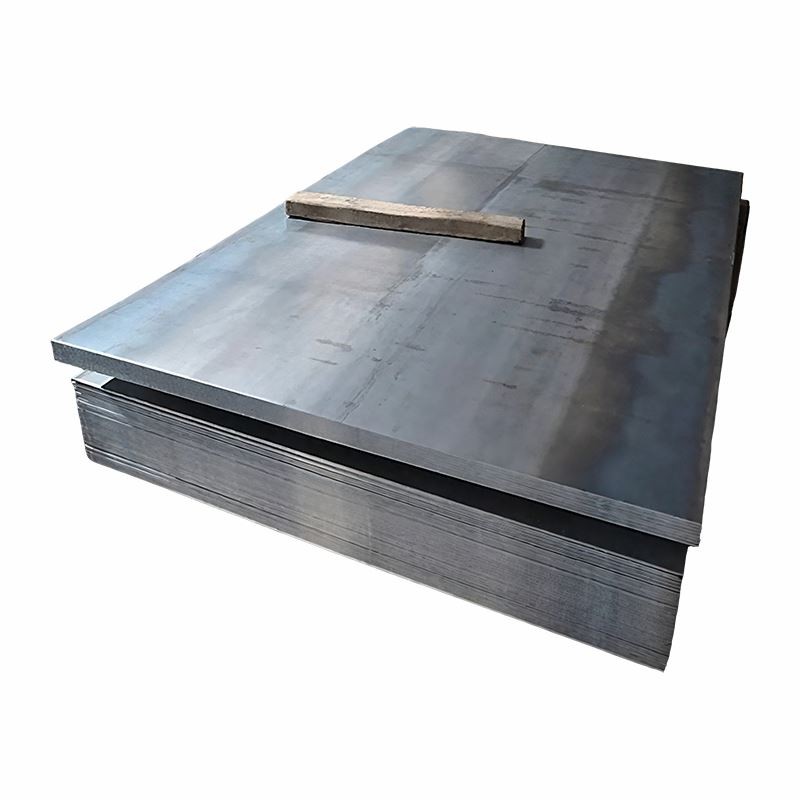
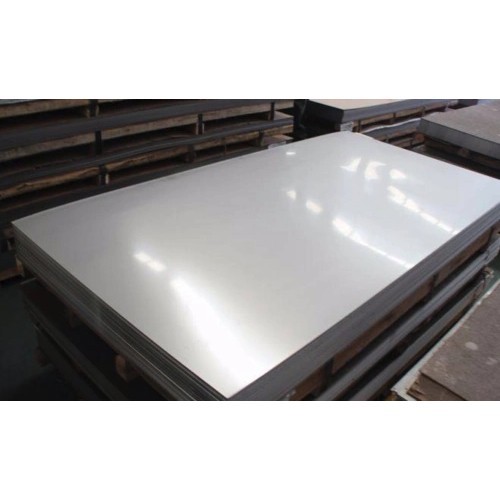
Recommended Tempering Process for M2 High Speed Steel Plate
The recommended tempering process for M2 High Speed Steel Plate typically involves multiple tempering cycles. Here is a step-by-step guide to the process:
Step 1: Preheating
Before the actual tempering process, it is advisable to preheat the M2 High Speed Steel Plate to a temperature of around 400 - 500°C (752 - 932°F). Preheating helps to reduce the thermal shock during the subsequent heating stages and ensures a more uniform temperature distribution throughout the plate.
Step 2: First Tempering Cycle
The first tempering cycle is usually carried out at a temperature in the range of 550 - 570°C (1022 - 1058°F). The plate is heated to this temperature and held for a sufficient time, typically 1 - 2 hours, depending on the thickness of the plate. This initial tempering cycle helps to relieve the internal stresses induced during quenching and starts the process of precipitation hardening.
Step 3: Cooling
After the first tempering cycle, the plate is cooled in still air or a controlled cooling medium. The cooling rate should be moderate to avoid the formation of new internal stresses.
Step 4: Second Tempering Cycle
A second tempering cycle is often necessary to further improve the mechanical properties of the M2 High Speed Steel Plate. This cycle is usually performed at a slightly higher temperature than the first cycle, typically in the range of 560 - 580°C (1040 - 1076°F). The plate is again held at this temperature for 1 - 2 hours. The second tempering cycle helps to increase the hardness and wear resistance of the steel by promoting the precipitation of fine carbides.
Step 5: Final Cooling
After the second tempering cycle, the plate is cooled to room temperature. Similar to the first cooling stage, the cooling rate should be controlled to prevent the development of new stresses.
Step 6: Optional Third Tempering Cycle
In some cases, a third tempering cycle may be recommended, especially for applications where extremely high hardness and wear resistance are required. The third tempering cycle is typically carried out at a temperature similar to the second cycle, and the plate is held for another 1 - 2 hours.
Factors Affecting the Tempering Process
Several factors can affect the tempering process and the resulting mechanical properties of the M2 High Speed Steel Plate. These factors include:
- Quenching Conditions: The quenching process, including the quenching medium and cooling rate, can significantly influence the initial microstructure of the steel and, consequently, the effectiveness of the tempering process.
- Plate Thickness: Thicker plates may require longer holding times during tempering to ensure uniform heating and cooling throughout the plate.
- Alloy Composition: Variations in the alloy composition of the M2 High Speed Steel can affect the optimal tempering temperature and time.
Applications of M2 High Speed Steel Plate
M2 High Speed Steel Plate is widely used in a variety of applications, including:
- Cutting Tools: Due to its high hardness and wear resistance, M2 High Speed Steel is commonly used for manufacturing cutting tools such as drills, end mills, and saw blades.
- Dies and Punches: The excellent combination of hardness and toughness makes M2 High Speed Steel suitable for dies and punches used in metal forming processes.
- Machine Components: M2 High Speed Steel Plate can also be used for manufacturing machine components that require high strength and wear resistance.
Related Products
If you are interested in other types of steel products, we also offer Hot Rolled Steel Sheets, M42 High Speed Steel Sheet, and Special Steel Sheet. These products have their own unique properties and applications, and our team can provide you with more detailed information based on your specific requirements.
Conclusion
The recommended tempering process for M2 High Speed Steel Plate is a critical step in achieving the desired mechanical properties of the steel. By following the multiple tempering cycles outlined above, you can ensure that the M2 High Speed Steel Plate has the right balance of hardness, toughness, and wear resistance for your specific application.
If you are in the market for high-quality M2 High Speed Steel Plate or have any questions about the tempering process or our other steel products, please feel free to contact us. Our team of experts is ready to assist you with your procurement needs and provide you with the best solutions for your projects.
References
- ASM Handbook, Volume 4: Heat Treating. ASM International.
- Steel Heat Treatment: Metallurgy and Technologies. L. C. Zhang, D. V. Doane, and R. F. Hehemann. ASM International.


