

When it comes to using high speed steel (HSS) saw blades, one crucial aspect that often gets overlooked is the noise level generated during operation. As a supplier of high quality HSS saw blades, I understand the importance of not only providing cutting - edge products but also ensuring that users are well - informed about all aspects of their use. In this blog, we'll delve into the noise levels associated with HSS saw blades, what factors influence them, and how they compare to other types of saw blades.
Understanding Noise Levels in Saw Blade Operations
Noise in the context of saw blade operation is the sound produced as the blade cuts through a material. It is measured in decibels (dB). The noise level can vary significantly depending on the type of saw blade, the material being cut, the cutting speed, and the machinery used.
High speed steel saw blades are known for their ability to cut through a variety of materials, including metals, at relatively high speeds. However, this high - speed operation often comes with a certain level of noise. On average, the noise level when using HSS saw blades can range from 80 dB to 100 dB. To put this into perspective, normal conversation usually occurs at around 60 dB, while a lawnmower can produce noise levels of about 90 dB.
A noise level above 85 dB is considered potentially harmful to human hearing if exposure is prolonged. Therefore, it's essential for users of HSS saw blades to take appropriate safety measures, such as wearing hearing protection.
Factors Affecting the Noise Level of HSS Saw Blades
1. Material Being Cut
The type of material being cut has a significant impact on the noise level. When cutting softer materials like aluminum or copper, the noise level is generally lower compared to cutting harder materials such as stainless steel or hardened steel. Softer materials offer less resistance to the saw blade, resulting in smoother cuts and less vibration, which in turn reduces noise. For example, cutting through a thin sheet of aluminum might generate a noise level of around 80 dB, while cutting a thick piece of stainless steel could push the noise level up to 95 dB or more.
2. Blade Design
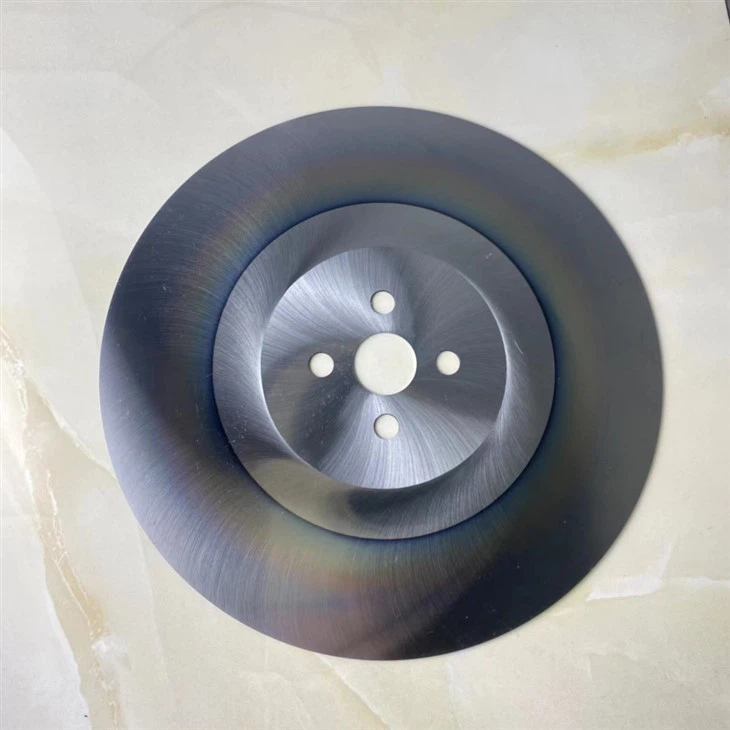
The design of the HSS saw blade also plays a role in noise generation. Blades with a higher tooth count tend to produce less noise because they make smaller, more precise cuts. Each tooth removes a smaller amount of material, reducing the amount of force and vibration during the cutting process. Additionally, blades with special coatings or treatments can reduce friction, which also helps in lowering the noise level. For instance, a HSS Circular Saw Blades with a high tooth count and a titanium nitride coating will likely operate more quietly than a standard blade.
3. Cutting Speed
The speed at which the saw blade rotates is directly related to the noise level. Higher cutting speeds generally result in more noise. This is because at high speeds, the teeth of the blade interact with the material more forcefully, causing greater vibration and noise. Operators should find a balance between the cutting speed required for the job and the acceptable noise level. Sometimes, reducing the cutting speed slightly can significantly lower the noise without sacrificing too much in terms of cutting efficiency.
4. Machinery and Setup
The sawing machine itself and how it is set up can influence the noise level. A well - maintained machine with proper alignment and tension will produce less noise compared to a machine that is in poor condition. Loose belts, misaligned blades, or worn - out bearings can all contribute to increased vibration and noise. Ensuring that the saw blade is correctly installed and that the machine is balanced can go a long way in reducing the noise generated during operation.
Comparing HSS Saw Blades with Other Types of Saw Blades
1. Carbide - Tipped Saw Blades
Carbide - tipped saw blades are known for their durability and ability to make clean cuts. In terms of noise level, they can be comparable to HSS saw blades when cutting similar materials. However, carbide - tipped blades may produce slightly less noise in some cases because the carbide tips are harder and can cut through materials more smoothly. But this also depends on the specific design and application of the blade.

2. Diamond Saw Blades
Diamond saw blades are typically used for cutting very hard materials such as concrete and stone. These blades often generate a high level of noise, usually above 100 dB, due to the extreme hardness of the materials they cut and the high - speed operation required. In comparison, HSS saw blades used for metal cutting generally produce less noise, making them a more suitable option for environments where noise control is a concern.
Mitigating Noise when Using HSS Saw Blades
1. Hearing Protection
As mentioned earlier, wearing appropriate hearing protection is essential when working with HSS saw blades. Earplugs or earmuffs can significantly reduce the amount of noise reaching the ears, protecting the user's hearing.
2. Blade Selection
Choosing the right HSS saw blade for the job can help reduce noise. Opt for blades with a higher tooth count and special coatings as they are likely to operate more quietly. For example, Hss Circular Saw Blades for Metal Cutting are designed specifically for metal cutting applications and can be selected based on their noise - reducing features.
3. Machine Maintenance
Regular maintenance of the sawing machine is crucial. Keep the machine clean, lubricate moving parts, and check for proper alignment and tension. A well - maintained machine will not only reduce noise but also improve the overall cutting performance and extend the lifespan of the saw blade.
4. Enclosures and Barriers
Using enclosures or noise - reducing barriers around the sawing area can help contain the noise. These enclosures can be made of sound - absorbing materials and can significantly reduce the noise level in the surrounding environment.
Conclusion
The noise level when using high speed steel saw blades is an important consideration for both users and suppliers. As a supplier of HSS saw blades, I am committed to providing products that not only offer excellent cutting performance but also take into account the comfort and safety of the users. By understanding the factors that affect noise levels and implementing appropriate mitigation strategies, users can enjoy the benefits of HSS saw blades while minimizing the potential negative impacts of noise.
If you're interested in learning more about our high - quality HSS saw blades or have any questions regarding noise levels and cutting applications, we encourage you to reach out to us for a procurement discussion. We're here to help you find the perfect saw blade solution for your needs.
References
- ASME B173.10 - 2009. Safety Standard for Portable Circular Saws.
- OSHA. Occupational Noise Exposure.
- Machinery's Handbook, 31st Edition.


