

Hey there! As a supplier of High Speed Steel (HSS) Saw Blades, I often get asked about the maximum cutting depth of these blades. It's a crucial question, especially for those in the metalworking industry. So, let's dive right in and explore this topic.
First off, what exactly is high speed steel? HSS is a type of tool steel known for its ability to withstand high temperatures and maintain its hardness. This makes it ideal for cutting through various metals at high speeds. Our HSS saw blades are designed to offer exceptional performance and durability, whether you're cutting through stainless steel, mild steel, or other alloys.
The maximum cutting depth of an HSS saw blade depends on several factors. One of the most important is the diameter of the blade. Generally speaking, the larger the diameter of the blade, the greater the cutting depth. For example, a 12 - inch diameter HSS saw blade can typically cut deeper than a 10 - inch one. But it's not just about the diameter; the thickness of the blade also plays a role. Thicker blades are often more rigid and can handle deeper cuts without flexing or breaking.
Another factor that affects the maximum cutting depth is the type of material being cut. Different metals have different hardness levels, and this can impact how deep the saw blade can cut. For instance, cutting through stainless steel is more challenging than cutting through mild steel. Stainless steel is harder and more resistant to cutting, so the saw blade may not be able to cut as deep as it would in mild steel. That's why we offer Saw Blade To Cut Stainless Steel, which are specifically designed to handle the unique properties of stainless steel.
The design of the saw blade's teeth also matters. The shape, size, and number of teeth can all influence the cutting depth. Blades with larger teeth are often better for making deep cuts, as they can remove more material with each pass. However, blades with a higher number of teeth can provide a smoother cut, which is important for applications where precision is key.
Now, let's talk about some real - world scenarios. In a typical metalworking shop, a common HSS saw blade might have a diameter of 10 - 12 inches. For mild steel, these blades can usually cut to a depth of around 3 - 4 inches. But if you're working with a harder material like stainless steel, the cutting depth might be reduced to 2 - 3 inches.
Our Hss Circular Saw Blades for Metal Cutting are engineered to optimize cutting depth while maintaining high performance. They are made from high - quality HSS, which ensures long - lasting sharpness and resistance to wear. These blades are suitable for a wide range of metal cutting applications, from small - scale projects to large - scale industrial operations.
If you're looking for a more specialized blade, our HSS DMO5 Circular Saw Blades are a great option. These blades are designed for high - speed cutting and can handle tough materials with ease. They offer excellent cutting performance and can achieve relatively deep cuts, even in challenging metals.
It's important to note that the maximum cutting depth is also affected by the sawing machine itself. The power, speed, and stability of the machine can all impact how deep the blade can cut. A more powerful sawing machine with a stable base is more likely to support deeper cuts.

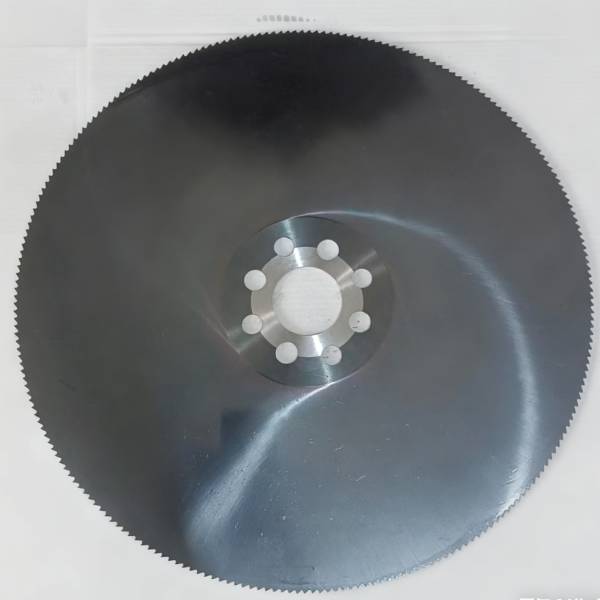
When using HSS saw blades, it's crucial to follow proper safety procedures. Always wear appropriate protective gear, such as safety glasses and gloves. Make sure the saw blade is properly installed and tightened before use. And never force the blade to cut deeper than it's designed to. This can not only damage the blade but also pose a safety risk.
In addition to the cutting depth, there are other factors to consider when choosing an HSS saw blade. The blade's speed rating is important, as it determines how fast the blade can rotate without overheating or becoming damaged. You also need to consider the feed rate, which is the speed at which the material is fed into the blade. A proper balance between the blade speed and feed rate is essential for achieving optimal cutting performance.
If you're in the market for HSS saw blades, we're here to help. Our team of experts can provide you with detailed information about our products and help you choose the right blade for your specific needs. Whether you're a small - business owner, a DIY enthusiast, or a large - scale industrial operation, we have the right solution for you.
So, if you're interested in purchasing our HSS saw blades, don't hesitate to reach out. We're ready to discuss your requirements and provide you with a quote. Our goal is to offer you the best quality products at competitive prices, and we're committed to providing excellent customer service.
In conclusion, the maximum cutting depth of HSS saw blades depends on multiple factors, including blade diameter, material type, tooth design, and the sawing machine. By understanding these factors, you can make an informed decision when choosing a saw blade for your metal cutting needs. And if you have any questions or need further assistance, just let us know. We're here to make your metalworking projects a success.
References
- "Metal Cutting Handbook" by various industry experts
- Technical specifications provided by HSS saw blade manufacturers


