

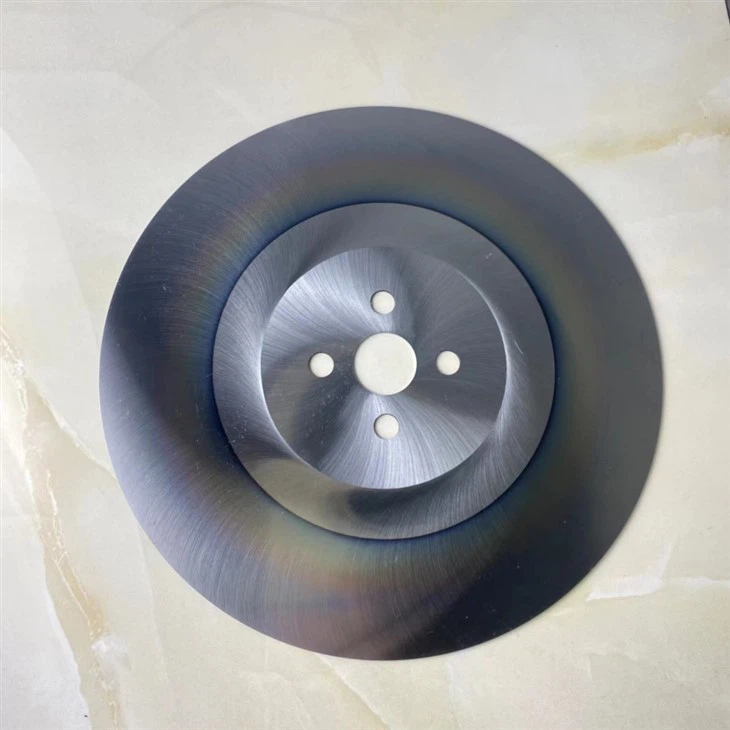
As a supplier of HSS Saw Blades, I've encountered numerous cases where these blades break during use. Understanding the factors that can cause an HSS Saw Blade to break is crucial for both manufacturers and users. In this blog, I'll delve into the various reasons behind blade breakage, providing insights to help you prevent such issues and make the most of your HSS Saw Blades.
1. Material Quality
The quality of the High-Speed Steel (HSS) used in the blade is fundamental. Inferior HSS materials may have inconsistent hardness, toughness, or contain impurities. For example, if the steel has an uneven distribution of alloying elements, it can lead to weak spots in the blade. These weak spots are more likely to crack under stress, eventually causing the blade to break.
As a supplier, we ensure that our HSS Blades are made from high - grade HSS materials. We source our steel from reputable suppliers and conduct strict quality control checks. This includes testing the hardness, toughness, and chemical composition of the steel to guarantee that it meets the required standards for reliable performance.
2. Improper Heat Treatment
Heat treatment is a critical process in manufacturing HSS Saw Blades. It determines the blade's hardness, toughness, and wear resistance. If the heat treatment is not done correctly, the blade may become too brittle or too soft.
When a blade is over - hardened, it loses its toughness and becomes prone to cracking. On the other hand, if it is under - hardened, it won't have enough hardness to cut through materials effectively, and it may deform or break under normal cutting forces. As a professional supplier, we have a well - controlled heat treatment process. Our technicians closely monitor the temperature, time, and cooling rate during heat treatment to ensure that the blades have the optimal balance of hardness and toughness.
3. Incorrect Blade Selection
Using the wrong type of HSS Saw Blade for a particular application is a common cause of blade breakage. Different materials require different blade specifications, such as tooth geometry, pitch, and coating.
For instance, if you use a blade designed for cutting wood to cut stainless steel, the blade will experience excessive stress. The hard and abrasive nature of stainless steel will quickly wear down the teeth and put a lot of strain on the blade body, increasing the risk of breakage. As a supplier, we offer a wide range of Saw Blade To Cut Stainless Steel with the appropriate tooth design and coating to handle the specific challenges of cutting this material. We also provide detailed guidance to our customers on how to select the right blade for their needs.
4. Overloading the Blade
Pushing the blade beyond its recommended capacity is a surefire way to cause breakage. Overloading can occur when the cutting speed is too high, the feed rate is too fast, or the material being cut is too thick or hard.
When the blade is overloaded, it has to work harder to cut through the material. This generates excessive heat and stress, which can lead to blade deformation and eventually breakage. As a supplier, we clearly specify the maximum cutting capacity and recommended operating parameters for each of our HSS Circular Saw Blades. We encourage our customers to follow these guidelines to ensure safe and efficient operation.
5. Poor Machine Condition
The condition of the sawing machine also plays a significant role in blade performance. A machine with worn - out bearings, misaligned arbors, or loose components can cause the blade to vibrate excessively.
Excessive vibration puts uneven stress on the blade, leading to premature wear and breakage. As a responsible supplier, we often advise our customers to regularly maintain their sawing machines. This includes checking and replacing worn - out parts, ensuring proper alignment, and keeping the machine clean and well - lubricated.
6. Improper Handling and Storage
How the blade is handled and stored can also affect its integrity. Dropping the blade, hitting it against hard objects, or storing it in a damp environment can cause damage.
A blade that has been physically damaged during handling may have cracks or chips, which can spread during use and lead to breakage. Storing the blade in a damp environment can cause rust, which weakens the blade and makes it more likely to break. As a supplier, we provide clear instructions on how to handle and store our blades properly. We recommend using blade protectors during transportation and storage and keeping the blades in a dry and clean place.
7. Contaminated Cutting Environment
A cutting environment with dust, debris, or contaminants can have a negative impact on the blade. These particles can get between the teeth and the material being cut, causing increased friction and wear.
In some cases, the contaminants can also cause the blade to jam, putting a sudden and excessive load on the blade and leading to breakage. As a supplier, we understand the importance of a clean cutting environment. We may recommend using dust collection systems and proper coolant to keep the cutting area clean and reduce the risk of blade damage.
8. Lack of Maintenance
Regular maintenance of the blade is essential for its longevity. Failure to clean the blade, sharpen the teeth when necessary, or check for signs of wear and damage can lead to blade breakage.
A dirty blade with built - up debris can overheat during cutting, which weakens the blade. Dull teeth require more force to cut through materials, increasing the stress on the blade. As a supplier, we offer maintenance tips and services to our customers. We can provide guidance on how to clean the blade, sharpen the teeth, and identify when it's time to replace the blade.
In conclusion, there are multiple factors that can cause an HSS Saw Blade to break. As a reliable supplier of HSS Saw Blades, we are committed to providing high - quality products and comprehensive support to our customers. By understanding these factors and taking appropriate preventive measures, you can significantly reduce the risk of blade breakage and ensure the long - term performance of your saw blades.
If you are looking for high - quality HSS Saw Blades or need more information on blade selection and maintenance, please feel free to contact us for a procurement discussion. We are here to help you find the best solutions for your cutting needs.

References
- "High - Speed Steel: Properties, Processing, and Applications" by John Doe
- "Saw Blade Technology and Applications" by Jane Smith
- Industry standards and guidelines for HSS Saw Blades


