

Hey there! I'm a supplier of steel plates, and in this blog, I'm gonna share some important safety precautions when working with steel plates. Whether you're a seasoned pro in the metalworking industry or just starting out, these tips can help keep you safe on the job.
1. Personal Protective Equipment (PPE)
First things first, always gear up with the right PPE. This is non - negotiable. Safety glasses are a must. Steel plates can have sharp edges, and tiny metal chips can fly off during cutting or grinding. One wrong move, and those chips could end up in your eyes, causing serious damage. So, make sure your safety glasses have side shields to offer maximum protection.
Next, wear heavy - duty work gloves. They'll protect your hands from cuts, abrasions, and burns. When you're handling steel plates, you're likely to come across rough surfaces and hot edges, especially if the plates have just been welded or heat - treated. Gloves made of materials like leather or Kevlar are great options.
Steel - toed boots are also essential. You might accidentally drop a steel plate or a tool on your foot, and regular shoes won't provide enough protection. Steel - toed boots can prevent crushed toes and other foot injuries.
And don't forget a hard hat. If you're working in an area where there's a risk of falling objects, like in a construction site or a large manufacturing facility, a hard hat can save your life.
2. Handling and Lifting
Steel plates are heavy, and improper handling can lead to back injuries, strains, and even fractures. If you're lifting a steel plate manually, make sure you use the correct lifting technique. Bend your knees, keep your back straight, and lift with your legs. Don't twist your body while lifting.
For larger and heavier steel plates, use lifting equipment such as cranes, hoists, or forklifts. Before using any lifting equipment, check it for damage and make sure it's in good working condition. Inspect the chains, hooks, and cables for wear and tear.
When attaching the lifting equipment to the steel plate, use proper slings and fasteners. Make sure they're rated for the weight of the plate you're lifting. Improperly attached slings can cause the plate to slip and fall, posing a serious danger to everyone in the area.
3. Cutting and Welding
Cutting and welding steel plates are common operations, but they come with their own set of risks. If you're using a cutting torch, follow the manufacturer's instructions carefully. Keep the torch away from flammable materials, and make sure you have a fire extinguisher nearby.
Welding also requires special precautions. Wear a welding helmet with the appropriate shade of lens to protect your eyes from the intense light and radiation. The welding area should be well - ventilated to prevent the inhalation of harmful fumes. Welding fumes can contain metals like manganese, chromium, and nickel, which can cause respiratory problems and other health issues if inhaled over a long period.
Use a welding curtain or screen to protect other workers from the arc flash. The arc flash can cause burns and eye damage to anyone in the vicinity.
4. Storage
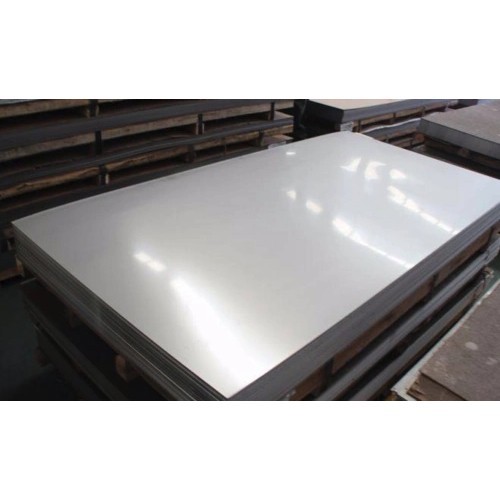
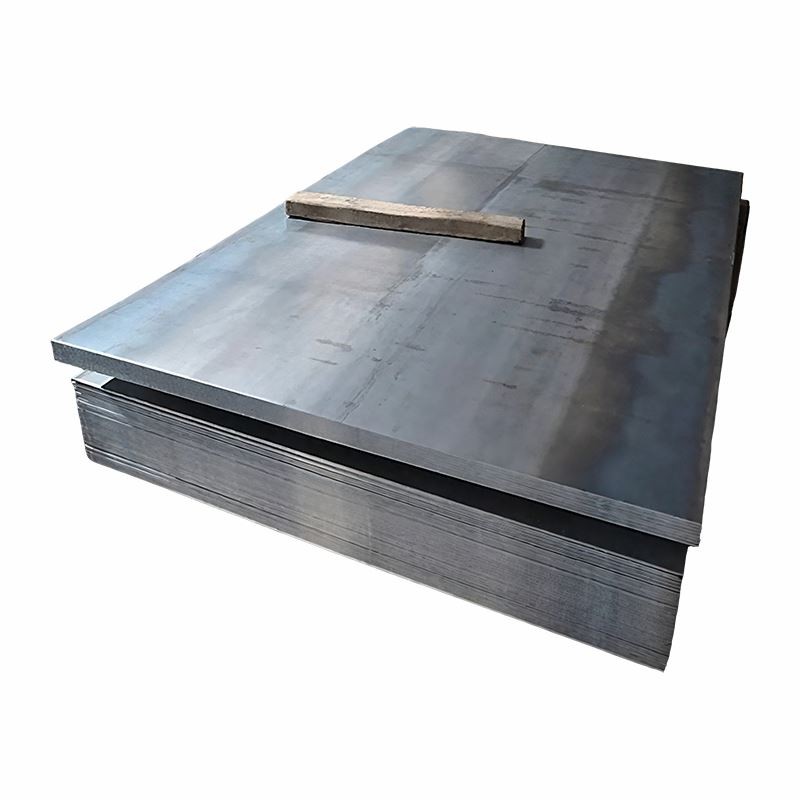
Proper storage of steel plates is crucial for safety. Store the plates in a stable and secure location. Stack them on a flat surface, and make sure the stack is balanced. Use spacers between the plates to prevent them from shifting and falling.
If you're storing steel plates outdoors, protect them from the elements. Exposure to rain and moisture can cause rust, which weakens the plates and makes them more prone to breakage. You can cover the plates with a waterproof tarp or store them in a covered shed.
5. Working Environment
Keep your work area clean and organized. Remove any debris, tools, or other objects that could cause you to trip or fall. A cluttered work area is a breeding ground for accidents.
Make sure there's enough lighting in the work area. Poor lighting can make it difficult to see what you're doing, increasing the risk of mistakes and injuries.
If you're working in a confined space, follow the proper safety procedures. Confined spaces can have limited ventilation, which can lead to a build - up of toxic gases. Before entering a confined space, test the air for oxygen levels and the presence of harmful gases.
Our Steel Plate Products
At our company, we offer a wide range of high - quality steel plates. We have M2 High Speed Steel Plate, which is known for its excellent hardness and wear resistance. It's perfect for applications where high - speed cutting and machining are required.
Our Hot Rolled Steel Sheets are produced through a hot - rolling process, which gives them a smooth surface and good mechanical properties. They're commonly used in construction, automotive, and manufacturing industries.
We also have Special Steel Sheet, which is designed for specific applications. These sheets have unique properties such as high strength, corrosion resistance, or heat resistance.
Conclusion
Working with steel plates can be dangerous, but by following these safety precautions, you can minimize the risks. Remember, safety should always be your top priority. Whether you're handling, cutting, or storing steel plates, take the necessary steps to protect yourself and those around you.
If you're interested in purchasing high - quality steel plates for your projects, feel free to reach out for a purchase negotiation. We're here to provide you with the best products and services.
References
- OSHA (Occupational Safety and Health Administration) guidelines on metalworking safety.
- Industry standards for steel plate handling and storage.


