Hey there! As a supplier of M2 High Speed Steel Plate, I often get asked about how to weld this particular type of steel. Welding M2 High Speed Steel Plate isn't like your regular welding jobs; it comes with its own set of challenges and requirements. In this blog, I'll share some tips and techniques on how to weld M2 High Speed Steel Plate effectively.
Understanding M2 High Speed Steel Plate
First off, let's understand what M2 High Speed Steel Plate is. M2 is a popular grade of high-speed steel known for its excellent combination of hardness, wear resistance, and toughness. It's widely used in cutting tools, drills, and other applications where high performance is required. You can find more info about High Speed Steel Plate on our website.
This steel contains elements like tungsten, molybdenum, chromium, and vanadium, which give it its unique properties. However, these same elements also make it a bit tricky to weld. The high alloy content can lead to issues like cracking, reduced toughness, and changes in the steel's microstructure during the welding process.
Pre-Welding Preparations
Before you even think about striking an arc, there are several important pre-welding steps you need to take.
Cleaning the Plate
The first step is to clean the M2 High Speed Steel Plate thoroughly. Any dirt, grease, rust, or oxide on the surface can contaminate the weld and cause defects. Use a wire brush, grinder, or a suitable cleaning solvent to remove all impurities. Make sure to clean the area around the weld joint as well, at least a couple of inches on either side.
Preheating the Plate
Preheating is crucial when welding M2 High Speed Steel Plate. The high alloy content in the steel makes it prone to cracking due to rapid cooling. Preheating slows down the cooling rate after welding, reducing the risk of cracking.
The preheating temperature typically ranges from 300°F to 500°F (150°C to 260°C), but it can vary depending on the thickness of the plate and the welding process you're using. Use a preheating torch or an induction heater to heat the plate evenly. Make sure to measure the temperature with a pyrometer to ensure you're within the recommended range.
Selecting the Right Welding Consumables
Choosing the correct welding consumables is essential for a successful weld. You need a filler metal that is compatible with M2 High Speed Steel. A high-speed steel filler rod or electrode with similar alloy composition is usually a good choice. This helps to maintain the properties of the base metal and ensures a strong, durable weld.
Welding Techniques
Now that you've done all the pre-welding preparations, it's time to start welding. Here are some welding techniques that work well for M2 High Speed Steel Plate.
TIG Welding
Tungsten Inert Gas (TIG) welding is a popular choice for welding M2 High Speed Steel Plate. It offers precise control over the welding process, allowing you to make high-quality, clean welds. TIG welding uses a non-consumable tungsten electrode and an inert gas (usually argon) to protect the weld from oxidation.

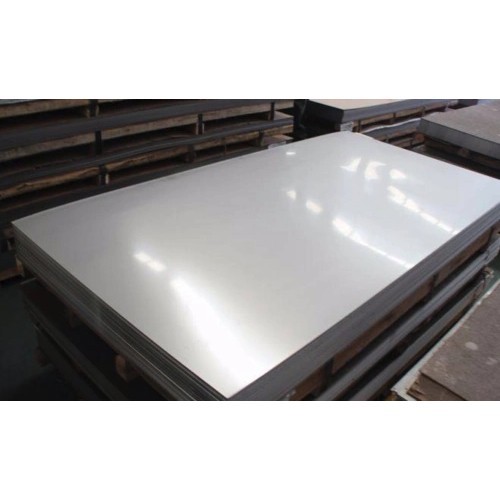
When TIG welding M2 High Speed Steel Plate, use a low welding current to avoid overheating the metal. Keep the arc length short and move the torch steadily along the weld joint. Use a filler rod if necessary, but make sure to add it slowly and evenly to the weld pool.
MIG Welding
Metal Inert Gas (MIG) welding can also be used to weld M2 High Speed Steel Plate, but it requires more skill and experience. MIG welding uses a consumable wire electrode and an inert gas to create the weld.
One of the challenges with MIG welding M2 High Speed Steel is controlling the heat input. Too much heat can cause the steel to lose its hardness and toughness. Use a lower wire feed speed and a lower voltage to reduce the heat input. Also, make sure to use a shielding gas that is suitable for high-speed steel, such as a mixture of argon and carbon dioxide.
Stick Welding
Shielded Metal Arc Welding (SMAW), also known as stick welding, is another option for welding M2 High Speed Steel Plate. Stick welding uses a consumable electrode coated with a flux that protects the weld from oxidation.
When stick welding M2 High Speed Steel, use a small-diameter electrode to control the heat input. Keep the arc short and use a weaving technique to distribute the heat evenly. Make sure to clean the slag between each pass to ensure a clean, strong weld.
Post-Welding Treatments
After you've completed the weld, there are some post-welding treatments you need to do to ensure the weld has the desired properties.
Post-Weld Heat Treatment
Post-weld heat treatment is essential for M2 High Speed Steel Plate. It helps to relieve the residual stresses in the weld and restore the steel's hardness and toughness. The post-weld heat treatment typically involves a tempering process.
Heat the welded plate to a temperature of around 1000°F to 1100°F (540°C to 590°C) and hold it at that temperature for a specified period of time (usually a few hours). Then, allow the plate to cool slowly in the furnace or in an insulated container. This helps to refine the microstructure of the weld and improve its mechanical properties.
Grinding and Finishing
Once the post-weld heat treatment is done, you can grind and finish the weld to remove any excess filler metal and smooth out the surface. Use a grinder with a suitable grinding wheel to shape the weld and make it flush with the base metal. You can also use a polishing wheel to give the weld a smooth, finished appearance.
Common Welding Problems and Solutions
Even if you follow all the steps correctly, you may still encounter some common welding problems when working with M2 High Speed Steel Plate. Here are some of the most common problems and their solutions.
Cracking
Cracking is one of the most common problems when welding M2 High Speed Steel Plate. It can be caused by rapid cooling, high residual stresses, or improper welding techniques. To prevent cracking, make sure to preheat the plate properly, use the right welding consumables, and control the heat input during welding. Post-weld heat treatment can also help to relieve the residual stresses and reduce the risk of cracking.
Reduced Hardness
If the weld has reduced hardness, it may be due to overheating during welding. To avoid this, use a lower welding current and a slower welding speed. Make sure to follow the recommended preheating and post-weld heat treatment procedures to maintain the hardness of the steel.
Porosity
Porosity is another common problem that can occur in the weld. It is caused by the presence of gas bubbles in the weld pool. To prevent porosity, make sure to clean the plate thoroughly before welding and use a shielding gas to protect the weld from oxidation. Check the welding equipment and consumables for any leaks or defects.
Conclusion
Welding M2 High Speed Steel Plate requires careful planning, proper preparation, and the right welding techniques. By following the steps outlined in this blog, you can achieve high-quality, durable welds that meet the requirements of your application.
If you're in the market for High Speed Steel Plate, Special Steel Sheet, or Hot Rolled Steel Sheets, we're here to help. As a leading supplier of M2 High Speed Steel Plate, we offer high-quality products at competitive prices. If you have any questions or need further information, feel free to reach out to us for a purchase discussion.
References
- "Welding Metallurgy and Weldability of Stainless Steels" by John C. Lippold and David J. Kotecki
- "The Welding Handbook" by American Welding Society