As a special shaped steel supplier, I understand the importance of proper storage for maintaining the quality and integrity of our products. Special shaped steels, such as Linear Guide Rail Substrate, HSS Round Bar, and HSS BAR, come in various forms and require specific storage conditions to prevent damage and ensure they meet the highest standards when they reach our customers.
Understanding the Characteristics of Special Shaped Steel
Before delving into the storage methods, it's crucial to understand the unique characteristics of special shaped steel. These steels are often designed for specific applications, which means they have distinct shapes, sizes, and material properties. For example, the Linear Guide Rail Substrate is engineered to provide a smooth and precise surface for linear motion systems, while the HSS Round Bar and HSS BAR are known for their high-speed cutting capabilities and excellent wear resistance.
These steels are also susceptible to various forms of damage, including corrosion, deformation, and surface scratches. Corrosion can occur when the steel is exposed to moisture, oxygen, and other corrosive elements, while deformation can result from improper handling or excessive weight. Surface scratches can affect the appearance and functionality of the steel, especially in applications where a smooth surface finish is required.
Choosing the Right Storage Location
The first step in proper special shaped steel storage is selecting the right location. The storage area should be dry, well-ventilated, and protected from the elements. A warehouse or storage facility with a concrete floor is ideal, as it provides a stable and level surface for storing the steel. Avoid storing the steel in areas prone to flooding, high humidity, or direct sunlight, as these conditions can accelerate corrosion and damage the steel.

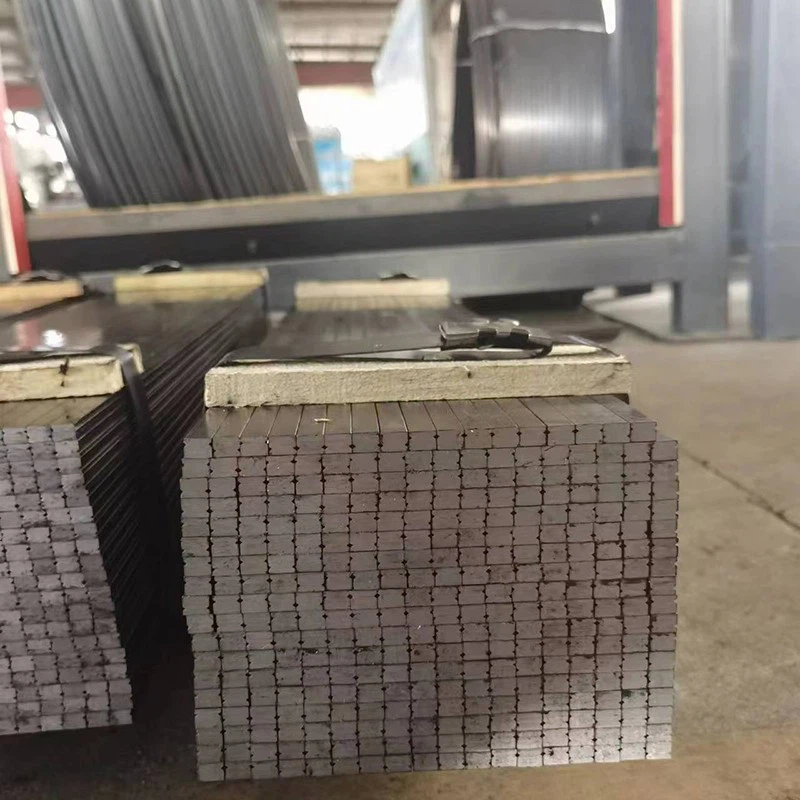
It's also important to consider the accessibility of the storage area. The steel should be easy to move in and out of the storage space to minimize the risk of damage during handling. Additionally, the storage area should be organized to ensure that the steel is stored in a logical and efficient manner. This can help reduce the time and effort required to locate and retrieve specific pieces of steel when needed.
Preparing the Steel for Storage
Before storing the special shaped steel, it's essential to prepare it properly. Start by cleaning the steel to remove any dirt, debris, or contaminants that may be present on the surface. This can be done using a mild detergent and water, followed by a thorough rinse and drying. Avoid using abrasive cleaners or tools that can scratch the surface of the steel.
Once the steel is clean and dry, apply a protective coating to prevent corrosion. There are various types of protective coatings available, including oil-based coatings, wax coatings, and anti-corrosion paints. Choose a coating that is suitable for the type of steel and the storage conditions. Apply the coating evenly to all surfaces of the steel, making sure to cover any exposed edges or joints.
Storing the Steel
When it comes to storing the special shaped steel, there are several methods to consider. The choice of storage method will depend on the shape, size, and quantity of the steel, as well as the available storage space. Here are some common storage methods:
Stacking
Stacking is a simple and efficient way to store special shaped steel. However, it's important to stack the steel properly to prevent deformation and damage. When stacking the steel, make sure to place the heaviest and largest pieces at the bottom of the stack and the lighter and smaller pieces on top. Use spacers or dunnage between the layers of steel to prevent them from rubbing against each other and causing scratches.
It's also important to stack the steel in a stable and secure manner. Avoid stacking the steel too high, as this can increase the risk of the stack toppling over. Use blocking or bracing to secure the stack and prevent it from shifting during storage.
Racking
Racking is another popular method for storing special shaped steel. Racking systems provide a more organized and efficient way to store the steel, as they allow for easy access and retrieval of specific pieces. There are various types of racking systems available, including pallet racks, cantilever racks, and flow racks.
When choosing a racking system, consider the shape, size, and weight of the steel. Make sure the racking system is designed to support the weight of the steel and that it is suitable for the type of storage space available. Additionally, ensure that the racking system is properly installed and maintained to prevent accidents and damage to the steel.
Hanging
For some types of special shaped steel, such as long bars or rods, hanging may be the most practical storage method. Hanging the steel can help prevent damage to the ends and surfaces of the bars or rods, as well as make it easier to access and retrieve the steel.
There are various types of hanging systems available, including overhead racks, wall-mounted racks, and slotted angle racks. When choosing a hanging system, consider the weight and length of the steel, as well as the available storage space. Make sure the hanging system is designed to support the weight of the steel and that it is properly installed and maintained.
Monitoring and Maintenance
Once the special shaped steel is stored, it's important to monitor and maintain the storage conditions regularly. This can help prevent damage to the steel and ensure that it remains in good condition until it is used. Here are some key aspects of monitoring and maintenance:
Temperature and Humidity
Monitor the temperature and humidity levels in the storage area regularly. Ideally, the temperature should be kept between 10°C and 30°C, and the humidity level should be kept below 60%. Use a thermometer and hygrometer to measure the temperature and humidity levels, and take appropriate measures to adjust the conditions if necessary.
Corrosion Inspection
Inspect the steel regularly for signs of corrosion. Look for rust, discoloration, or other signs of damage on the surface of the steel. If corrosion is detected, take immediate action to prevent it from spreading. This may involve cleaning the affected area, applying a new protective coating, or removing the corroded pieces from the storage area.
Handling and Movement
When handling or moving the special shaped steel, take care to prevent damage. Use appropriate lifting equipment and techniques to avoid dropping or scratching the steel. Additionally, make sure the steel is properly secured during transportation to prevent it from shifting or moving.
Conclusion
Proper storage of special shaped steel is essential for maintaining its quality and integrity. By understanding the characteristics of the steel, choosing the right storage location, preparing the steel for storage, selecting the appropriate storage method, and monitoring and maintaining the storage conditions, we can ensure that our products reach our customers in the best possible condition.
If you are interested in purchasing special shaped steel, such as Linear Guide Rail Substrate, HSS Round Bar, or HSS BAR, please feel free to contact us for more information. We are committed to providing high-quality products and excellent customer service.
References
- ASM Handbook Volume 11: Failure Analysis and Prevention. ASM International.
- Steel Storage Guidelines. American Iron and Steel Institute.