

Hey there! As a supplier of Special Steel Sheet, I've been getting a lot of questions lately about how to adjust the hardness of special steel sheets. So, I thought I'd share some insights based on my experience in the industry.
Understanding Special Steel Sheet Hardness
First things first, let's talk about why hardness matters. The hardness of a special steel sheet determines its wear resistance, strength, and machinability. For example, in applications where the steel sheet is subjected to high levels of friction or impact, a harder steel is often preferred. On the other hand, if you need to machine the steel into a specific shape, a slightly softer steel might be more suitable.
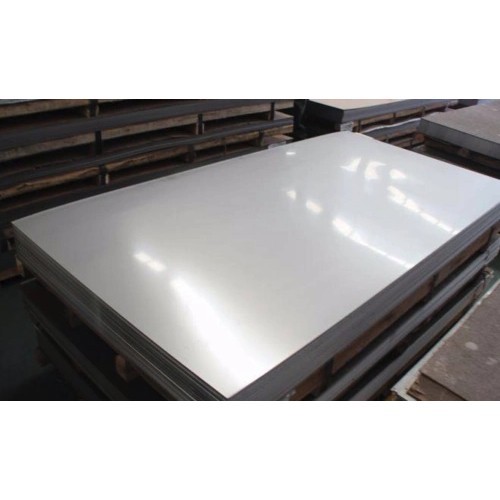

There are several factors that can affect the hardness of special steel sheets, including the chemical composition, heat treatment, and cold working. Let's take a closer look at each of these factors.
Chemical Composition
The chemical composition of a special steel sheet plays a crucial role in determining its hardness. Different alloying elements can have different effects on the steel's properties. For instance, carbon is one of the most important elements for increasing hardness. The higher the carbon content, the harder the steel will be. However, too much carbon can also make the steel brittle.
Other alloying elements such as chromium, nickel, and molybdenum can also enhance the hardness and other properties of the steel. For example, chromium can improve the steel's corrosion resistance and hardenability, while nickel can increase its toughness and ductility.
As a supplier, we offer a wide range of special steel sheets with different chemical compositions to meet the specific needs of our customers. For example, our M2 High Speed Steel Plate is known for its high hardness and excellent wear resistance, making it suitable for applications such as cutting tools and dies.
Heat Treatment
Heat treatment is another important method for adjusting the hardness of special steel sheets. By heating the steel to a specific temperature and then cooling it at a controlled rate, we can change its microstructure and, consequently, its hardness.
There are several types of heat treatment processes, including annealing, quenching, and tempering. Annealing is a process of heating the steel to a high temperature and then slowly cooling it to relieve internal stresses and make the steel softer and more ductile. Quenching, on the other hand, involves heating the steel to a high temperature and then rapidly cooling it in a quenching medium such as water or oil. This process can significantly increase the hardness of the steel but can also make it brittle.
To reduce the brittleness caused by quenching, tempering is often carried out after quenching. Tempering involves heating the quenched steel to a lower temperature and then holding it at that temperature for a certain period of time. This process can improve the steel's toughness while maintaining a certain level of hardness.
It's important to note that the heat treatment process needs to be carefully controlled to ensure the desired hardness and other properties are achieved. As a supplier, we have a team of experienced technicians who can provide professional heat treatment services to our customers.
Cold Working
Cold working is a process of deforming the steel at room temperature to increase its hardness. This can be done through processes such as rolling, drawing, or bending. When the steel is cold worked, its grains are deformed and elongated, which increases the internal stresses in the steel and makes it harder.
However, cold working also has its limitations. As the amount of cold work increases, the steel becomes more brittle and its ductility decreases. Therefore, cold working is usually used in combination with other methods such as heat treatment to achieve the desired hardness and other properties.
Practical Tips for Adjusting Hardness
Now that we've covered the main factors that affect the hardness of special steel sheets, here are some practical tips for adjusting the hardness:
- Choose the right steel grade: Based on your specific application requirements, select a special steel sheet with the appropriate chemical composition. Our team can help you choose the right grade of steel for your needs.
- Optimize the heat treatment process: Work with a professional heat treatment provider to develop a heat treatment process that is tailored to your specific steel grade and application. Make sure to control the heating and cooling rates carefully to achieve the desired hardness and other properties.
- Use cold working appropriately: If cold working is necessary, make sure to limit the amount of cold work to avoid excessive brittleness. Consider using cold working in combination with heat treatment to achieve the best results.
Conclusion
Adjusting the hardness of special steel sheets is a complex process that requires a good understanding of the factors that affect hardness and the appropriate methods for adjustment. By choosing the right steel grade, optimizing the heat treatment process, and using cold working appropriately, you can achieve the desired hardness and other properties for your specific application.
As a supplier of Special Steel Sheet, we are committed to providing our customers with high-quality products and professional technical support. If you have any questions or need further information about adjusting the hardness of special steel sheets, please don't hesitate to contact us. We'd be more than happy to help you with your procurement needs and discuss how our products can meet your specific requirements.
References
- ASM Handbook Volume 4: Heat Treating. ASM International.
- Steel Metallurgy for the Non-Metallurgist. J. D. Verhoeven.


