

Can steel plates be recycled?
As a steel plate supplier, I've often been asked about the recyclability of steel plates. It's a crucial question, not just for environmental reasons but also from an economic perspective. In this blog post, I'll delve into the science behind steel plate recycling, its benefits, and how it fits into our operations as a supplier.
The Science of Steel Plate Recycling
Steel is one of the most recycled materials in the world, and for good reason. Chemically speaking, steel is an alloy mainly composed of iron and carbon, with small amounts of other elements like manganese, silicon, and sulfur. These chemical properties make it highly recyclable.

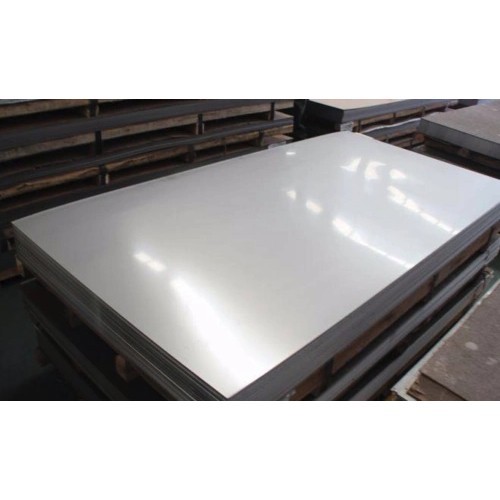
The recycling process of steel plates begins with collection. Steel plates can come from various sources, such as construction sites after a building is demolished, manufacturing plants where scrap metal is generated during production, or end - of - life industrial equipment. Once collected, these steel plates are sorted based on their composition. This is important because different types of steel have different alloying elements, and knowing the exact composition helps in achieving the desired quality of the recycled steel.
After sorting, the steel plates are shredded into smaller pieces. Shredding increases the surface area of the steel, which in turn speeds up the melting process. The shredded steel is then melted in a furnace. Electric arc furnaces (EAFs) are commonly used for recycling steel. These furnaces use an electric arc to generate heat, melting the steel at extremely high temperatures (around 1600°C).
During the melting process, impurities are removed. Oxygen is often blown into the furnace to react with carbon and other unwanted elements, forming gases that can be removed from the molten steel. The molten steel is then refined further. This may involve adding specific alloying elements to achieve the desired properties of the new steel product, such as strength, hardness, or corrosion resistance.
Finally, the refined molten steel is cast into new steel plates or other steel products. The whole process is highly efficient, and the quality of the recycled steel can be comparable to that of newly - produced steel from raw materials.
Benefits of Recycling Steel Plates
Environmental Benefits
- Reduction of Energy Consumption: Producing steel from recycled steel plates requires significantly less energy compared to producing steel from virgin iron ore. Mining and processing iron ore is an energy - intensive process that involves activities like extraction, crushing, and sintering. On the other hand, recycling steel uses about 75% less energy. This reduction in energy consumption helps to lower greenhouse gas emissions, contributing to the fight against climate change.
- Conservation of Natural Resources: By recycling steel plates, we are conserving finite natural resources such as iron ore. Iron ore is a non - renewable resource, and its extraction has a significant environmental impact, including deforestation, soil erosion, and water pollution. Recycling reduces the demand for new iron ore mining, which helps to preserve the environment.
Economic Benefits
- Cost - Effectiveness: Recycling steel plates is often more cost - effective for steel producers. The lower energy requirements and the fact that many of the basic elements of steel are already present in the recycled material mean that producers can save on raw material costs. For consumers, recycled steel products can sometimes be more affordable, making them a more attractive option.
- Job Creation: The steel recycling industry creates jobs at various stages, from collection and sorting to melting and manufacturing. Recycling facilities require workers to operate the machinery, manage the logistics, and conduct quality control. This contributes to local and national economies.
Different Types of Steel Plates and Their Recyclability
As a steel plate supplier, we offer a wide range of steel plates, including M42 High Speed Steel Sheet, High Speed Steel Plate, and Special Steel Sheet.
High - speed steel plates, such as M42, are known for their high hardness, wear resistance, and ability to maintain their cutting edge at high temperatures. They contain alloying elements like tungsten, molybdenum, vanadium, and cobalt. These plates can be recycled, but the recycling process is a bit more complex due to the presence of these non - ferrous alloying elements. Special separation techniques may be required to recover and reuse these valuable elements efficiently.
Special steel sheets, on the other hand, are designed for specific applications and may have unique compositions. While they can also be recycled, understanding their exact composition is crucial for proper recycling. The recycling process needs to be adjusted to ensure that the integrity of the alloying elements is maintained and that the recycled steel meets the required quality standards.
Our Role as a Steel Plate Supplier
At our company, we are committed to promoting sustainable practices in the steel industry. We actively encourage our customers to recycle their used steel plates. We provide information on how to properly recycle steel plates and can assist in connecting our customers with reliable recycling facilities.
We also take steps to ensure that the steel plates we supply are of high - quality and can be easily recycled at the end of their life - cycle. Our quality control measures ensure that the composition of our steel plates is well - defined, which simplifies the recycling process. Additionally, we continuously research and develop new steel products that are more environmentally friendly and easier to recycle.
Encouraging Recycling in the Industry
We believe that the entire steel industry has a responsibility to promote recycling. We collaborate with other steel suppliers, manufacturers, and recycling companies to share best practices and develop more efficient recycling methods. By working together, we can increase the overall recycling rate of steel plates and reduce the environmental impact of the steel industry.
We also support government initiatives and regulations that promote steel recycling. These policies can provide incentives for companies to recycle, such as tax breaks or grants for investing in recycling infrastructure. By creating a more favorable environment for recycling, we can encourage more businesses to participate in the circular economy.
Connect for Steel Plate采购洽谈
If you are in the market for high - quality steel plates, whether for construction, manufacturing, or other applications, we'd love to have a conversation with you. Our team of experts can help you choose the right steel plate for your specific needs, considering factors such as strength, durability, and recyclability. We are committed to providing excellent customer service and ensuring that you get the best value for your investment. So, don't hesitate to reach out and start a discussion about your steel plate requirements.
References
- American Iron and Steel Institute. (Year). Steel Recycling: An Overview. Retrieved from [AISI official website].
- World Steel Association. (Year). Sustainability in the Steel Industry. Report Published by the association.
- Smith, J. (Year). "The Science of Steel Recycling." Journal of Metallurgy and Materials Science, Volume XX, Issue XX.


