

Hey there! As a supplier of HSS blades, I often get asked this question: "Can HSS blades be used for cutting non-ferrous metals?" Well, let's dive right into it and find out.
First off, let's talk a bit about HSS blades. HSS stands for High-Speed Steel. These blades are known for their durability and ability to maintain their cutting edge even at high speeds. They're made from a special type of steel alloy that contains elements like tungsten, molybdenum, chromium, and vanadium. These elements give HSS blades their high hardness, wear resistance, and heat resistance.
Now, onto non-ferrous metals. Non-ferrous metals are metals that don't contain iron. Some common examples include aluminum, copper, brass, and titanium. These metals have different properties compared to ferrous metals like steel and iron. They're often softer, more malleable, and have lower melting points.
So, can HSS blades cut non-ferrous metals? The short answer is yes, they can. HSS blades are versatile and can be used to cut a wide range of materials, including non-ferrous metals. However, there are a few things to keep in mind.
One of the main considerations is the cutting speed. Non-ferrous metals are generally softer than ferrous metals, so you can usually use a higher cutting speed when using HSS blades. This means you can get the job done faster. But be careful not to go too fast, as this can cause the blade to overheat and wear out quickly.
Another important factor is the tooth geometry of the blade. For cutting non-ferrous metals, you'll want a blade with a finer tooth pitch. This helps to prevent the metal from clogging the teeth and ensures a clean, smooth cut. A blade with a positive rake angle can also be beneficial, as it helps to reduce the cutting force and make the cutting process easier.
Let's take a closer look at some specific non-ferrous metals and how HSS blades perform when cutting them.
Aluminum
Aluminum is a very common non-ferrous metal that's used in a wide range of applications, from aerospace to construction. HSS blades can cut aluminum effectively, but you need to be aware of its tendency to stick to the blade. To prevent this, you can use a lubricant or coolant during the cutting process. This helps to reduce friction and heat, and keeps the blade clean.

Copper and Brass
Copper and brass are also popular non-ferrous metals. They're relatively soft and easy to cut with HSS blades. However, they can be prone to chipping if the cutting speed is too high or the blade isn't sharp enough. Make sure to use a sharp blade and adjust the cutting speed according to the thickness of the material.
Titanium
Titanium is a strong and lightweight non-ferrous metal that's often used in the aerospace and medical industries. Cutting titanium with HSS blades can be a bit more challenging compared to other non-ferrous metals. Titanium has a high strength-to-weight ratio and a low thermal conductivity, which means it can generate a lot of heat during the cutting process. You'll need to use a slower cutting speed and a coolant to prevent the blade from overheating.
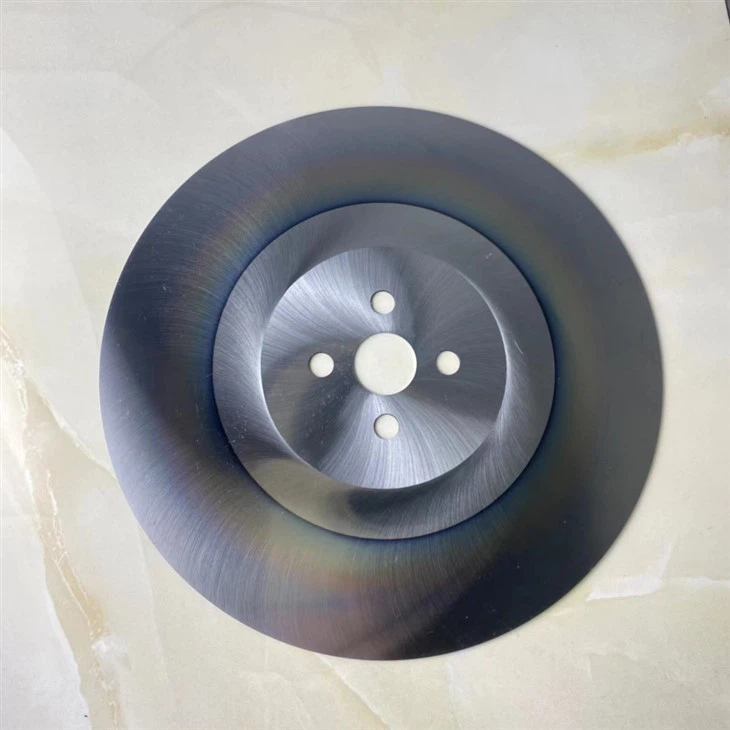
Now, I want to mention some of the HSS blades we offer at our company. We have a great selection of Hss Circular Saw Blades for Metal Cutting. These blades are designed specifically for cutting metals, including non-ferrous metals. They have a high-quality HSS construction and a precision-ground tooth geometry that ensures a clean, accurate cut.
We also have Hss Circular Saw Blade for Metal. This blade is versatile and can be used for a variety of metal cutting applications. It's made from high-speed steel and has a durable coating that resists wear and corrosion.
And of course, our HSS Circular Saw Blades are a popular choice among our customers. They come in different sizes and tooth configurations to suit your specific cutting needs.
In conclusion, HSS blades can definitely be used for cutting non-ferrous metals. They offer a cost-effective and efficient solution for many metal cutting applications. However, it's important to choose the right blade and use the correct cutting parameters to ensure the best results.
If you're in the market for HSS blades for cutting non-ferrous metals, I encourage you to get in touch with us. We'd be happy to help you find the right blade for your needs. Whether you're a professional metalworker or a DIY enthusiast, we have the products and expertise to support you.
References
- "Metal Cutting Handbook" - This comprehensive handbook provides in-depth information on metal cutting processes, including the use of HSS blades.
- "Non-Ferrous Metals: Properties and Applications" - A great resource for understanding the properties and applications of non-ferrous metals.
- Industry research papers on high-speed steel and its use in metal cutting.


