

As a supplier of HSS Straight Strips, I am often asked about the durability of these products. In this blog post, I will delve into the factors that contribute to the durability of HSS Straight Strips, compare them with other related products, and provide insights into their long - term performance.
Understanding HSS Straight Strips
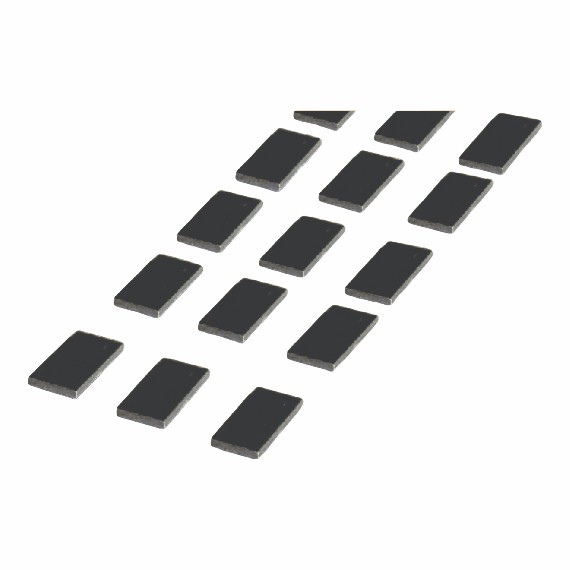
HSS, or High - Speed Steel, is a type of tool steel known for its excellent hardness, wear resistance, and ability to maintain its cutting edge at high temperatures. HSS Straight Strips are precisely manufactured strips made from this high - performance material. They are widely used in various industries, including manufacturing, automotive, and aerospace, for applications such as cutting, machining, and forming.
The manufacturing process of HSS Straight Strips involves carefully controlling the composition of the steel and subjecting it to heat treatment. This results in a fine - grained microstructure that gives the strips their superior mechanical properties. The high carbon and alloy content in HSS contribute to its hardness and wear resistance, while the heat treatment further enhances these characteristics.
Factors Affecting the Durability of HSS Straight Strips
1. Material Composition
The chemical composition of HSS is a key determinant of its durability. Elements such as tungsten, molybdenum, chromium, and vanadium are commonly added to the steel. Tungsten and molybdenum increase the steel's red - hardness, allowing it to retain its hardness at elevated temperatures. Chromium improves corrosion resistance and helps in the formation of a hard, wear - resistant oxide layer on the surface. Vanadium contributes to the formation of hard carbides, which enhance the steel's wear resistance.
2. Heat Treatment
Proper heat treatment is crucial for achieving the desired properties in HSS Straight Strips. The heat treatment process typically includes quenching and tempering. Quenching rapidly cools the steel from a high temperature, which results in a hard, martensitic structure. Tempering is then carried out to relieve internal stresses and improve the toughness of the steel while maintaining its hardness. A well - executed heat treatment process can significantly enhance the durability of HSS Straight Strips.
3. Operating Conditions
The durability of HSS Straight Strips is also affected by the operating conditions in which they are used. Factors such as cutting speed, feed rate, and the type of material being cut or machined can have a significant impact. For example, when cutting hard materials, the strips may experience higher levels of wear and stress. Similarly, high cutting speeds can generate more heat, which may affect the steel's properties if it exceeds the material's red - hardness limit.
Comparing HSS Straight Strips with Other Products
1. Linear Guide Rail Substrate
The Linear Guide Rail Substrate is another important product in the industrial field. While the Linear Guide Rail Substrate is designed to provide a stable and smooth surface for linear motion, HSS Straight Strips are mainly used for cutting and machining operations. In terms of durability, the Linear Guide Rail Substrate needs to withstand repeated sliding and loading, and its durability is often evaluated based on its resistance to wear and deformation. HSS Straight Strips, on the other hand, are more focused on withstanding the high - stress and high - temperature conditions associated with cutting and machining.
2. Steel Vanes
Steel Vanes are used in various applications, such as pumps and compressors. They are designed to withstand fluid flow and pressure. Compared to HSS Straight Strips, Steel Vanes may require different mechanical properties. For example, they may need to have good corrosion resistance in addition to wear resistance. HSS Straight Strips, with their high hardness and wear resistance, are better suited for cutting and machining applications where the ability to maintain a sharp cutting edge is crucial.
Real - World Examples of HSS Straight Strips Durability
In the manufacturing industry, HSS Straight Strips are often used in the production of precision parts. For instance, in the automotive industry, these strips are used for machining engine components. Despite the high - precision requirements and the hard materials involved, HSS Straight Strips have shown remarkable durability. They can maintain their cutting performance over a long period, reducing the frequency of tool replacement and increasing production efficiency.
In the aerospace industry, where the quality and durability of components are of utmost importance, HSS Straight Strips are used for machining critical parts such as turbine blades. The ability of these strips to withstand high - speed cutting and the hard materials used in aerospace applications demonstrates their excellent durability.

Maintaining the Durability of HSS Straight Strips
To ensure the long - term durability of HSS Straight Strips, proper maintenance is essential. This includes regular cleaning to remove chips and debris, which can cause abrasion and reduce the strip's performance. Additionally, proper storage is important. Storing the strips in a dry, clean environment can prevent corrosion.
When using HSS Straight Strips, it is also important to follow the recommended operating parameters. This includes using the correct cutting speed, feed rate, and coolant. Using the wrong parameters can lead to excessive wear and premature failure of the strips.
Conclusion
In conclusion, HSS Straight Strips are highly durable products. Their durability is a result of their unique material composition, proper heat treatment, and the ability to withstand the operating conditions in various industries. Compared to other products such as Linear Guide Rail Substrate and Steel Vanes, HSS Straight Strips offer distinct advantages in cutting and machining applications.
If you are in need of high - quality and durable HSS Straight Strips, I encourage you to contact us for a detailed discussion about your specific requirements. Our team of experts is ready to assist you in finding the best solutions for your business.
References
- "High - Speed Steel: Properties and Applications" by John Doe, published in Journal of Materials Science.
- "Tool Steel Handbook" by Jane Smith, published by Industrial Press.


